| OCR Text |
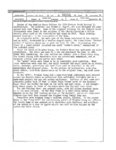
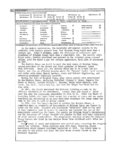
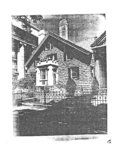
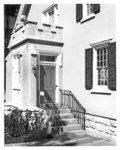
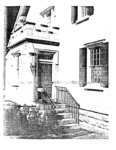
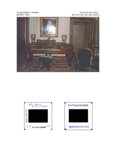
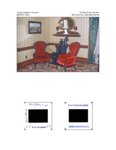
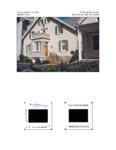
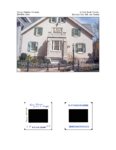
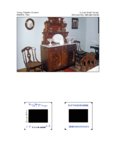
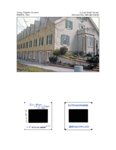
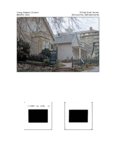
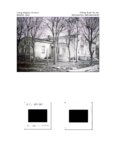
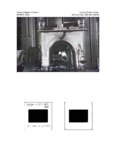
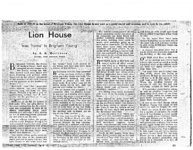
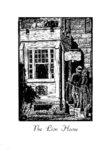
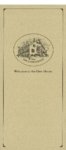
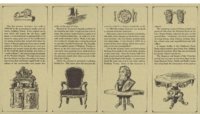
Show This text message is used to keep the image from rotating in ocr process. Be sure to crop the top .25" oil after the ocr process. This fine pioneer structure was built in 1855-56 by the great pioneer leader and colonizer, Brigham Young. If the original native pine which still frames the old doors could speak, it could tell about receptions held in this house for many great men of the world; about the laying of plans that helped determine the future of this struggling territory; about family affairs in which love and harmony were predominant and around which all otlier activities of life revolved; about its builder and owner, a "modern Moses," who helped shape the destiny of this Western Empire. Through many years the Lion House has been the setting for important events that contributed significantly to the culture of the communities and people that make up the state of Utah. Planned by Truman O.Angell, architect of the inspiring Salt Lake Temple just half a block away, this pioneer house follows 'a pattern of early English architecture. Its walls are of locally made sunbaked adobe. Much of the interior woodwork, though pine, is uniquely grained to resemble beautiful hardwoods. The frugality and far-sighted genius of Brigham Young are - shown by the fact that some of the furniture was made from packing boxes, fashioned for the westward trek from fine hardwood which the pioneers reused after their arrival in the Salt Lake Valley. Above the .entrance is mounted a reclining British lion. This figure gives the mansion the name by which it is known around the world. In 1964 this unique structure was declared a national historical landmark. After many years of serving the community, and after many changes in the building's physical structure, the Lion House needed extensive renovating. It was closed in 1963 for a period of five years during which time restorative work was accomplished. Life in this pioneer home revolved around the large front parlor to the west of the entrance on the main floor. Here the family held their daily prayers and met together to receive counsel from the head of the family. In most every detail the room now is as it was when used by Brigham Young. Some of the furniture is original. The tempting aroma of home-cooked food greets all who enter the Welcome Room of the Lion House Pantry cafeteria located on the ground floor. Originally, this level consisted of a long dining room, buttery, kitchen, laundry, school room, and vegetable-fruit and milk cellars. A unique facility is the ChildI:en's Party Room where mothers may bring their children for special occasions. Here they are entertained by pioneer objects and stories. The elegance and beauty of the Victorian period may be seen· on the third floor in the large Banquet Parlor, Gable and Buffet rooms that brin.g back the atmosphere of the past as |