| OCR Text |
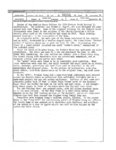
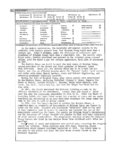
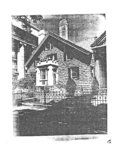
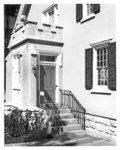
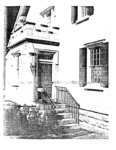
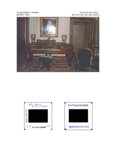
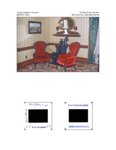
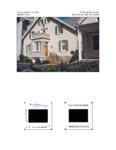
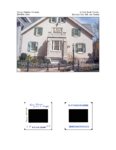
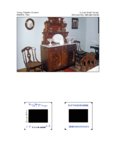
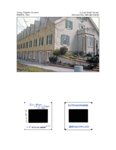
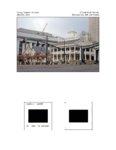
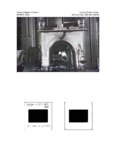
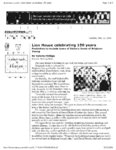
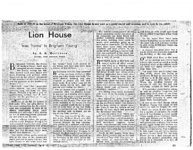
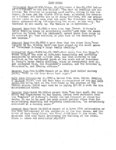
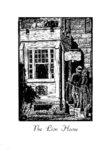
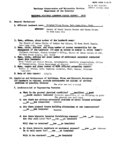
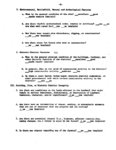
Show THE LION HOUSE History The Lion House has often been called the "Mount Vernon of the West." Within its walls and partitions, fashioned from native sunbaked adobe, Brigham Young, who more than any other man shaped the destiny of this Western Empire, lived and died. If the origin~l native pine which still frames the doors could speak, It could tell about receptions held in this house for many great men of the world - ~ould tel~ about t?e layi~g of plans which shaped the destmy of thIS strugglmg ~erntory isolated in the desert wastes - could tell about thIS home in which love and harmony were predominant and around which all other activities of life revolved - could tell about its owner a "modern Moses" who believed in the soil and in the 'good of all men. For during these many years the Lion House. '.. bui!t in 1855-56 as the hO?Ie of Brigham Young and hIS family ... ?as been the settmg for many important events that contnbuted much to the communities and people which now make up the State of Utah. Planned by Truman O. Angel, the architect of the inspiring Salt Lake Temple just half a block away, it follows a pattern of an early English architecture. Above its entrance is mounted a reclining British lion. This figure, designed and placed above the door by the builder, gives the mansion its name, which is known around the world. As we follow the thousands who have previously stepped through the entrance .onto the second floor we enter a long hall extending through the center of the building. This hall is duplicated on all three floors. The first floor originally consisted of the dining room, buttery, kitchen, laundry, school room, weaving room and cellar rooms home. the second floor, of the parlor and several living . the third floor, of the sleeping rooms of the Life in the pioneer home revolved around the parlor . . the large room on · the second floor opening off the hall to the left as you enter. Here the families held their daily prayers, and met together to receive counsel .and advice from the head of the family. You were receIVed today in this historic room, an accurate replica in every detail of the room that was used by Brigham Young, with all the furniture an exact copy of the original. The third or top floor was orginally divided into 20 rooms - about 12 feet by 16 feet in size - each under a gable roof plainly seen from the outside of the building. These se~ed as bedrooms for the large family. But not all of Brigham Young's family lived in this house. N~ver more than 12 wives lived in the Lion House at one tIme. But they did live together in peace. ~nd harr;nony, ?eca.use they were motivated by a deep relIgIOUS belIef whIch mcluded the practice of plural marriage. This was practiced in Utah . . . then called Deseret . . . from 1847 to 1890. Those who were permitted to live it numbered about 3% of the male population. I t was abolished as a pr~ctice within the church in 1890 and has never been sanctIOned since that time. The Lion House is at present managed by the Young Women's Mutual Improvement Association, an auxiliary of the Church of Jesus Christ of Latter-day Saints. This association was founded in the Lion House by President Brigham Young. He called his daughters together in the front parlor on November 28, 1869 and said : "I have long had it in my mind to organize the young ladies of Zion into an association so that they might assist the older members of the Church, the fathers and mothers, in propagating, teaching, and practising the principles I |