| OCR Text |
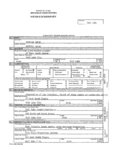
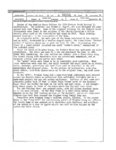
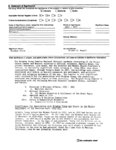
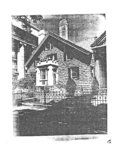
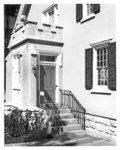
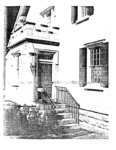
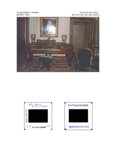
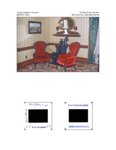
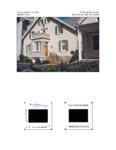
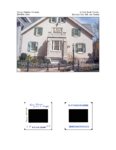
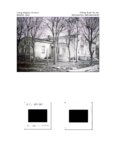
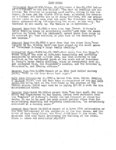
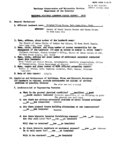
Show Cenlfylng official haa conaidered the aignlficance of this propeny In relatiOn to other propenies: ~ nationally Applicable NatiOnal Register Criteria [!] A [!] B Criteria Considerations (Exceptions) 0 A 0 B 0 atat.wlde 0 cOO 0 cOO 0 Areaa of Significance (enter categories from instructions) Exploration/Settlement Politics/Government 0 E locally 0 FOG Period of Significance 1852 - 1877 Significant Dates Cultural Affiliation ArchltectlBuilder Significant Person Brigham Young Truman o. Ange 11 State significance of propeny, and justify criteria, criteria considerations, and areas and periods of significance noted above. The Brigham Young Complex National Historic Landmark consisting of the Mormon Church leader and Western colonizer's official residence, Beehive House, his private residence, Lion House, and the Governor and Mormon Church President's Offices, is nationally significant under criteria A. From 1852, when their construction began, through Young's death in 1877, the buildings were closely associated with events in Western expansion and settlement, and political, social and religious movements of the era. The Complex is also significant under criteria B for its association with Brigham Young, the predominant poli tical and religious figure in Utah territory. The Brigham Young Complex is associated with the follOWing National Historic Landmark themes, subthemes and facets: v. X. XXX. XXXI. Political & Military Affairs, 1783 - 1860 A. Manifest Destiny Wes tward Expansion D. (5) Mormon Migration & Settlement of the Great Basin American Ways of Life E. Ethnic & Religious Communities Social & Humanitarian Movements A. Communitarianism & Utopianism Significance for Association with Brigham Young and Events in the Mormon Settlement of the American West, 1852-1877 Brigham Young joined the Mormon Church in 1832, and by 1835 had become one of Joseph Smith's Twelve Apostles. At the time that the Mormons were driven out of Missouri in 1838-1839, Young was the senior member of the Quorum of Church leaders. In 1844 Smith's murder led to his dramatic and successful bid for Church leadership. In the face of mob pressure, Young led the Mormons out of Nauvoo, Illinois, early in 1846. In 1847 he conducted a pioneer company to the Rocky Mountains and returned the following year with almost a thousand of his followers to the site he had selected, Great Salt Lake City in Mexican Territory; soon he was joined by thousands more. [!] See continuation Iheet |