| OCR Text |
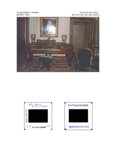
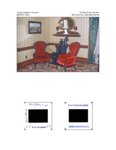
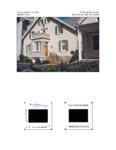
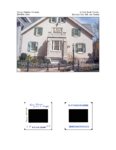
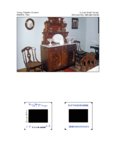
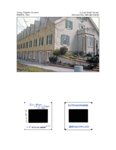
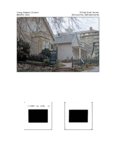
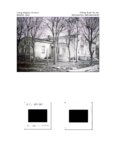
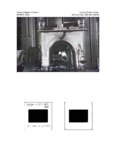
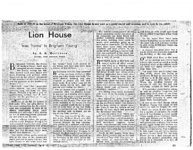
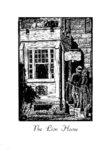
Show United Stat.. Department of the Intertor National Park Service National Register of Historic Places Continuation Sheet Section number ~7_ _ Page_6_ _ For the original interior Angell "experimented wi th a grand symmetrical plan," as Anderson describes it, "including a semicircular staircase. The details for this house, developed over the next two years'10ncluded carved mantlepieces and a handsome observatory topped with a beehive." Prior to the 1888 remodeling, the interior was a double-pile, central-haIl-plan structure for the main portion, with a large parlor at the right of the entrance and Youngts private room and office to the left. The original second story contained family bedrooms (the number is unknown) and Brigham Young's large summer bedroom with high vaulted ceiling. Interior woodwork throughout was pine painted to imitate oak, with Greek Revival carved window and door moldings. Interior plaster in the hallways was "marbleized" by painting it to resemble marble. This was a method of making frontier housing appear more sophisticated. The original north wing constructed by Brigham Young was transformed by his son into a 2-story family wing with more elaborate dining and kitchen areas, a sewing room, and other family utility rooms on the main floor and numerous bed and sitting rooms on the second. John Young also remodeled the interior throughout the addition and main house, adding carved pine and oak paneling, woodwork, balustrades, and newel posts that replaced the simple pine trim, giving the house a High Victorian character. The main entrance was moved to the east and enhanced by a heavy oak door. The staircase which leads from the 1888 main hall to the second-floor bedrooms is also carved oak. The large number of bedrooms (17) shown in the 1934 Historic American Buildings Survey drawings reflects the conversion of the house to a boarding home for young Mormon women in 1920. A major restoration of the Beehive House was undertaken in 1959 by an LOS Church restoration committee. The committee tried to retain both the character of the 1855 house and the Victorian additions made by John Young. Victorian elements now predominate, however, both in the highly ornate, red-velveted furnishings and the gold gilt cornices over windows in the front rooms and in the rear wing. Debate continues among LDS Church historians as to the authenticity of some aspects of the restoration and how much the house still reflects the lifestyle of the original Brigham Young family. However, it appears that sufficient architectural integrity still exists from the Brigham Young period in the first-floor front private office and parlor and secondfloor front bedrooms that the interior contributes to the overall integrity of the complex. Lion House At the west end of the complex, adjacent to the Governor's Office, is the Lion House, begun in the spring of 1853 but not completed until 1856. It was named for the carved stone lion couchant over the entry vestry. The Lion House is a 2-1/2-story. rectangular building with dimensions of approximately 45 feet by |