| OCR Text |
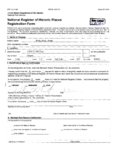
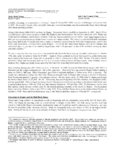
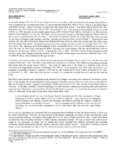
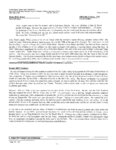
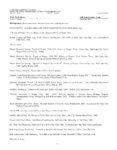
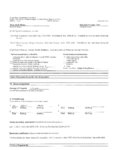
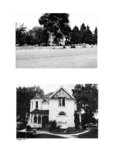
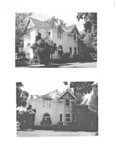
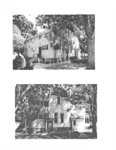
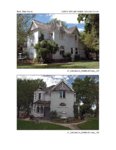
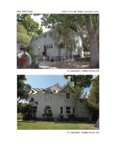
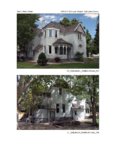
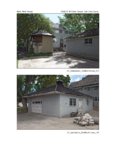
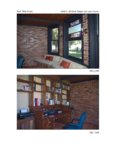
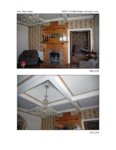
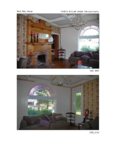
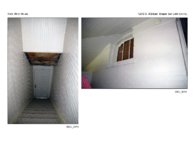
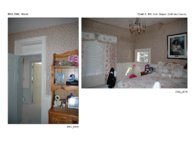
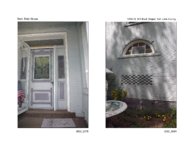
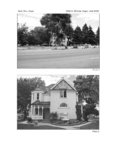
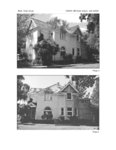
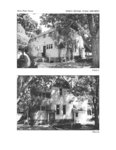
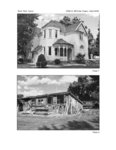
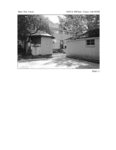
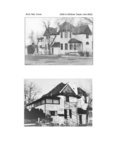
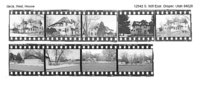
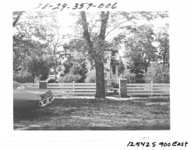
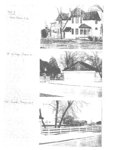
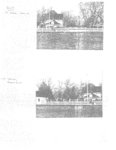
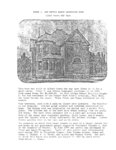
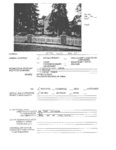
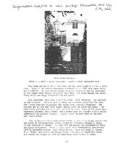
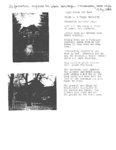
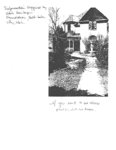
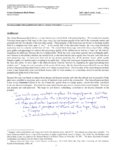
Show Department of Community and Economic Development Division Qf State History Utah State Historical Society Michael O. Leavitt Governor MaxJ. Evans Director 300 Rio Grande Salt Lake City. Utah 84101 -1182 (80 1) 533-3500 FMC: 533-3503 TDD : 533-3502 ushs@hi story.state.ut.us http://history .utah .org May 10, 1999 Bill Moedl 12165 South Bluff View Drive Sandy, UT 84092 571-4708 RE: State Historic Preservation Tax Credit Dear Mr. Moedl: We have reviewed the information in our files for the house at 12542 South 900 East, Draper. While it is not currently listed in the National Register of Historic Places, a 1993 inventory of historic buildings in Draper shows this building met basic National Register age and integrity requirements; historic or architectural signi)icance must still be investigated, documented and justified. See the enclosed information sheet on the National Register and How to Research Your House for instructions on researching your property. Please be aware while your building may be a handsome historic structure, it can be very difficult to individually nominate many buildings to the National Register (e.g., if there are other good examples of the architectural style or building type in your community or if the building's history is lacking the necessary association with significant individuals or events.) It may be difficult to list this house individually so therefore a Multiple Property Nomination in Draper, of which this house could be a "contributing" building and therefore listed on the National Register, might be the best route to go. You should contact Katie Shell of Draper, 801-856-9693, to pursue this. You should also coordinate your research, documentation and nomination effort with Cory Jensen, the architectural historian in our office (801/533-3559 or cjensen@history.state.ut.us). Enclosed is an information fact sheet for the state historic preservation tax credit. If the applicable requirements are met, it provides for a credit equal to 20 percent of qualified rehabilitation expenditures against your state income tax. To qualify for the state historic tax credit (for residential-use buildings only), all proposed or on-going work be approved by our office as meeting the Secretary of the Interior's Standards for Rehabilitation before the project is completed. Also, a minimum of $10,000 must be spent on the rehabilitation over a maximum period of 36 months. There is no fee to apply for this tax credit. This application is separate from any review or application that may be required by a local preservation commission or the Utah Heritage Foundation. The building must be listed in the National Register before the credit can be claimed. If you are interested in the state tax credit, you are strongly encouraged to apply as soon as possible to verify if anyon-going work meets the Secretary of the Interior's Standards for Rehabilitation. Once work is underway, changes Preserving and Sharing Utah 's Past for the Present and Future |