| OCR Text |
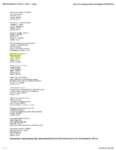
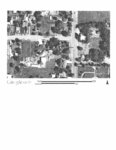
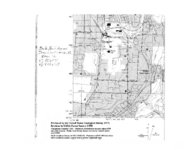
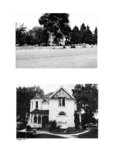
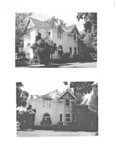
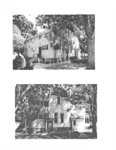
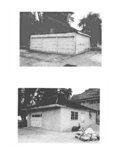
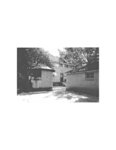
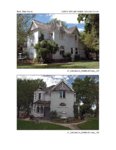
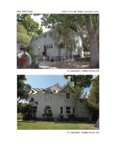
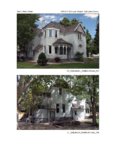
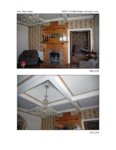
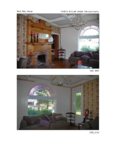
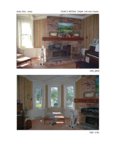
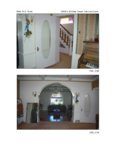
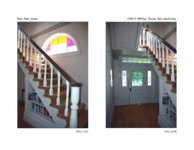
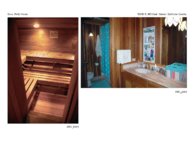
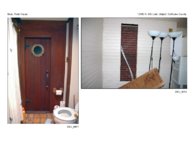
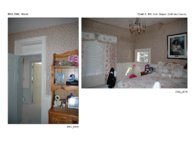
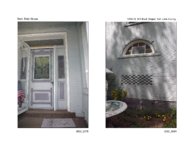
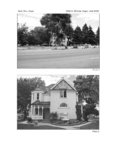
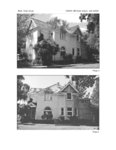
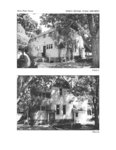
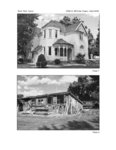
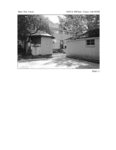
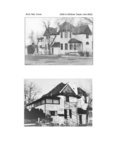
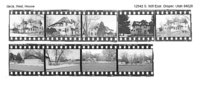
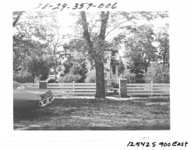
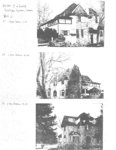
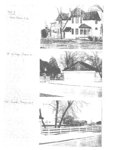
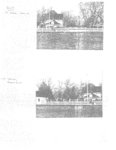
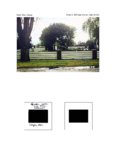
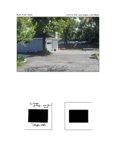
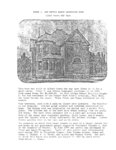
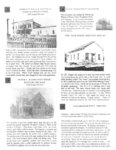
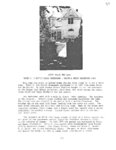
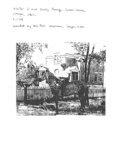
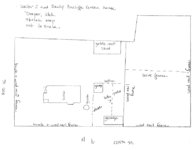
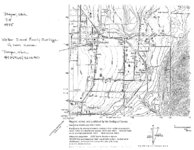
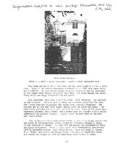
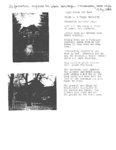
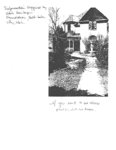
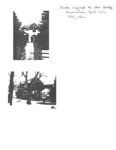
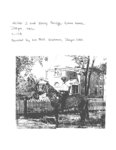
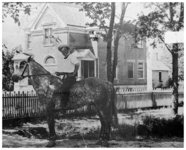
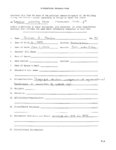
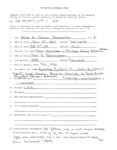
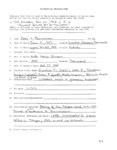
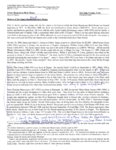
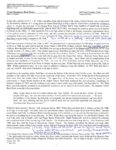
Show RIDEOUT HALL & GENERAL MERCHANDISE STORE 12500 South 900 East D.U.P. MONUMENT MARKER The monument was erected in 1940 by the Ebenezer Brown Camp, Daughters of the Utah Pioneers. It was in commemoration of the "Old White Meeting House of which the north wall stood near this site located in the old Draper Fort. The granite block in this monument was the south step of the old church. THE "OLD WHITE MEETING HOUSE" Built in 1883, the ground floor was general merchandise, shoes, clothing, toys, dishes, notions, groceries, candy and crackers in barrels' the second floor was for dances and theatrical performances. 'The lighting was coal-oil lamps hanging from the ceiling. The entire enterprise was so successful a frame addition was added on the north side and a new hardwood floor was laid over the original floor. The dances at Rideout Hall became famous throughout Salt Lake County. It was used until 1916 when the Round House was built. People tied their horses to two locust trees in front of the store. Inside the store a kerosene pump was by the front door. When "Josh" Riding sold, the new owner removed the second story and changed the store into apartments. PETER C. RASMUSSEN HOME! DeVEARL DECKER 12542 South 900 East By 1861 Draper had outgrown its first one-room school which was located along the north wall of the Draper Fort. A small adobe building ~alled "The Vestry" was erected within the fort. In 1863 a main hall, known as the "Old White Meeting House", was added to the Vestry, which served the people of Draper for all public gatherings. This 18 x 20 ft. building had a large door in one end. The seats without backs were rough slabs with four legs. Under long narrow windows were writing desks for boys on one side and girls on the other. In this "White Meeting House" Dr. John R. Park began his career as an educator in Utah in his famous "Village School". Within 20 years, the community outgrew the "Old White Meeting House". OLD DRAPER FORT 1854-1859 Boundary: Approximate 950 East (Fort Street) extending north of 12600 South and south of 12650 South. This property is part of a larger parcel that was given by the government patent signed by President Ulysses S. Grant to the townsite of Draper. This home, built before 1902, has 4 bedrooms, each with a walk-in closet. The banister is original and stained glass windows and transoms beautified the home. The dining room was originally the parlor with a marble fireplace. The kitchen was at the west with steps leading from the north & south. The front entrance led to a hall and sitting room. West of the home were vegetable gardens, fruit trees and a shanty used for laundry with a cellar underneath for produce storage. Curved flower gardens were on the east and north sides. When Indian troubles broke out in 1853-54, a fort enclosing a few acres of ground was built. The ground was part of Ebenezer Brown's homestead of 160 acres. He donated the land as a protection against the Indians. It covered an area of 35 rods long from north to south and 23 rods from east to west. A wall one foot thick and eight feet high was built. In 1855 a wall 14 feet high and nearly three feet thick at the bottom was started, but was never completed. Gate posts were set up, but were never hung. Nearly all the settlers moved into the fort and spent the winters of 1854 through 1856 within its walls. In the latter part of 1854, a post office was established in the fort. In the spring of 1855, most of the people who had spent the winter |