| OCR Text |
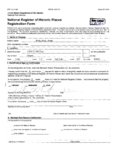
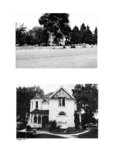
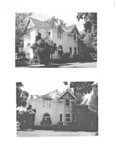
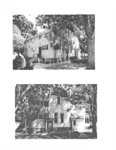
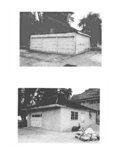
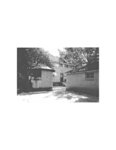
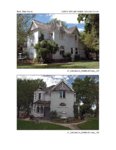
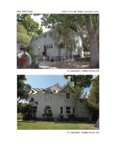
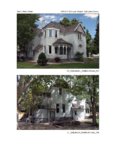
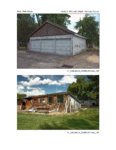
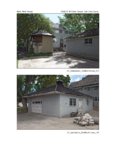
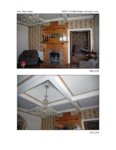
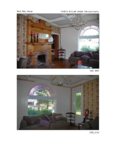
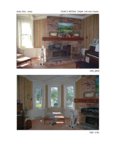
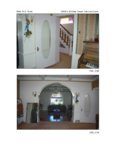
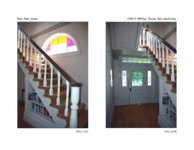
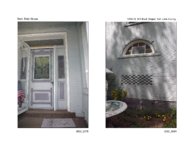
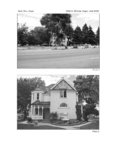
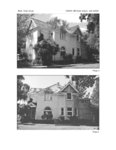
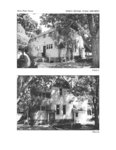
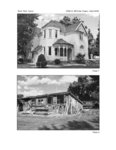
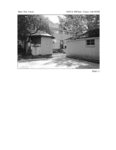
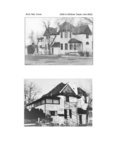
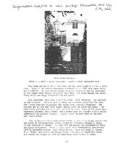
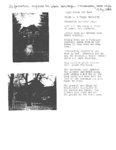
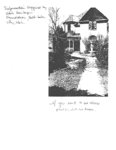
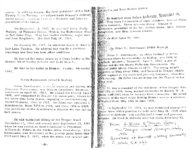
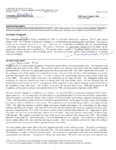
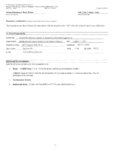
Show United States Department of the Interior National Park Service I National Register of Historic Places Registration Form NPS Form 10-900 (Expires 5/31 /2012) OMB No. 1024-0018 Green-Rasmussen-Beck House Salt Lake County, Utah Name of Property County and State Developmental history/additional historic context information (if appropriate) Architecture The Green-Rasmussen-Beck House is a type known as a central block with projecting bays. The second most popular Victorian house type in Utah (next to the cross wing), this type became popular at the end of the nineteenth century and generally into the first decade of the twentieth century. The popularity of the house type can be seen in the large number built in a comparatively short span of time. 14 In the second half of the nineteenth century, the cross wing introduced asymmetry into the domestic architecture of Utah. The central block house type carried the idea a step further, adding more gables and appendages to enhance the picturesque quality of the architecture as well as to "open up" the interior. Sometimes the difference between the two is indiscernible. While the cross wing house typically has a rectangular gableroof structure as the primary element, the central block, as the name implies, has a square, box-like main core with one or more projecting bays. In most cases there will be one primary projecting bay off the primary facade, which usually features a gable roof and decorative shingling in the gable trim. Along with creating an irregular massing of the structure, the bays also allow for more light in the often-cloistered Victorian interiors by expanding the space and adding more window area. IS Large two-story examples of the central-block house, like the Green-Rasmussen-Beck House, are likely to have a bay project diagonally from a corner or to feature a conical turret. The floor plan of the Green-Rasmussen-Beck House is less formal than most central-block houses with the main entrance on a secondary elevation and the staircase perpendicular ~ the front of the house. -to Because this type was based on pattern-book designs and became popular well after the railroad was introduced to Utah, plans were available to everyone, and a variety of materials were used in the construction. The Green-Rasmussen-Beck House is very -Vietsriftrt Eclectic in the use of materials: granite from the temple quarry, smooth face brick, rock-faced brick, and decorative shingles. The house has many intact features such as the staircase and colored art glass. The house and property are well-preserved . The large lot and historic outbuildings contribute to the historic character of the property. _~~ ~ ~ ~~.e+t' +ru ;-\-c1~l~' ~C< · a»~ ~ ~ tA J:v, ~ ~ ~1? ~f ~ 13 ~F- \.>'-'* 47 Wl tkl I o~ ~ ~L~~ ~ ~J~lC~~ ~ ~~_ ~ ~ J ~~ v.)( ~~.{""~ 0-\ ~ 1jre J ~ \</' \&t ?\1.,*-<,c-~.Jik, ';'~~I ~t ,t CVl - \ "'<-'(q -;> J 14 Roughly 3,000 central-block-type houses are listed in the database at the Utah SHPO. The majority are single-story examples. The Green-Rasmussen-Beck House is one of five two-story or higher central block houses in Draper. One of the five , the Benjamin and Olivia Meek House, was listed on the National Register of Historic Places on November 29, 2001 . The above discussion of centralblock houses was adapted from the Meek House nomination. 15 Thomas Carter and Peter Goss, Utah's Historic Architecture, 1847-1940, (Salt Lake City, Utah: University of Utah Graduate School of Architecture, 1988): 44. 10 |