| OCR Text |
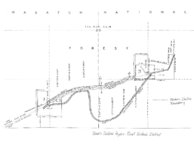
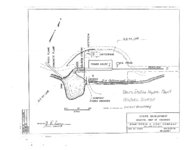
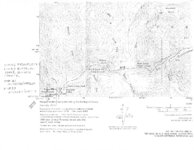
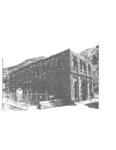
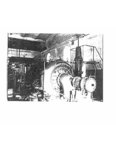
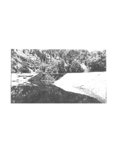
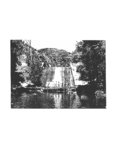
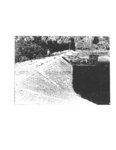
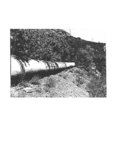
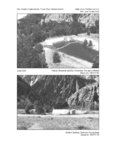
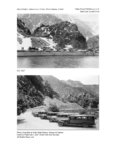
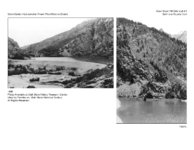
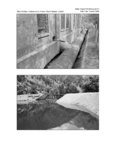
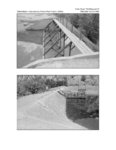
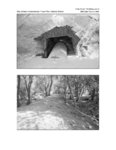
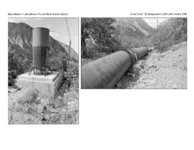
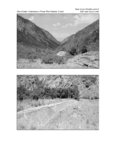
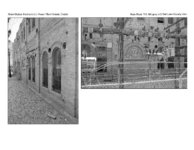
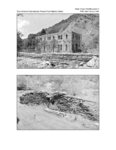
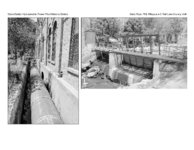
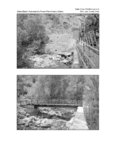
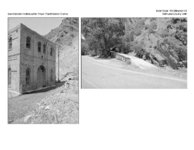
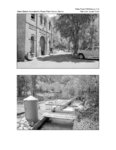
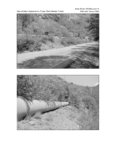
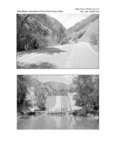
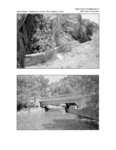
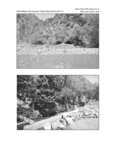
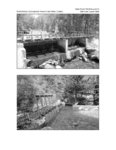
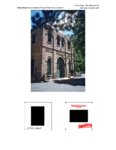
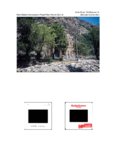
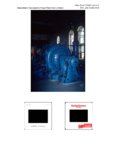
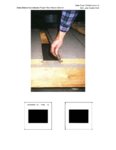
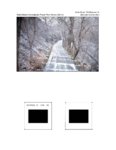
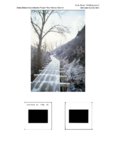
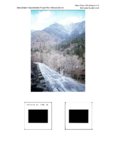
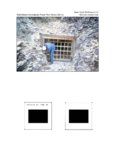
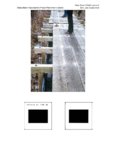
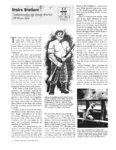
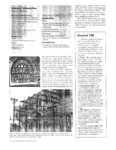
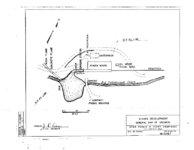
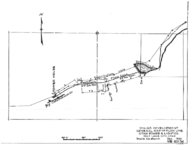
Show 'r-* 'm ~ ' " ·:·i;... !~~ . I :. HYDRO I>. :.'~'~ Hall of Fame he Stairs Station southeast of Salt Lake City, Utah , turning 100 years old in 1995, can be discussed only in connection with the Granite Station , 2 miles down stream. (Granite turns 100 in 1996.) In the early day s, the two facilitie s were intense competitors. In 1895, when Stairs was completed, Utah still was one year away from statehood. The hydroelectric industry in the territory was in its infancy, with some 60 companies operating small, isolated hydro plants scattered throughout sparsely populated mountain canyons. The vast majority of the plants were built to serve a specific, local need : a mine, a mill, a small town. In the case of Stairs, its electricity was fed three miles into downtown Salt Lake City to the ( electric trolley system. The contract to serve the city was the reason for the early tensions between the two small companies building Stairs and Granite. R.M. Jones, a Salt Lake City civil engineer and inventor, studied the hydropower possibilities of Big Cottonwood River and its canyon, and in 1893 applied to city officials for a franchise. He named his company Utah Power, and began construction of: a diversion dam a mile above the Stairs site; a flume down the mountain; and the Stairs facility itself. Another group of men, all with financial interests in the city's street car system, began construction of another power plant (Granite) near the mouth of the canyon . One of the men , Frank H. Gillespie, claimed prior rights on the river, and vehemently protested the activities of Utah Power. After Stairs was completed and producing electricity, Gillespie and his men tried a late-night gamble to hun), Granite into production. During that night, they constructed a flume over the dam at the Stairs plant, planning to draw water from T 1\., 20 HYDRO REVIEW / OCTOBER 1995 hands of the company's ... determined men. While the work was being carried on, Mr. Armstrong and one of his assistants stood by fondling double-barreled shotguns." Based on legends from the era, other acts of late night sabotage occurred, leading both factions to post armed guards each night. It is not known how peace, or co-existence, was achieved between the two groups, but it was. Granite went on line in 1896, using water that flowed through a flume which began at the Stairs powerhouse tailrace. The system of small, isolated hydroelectric plants serving specific needs lasted only another decade or two . Each had a limited market, which could disappear if a mine played out or a mill burned, and equally limited power supplies and capital. In 1912, Utah Power & Light Co.-now a subsidiary of PacifiCorp-was formed , and gradually bought out the small plants. It built bigger, more modern plants and created one integrated grid. It is the current owner of both the Stairs and Granite hydro stations . Dave Graham , hydro foreman for PacifiCorp, said Stairs and Granite can operate independently of one another, but form a coordinated unit in sharing water from the Big Cottonwood River. Electric power from both plants is transmitted to the Butlerville Substation at the base of the canyon. This substation supplies power to the Brighton Ski Resort 12 miles up the canyon. When Intense competition existed between small power companies in the 1890s. During construction of the Stairs and Granite hydropower stations near Salt Lake City, Utah, such competition erupted in late-night sabotage. The companies hired guards armed with shotguns to protect their property. the pool to turn the turbine at Granite. According to an article in the February 4, 1896, edition of The Salt Lake Tribune, the flume disappeared the next night at the hands of a Utah Power crew led by a man named Francis Armstrong. The story reported: "Mr. Gillespie's men were completel y rou ted and a flume which they had constructed over the Utah Power company' s dam during the prec eding night was demolished and destroyed by sledges and axes in the This open wooden flume connects PacifiCorp's Stairs and Granite hydroelectric plants in Big Cottonwood Canyon southeast of Salt Lake City, Utah. UP&L employee Bill Lindsay caulks the wood in this circa 1955 picture. |