| OCR Text |
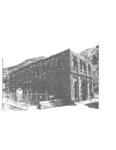
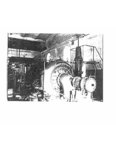
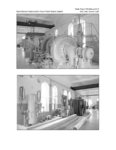
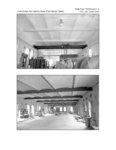
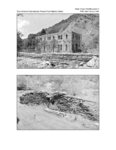
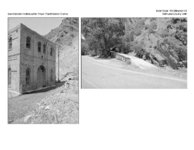
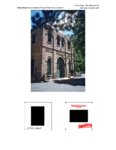
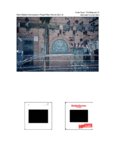
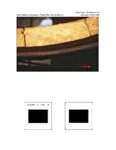
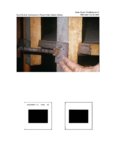
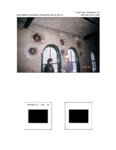
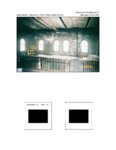
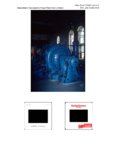
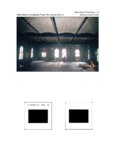
Show OMB No. 1024-0018 NPS Form 10-900a (Rev. 8-86) Utah Word Processor Format (02741) Approved 10/87 United states Department of the Interior National Park Service NATIONAL REGISTER OF HISTORIC PLACES CONTINUATION SHEET section number 7 Page 4 stairs station Hydroelectric Power Plant Historic District, Salt Lake City, Salt Lake County, Utah to the original has been added and new bricks have replaced bricks. As the new brick is harder and darker in color, it is noticable, especially in the southeast corner. These alterations , however, do not overwhelm the building's original architectural st y le. det~riorating The interior of the Stairs powerhou s e retain s a level of integr i t y roughly compatible with its e xterior, although some changes ha ve been made over th e years. The ground floor of Stai r s powerhouse is the location of all generating equipment. Originally, the plant included four Pelton wheels attached to generators. These now have been replaced by one turbine-generator un i t made up of a Francis reaction-type turbine (built by S. Morgan Smith ) atta c hed to a We s t i ng house 2 ,300 volt a.c. generator, with field s upplied by a General Ele c tr i c 125 volt d. c . e xc iter. The unit ha s a capac i t y of a bou t 1 . 2 megawatts. The turb i ne o pera te s on a head of about 35 7 feet. Transmission equipment at Stairs i s now mostl y outside the powerhouse. The ground floor of the building , however , s til l i ncludes a massi ve, air-cooled Westinghouse ste p-up t r ansf o rmer. The air c ooling equipment, including a fan , is still in place. Othe r equ i pment at the ground-flo o r le vel o f St ai rs Station i ncludes a modern switchboard, a sound-proof office, batteries, and an original 10-ton o verhead tra veling c rane, probably bu i lt by the Sil ver Brot he r s of Salt Lake Ci ty (see the Hardesty article listed in the bibliography). The second floor of the Stairs powerhouse is largely empty. This space originally housed transformers, bus bars, and switching equipment. The second floor is now used for storage of odd materials and tools. A few small machines, such as a drill press, are also still in place. Toward the west end of the second floor there is a wood balustrade with a small opening to allow passage. The purpose of this balustrade i s unknown. Between the balustrade and the west wall there is a rectangular opening in the f l oor which allows ventilation for the ground floor and which is used to hoist materials "between floors. Other than the features mentioned here the second floor is empty. The ceilings over the first and second floors of the Stairs powerhouse feature a design similar to the ceiling of the Grani t e |