| OCR Text |
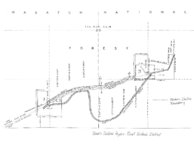
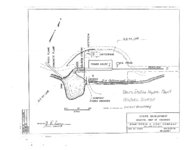
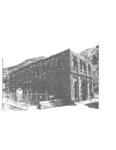
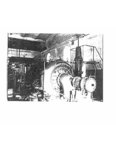
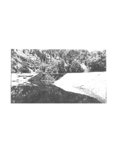
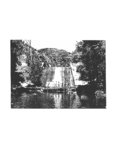
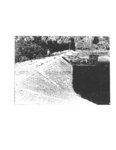
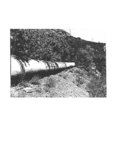
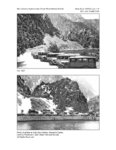
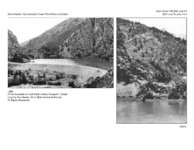
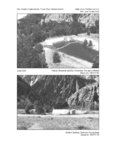
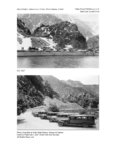
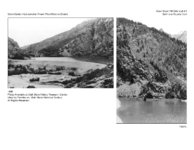
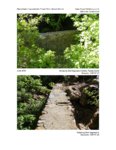
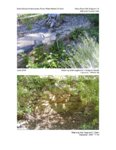
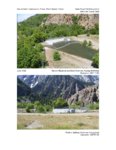
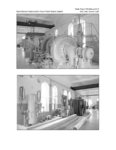
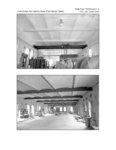
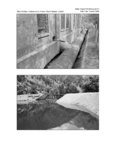
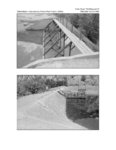
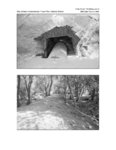
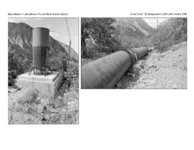
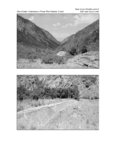
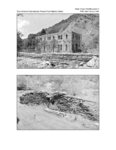
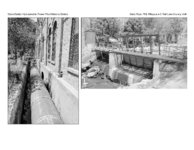
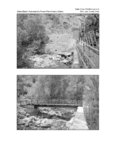
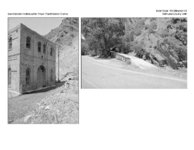
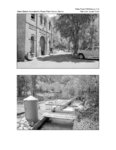
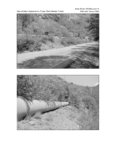
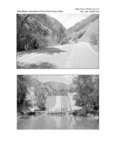
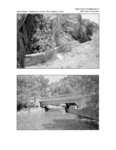
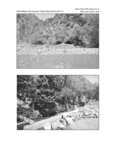
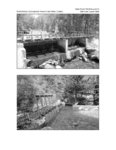
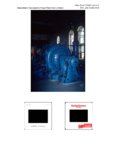
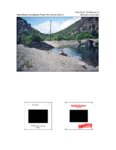
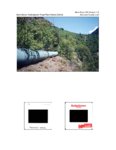
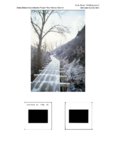
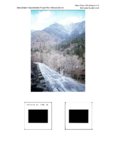
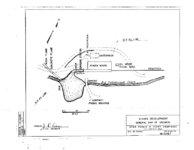
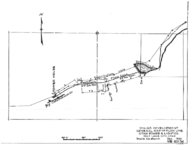
Show promising location to place multiple hydroelectric turbines. Jones formed the Big Cottonwood Power Company in 1893 and, after working through several difficulties, fmished construction of the Stairs Station Hydroelectric Power Plant in 1896. When completed, the Stairs facility included a powerhouse, switchyard, pipeline, standpipe, penstock, and several ancillary structures. A dam-known as the Storm Mountain Dam-and reservoir were also part of the original Stairs facility and both were located about one-half mile upstream from the powerhouse. The original Storm Mountain Dam was replaced in 1921 with a newer dam, and in the mid-1950s, the dam was retired and the reservoir was filled in (Fiege and Ore 1988). Beginning in 1896, the Big Cottonwood Power Company began selling electricity to the Salt Lake and Ogden Gas and Electric Light Company. Construction of a 10,000 volt transmission line to deliver the electricity began in the same year. The Stairs plant was the first hydroelectric plant to supply Salt Lake City with electricity and the transmission line was the first in Utah to use alternating current over a long distance. In 1896-1897, Utah Power Company's Granite Hydroelectric Power Plant was also built in the mouth of Big Cottonwood Canyon. Both plants used Big Cottonwood Creek to produce hydroelectricity that would be distributed throughout the valley (Flodine 2000:18-19). By 1897, the Big Cottonwood Power Company had merged, along with several other local firms, into the Union Light and Power Company. After a series of additional mergers and reorganizations, the Stairs and Granite plants came under the ownership of the Utah Power and Light Company in 1915 (Fiege and Ore 1988); both plants are now operated by Utah Power and Light's successor, Rocky Mountain Power. The dam was originally constructed in 1895 and then altered in 1921 (Fiege and Ore 1988). The dam diverted water from Big Cottonwood Creek to the penstock, which controlled the supply of water to the hydroelectric plant. The original 1895 reservoir was a curved, earth fill-structure located immediately adjacent to the later, 1921 configuration (Fiege and Ore 1988). A bedrock spillway was located at the east end of the dam. The 1921 alteration of the dam and reservoir included the addition of a cobble and masonry wall that enclosed the reservoir and extended along the creek banks to a point immediately east of the bridge. During the early 1900s, the reservoir and surrounding area was a popular location for swimming and picnicking. In the late 1940s/early 1950s, swimming in the reservoir and picnicking in the surrounding area upstream led to contamination of the water in the reservoir and Big Cottonwood Creek and, as Big Cottonwood Creek was a critical water source for the valley, Salt Lake County filled in the reservoir circa 1950 to prevent further contamination. Utah Power and Light abandoned the dam after the reservoir was filled in and the dam is now inactive (Eve Davies, personal communication, June 4, 2009). By the early 1930s, Utah was hard-hit by the depression and unemployment levels were high. In late 1933, the government began aid efforts as part of President Roosevelt's New Deal. In addition to social welfare programs, several work relief programs were implemented, most notably the Works Progress Administration and Civilian Conservation Corps (CCC). The goal of these programs was to provide work for the unemployed and stimulate the country's economy. In eastern Salt Lake County, the CCC proved particularly successful. CCC projects included building roads, bridges, reservoirs, and campgrounds; conducting revegetation, erosion control, and rangeland rehabilitation projects; and fighting forest fires. Twenty Forest Service CCC camps operated in Utah; the Wasatch and Fishlake National Forests were granted three camps each. One Forest Service CCC camp, known as Camp F-38, was located in the mouth of Big Cottonwood Canyon. Camp F-38 was established during the major expansion ofthe CCC in the summer of 1935. Workers from the camp improved and repaved the main road in the canyon, built campgrounds, improved sanitation facilities, and built a ski jump at the Community Camp (Flodine 2000:50-51). Camp F-38 was also one of the last CCC camps to close in July of 1942 (Baldridge 1971, 1994). Government relief programs like the CCC began to gradually improve Salt Lake County's economy (Sillitoe 1996:168-203). The beginning of World War II in 1941 further accelerated the nation's recovery from the Great Depression. As occurred during World War I, the new war effort led to production increases in mining and agriculture and price levels soon increased to preDepression levels (Sillitoe 1996:189-191). In the decades after the end of World War II, the Big Cottonwood Canyon area has become a popular recreation area and plays a substantial role in Salt Lake County and the State of Utah's economies. Skiing, in particular, witnessed a significant growth after World War II. In the winter of 1945-1946, over 16,000 people visited the canyon for various winter sports, tripling previous counts of just over 5,000 in the 1930s (Arave 1994:501). In 1947, Brighton Recreation received permits from the Forest Service to put the first chair lift up in the canyon (Flodine 2000:70) and in 1958 Solitude Ski |