| OCR Text |
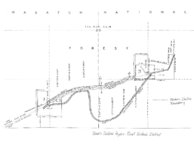
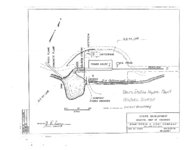
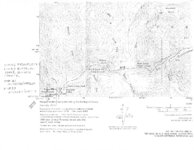
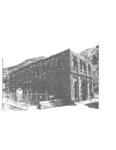
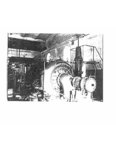
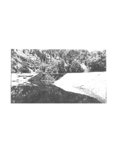
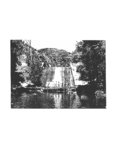
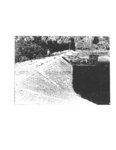
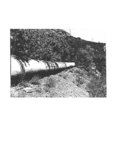
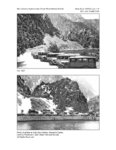
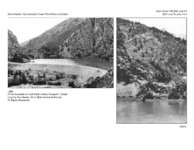
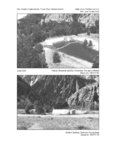
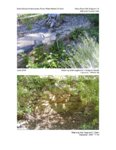
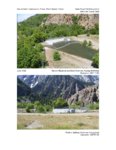
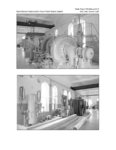
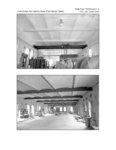
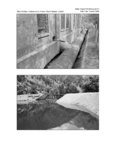
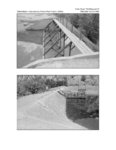
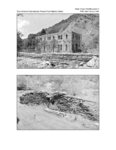
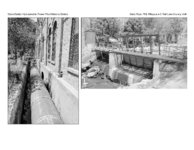
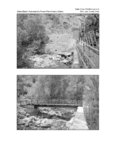
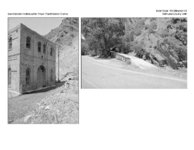
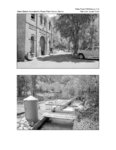
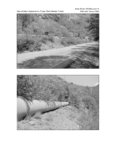
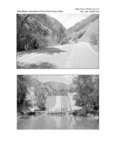
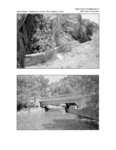
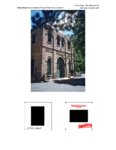
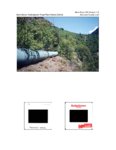
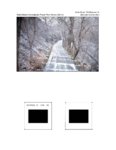
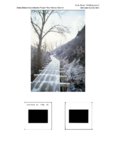
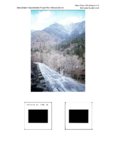
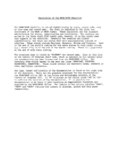
Show NPS Form 10-900a (Rev. 8-86) Utah Word Processor Format (02141) Approved 10/81 OMB No. 1024-0018 united states Department of the Interior National Park Service NATIONAL REGISTER OF HISTORIC PLACES CONTINUATION SHEET section number 8 Page 3 Stairs station Hydroelectric Power Plant Historic District, Salt Lake City, Salt Lake County, Utah on the i nstallation of electrical equipment for the Salt La ke Ci t y Railway. Hi s acquaintance with the Salt Lake City area no doubt led him to cons i der the feasibility of establishing a hydroelectric plant on one of the numerous streams that emerged from the Wasatch Moun t ains ju s t east of Salt La ke Cit y . Ce r t a i n l y the Salt Lak e area offered a prime market for electr i cit y generated from suc h a station. Jones scouted the cany o ns a lon g t he Was a tch ran ge, and in September 18 91 he located and filed an appropriation for wate r from Big Cottonwood Creek, along a cascade known as the Stairs. Jones then set about develop i ng the site. In 18 9 3, he applied for a franch i se f ro m Salt Lake to furnish e l ectri c it y t o the c it y . He a ls o l ed a g r o up of c i tizens to the pr o po s ed powe r site and told t hem of h is Dia n . But J ones met with failu r e as the ma yo r vetoed t he co uncil's a opr o va l of his franchi s e. Un da unt e d , Jones t r i ed a gai n. I n s up por t of his cause, he submi t ted a pet i t ion bea r ing t he s ig na t ures of 12 6 Salt Lake City businessme n . The Se veral c o uncil then pa s sed the franc h ise o ver the ma yor 's veto. months later, i n December 18 93, Jones o rganized the Big Co ttonwood Power Compa ny . Offi c ers i ncluded president John W. Don nellan , vice pre s ide nt W.H. Rowe, secretary George M. Cannon, a nd treasurer George M. Downe y . In 1894, wor kers emp l o yed b y the Big Cottonwood Pow er Compan y be gan erecting the plant, but work wa s frequently halted because of construction d i fficulties and quarrels o ver water rights. In June 1895, the Big Cottonwood Power Company found some in vestors in the East and construction work continued. Stairs Station was finally completed in May 18 96 at a cost of $325,000. Stairs Station was an outstanding example of a small, late nineteenth-century high-head plant. Jones had chosen an ideal site for the facility. The location of the dam at the top of t he Stairs and the sharp drop in elevation (350 ft. in about 1/4 mile) at t he site provided a high head for the turbines . Of equal importance, the short distance of the Stairs cascade necessitated only a minimum e x penditure of materials and energy for the construction of a pipeline and penstock. In contrast, many highhead facilities had lengthy water delivery systems that were e x pensive to build and maintain (the wood flume and steel pensto c k for Granite Station, for insta n ce, totalled ab o ut 1.75 mil es in |