| OCR Text |
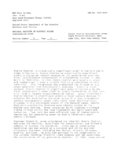
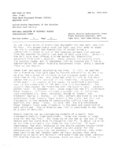
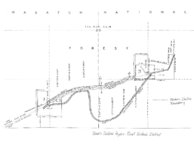
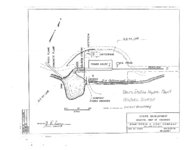
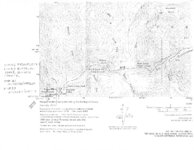
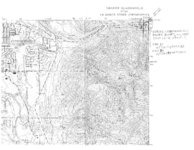
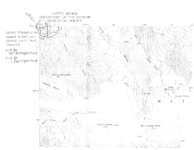
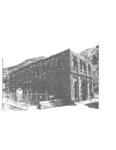
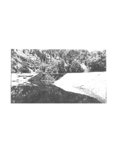
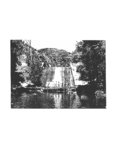
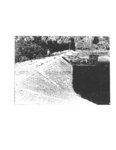
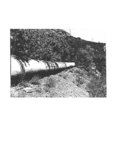
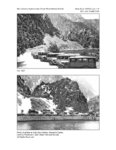
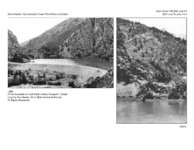
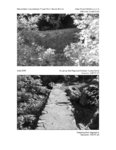
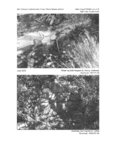
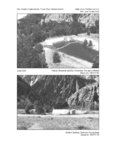
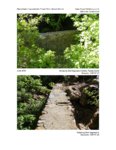
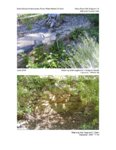
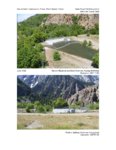
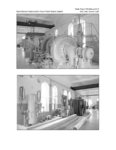
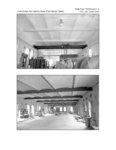
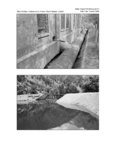
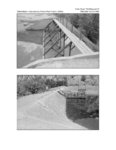
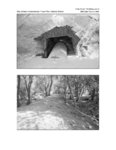
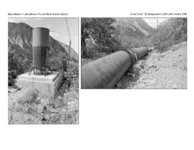
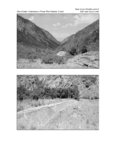
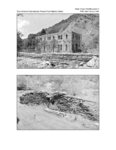
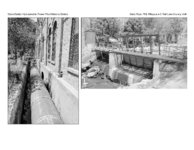
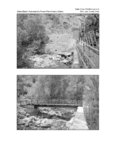
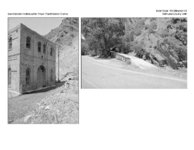
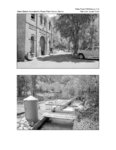
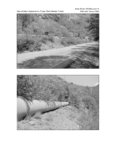
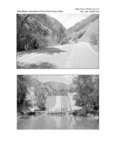
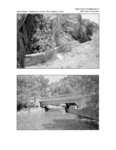
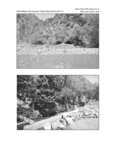
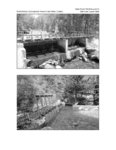
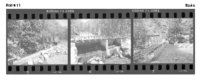
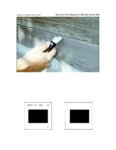
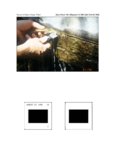
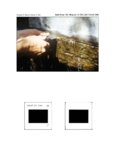
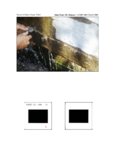
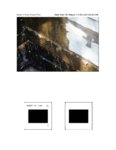
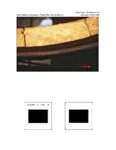
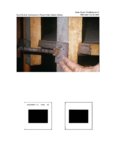
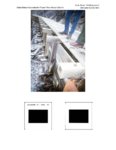
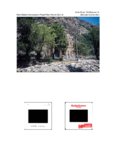
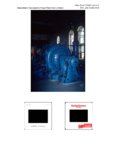
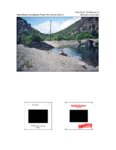
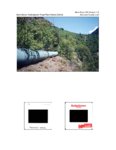
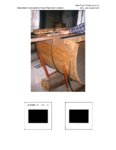
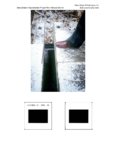
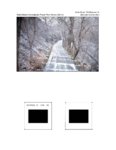
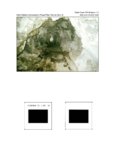
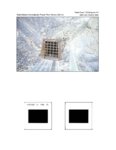
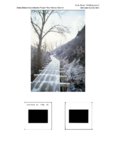
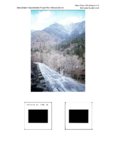
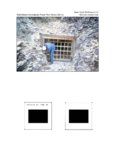
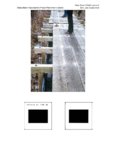
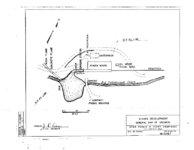
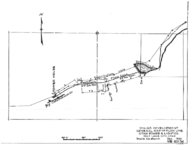
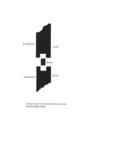
Show NPS Form 10-900-a (Rev. 0112009) (Expires 5/31/2012) OMB No. 1024-0018 UNITED STATES DEPARTMENT OF THE INTERIOR National Park Service National Register of Historic Places Continuation Sheet Stairs Station Hydroelectric Power Plant Historic District UT 152, Salt Lake City Electric Power Plants of Utah MPS Section number Page The Stairs Station Hydroelectric Power Plant Historic District was originally recorded in 1988 by Mark Fiege and Janet Ore for Utah Power and Light Company (Fiege and Ore 1988). The district consists of eight structures including a powerhouse, switchyard, dam, pipeline, standpipe, penstock, and several ancillary structures. During the current inventory, it was noted that Storm Mountain Dam and several segments of the rock wall associated with the Storm Mountain Reservoir are located within the western portion of the SR-190 project area. This documentation discusses these portions of the Stairs District and is an update of the original Stairs nomination form. Remnants of the old reservoir are still visible, including five segments (Segments A through E) of the retaining wall and the abandoned dam. The retaining walls are constructed of locally occurring, un-modified cobbles held with a sandy mortar and covered with a mortar veneer. Each wall segment measures about 50 cm (19 inches) wide and, on average, extends approximately 84 cm (33 inches) above the modem ground surface. Segment A is approximately 93 meters (305 feet) long and is located along the southern portion of the filled-in reservoir. Segment B measures approximately 64 meters (210 feet) long and is located along the western portion of the reservoir. Segment C is about 28 meters (92 feet) long and is located along the northern portion of the reservoir, following the contours of the bedrock wall on the north side of Big Cottonwood Canyon. Segment 0 measures about 35 meters (115 feet) long and is located along the northern bank of the Big Cottonwood Creek. A steel plate is embedded in the top of the segment. A 3.5-m (11 feet 6 inch) long, half-circle shaped drainage channel is located in Segment 0,4.9 m (16 feet) west of the bridge; the channel conducts water from Mule Hollow into Big Cottonwood Creek. Segment E measures 23 .8 m (78 feet) long, varies from 0.4 ill (1 foot 4 inches) to 0.6 m (2 feet) wide, and is on average 0.4 m (l foot 4 inches) to 1.2 m (4 feet) tall. A 4-m (13-foot) long, 15 cm (6 inches) wide steel plate with seven steel rods is embedded in the top of Segment E. In addition to forming a part of the Storm Mountain Reservoir, Segments 0 and E appear to have served as a foundation for a pre-I 93 7 bridge that spanned Big Cottonwood Creek at the current location of the Maxfield Bridge. A detailed recording of the abandoned Storm Mountain Dam was not possible because of high water levels and associated safety concerns present at the time of fieldwork. The dam, though, does not appear to have been modified or to be substantially different from the original recording in 1988 (Fiege and Ore 1988). The majority of the original retaining wall has been buried or removed; the removal of most of the wall likely occurred when the Storm Mountain Reservoir was filled-in during the 1950s. The five remaining segments are disconnected and largely buried, with only small portions of the wall remaining visible above the modem ground surface. Because of these impacts, the wall segments retain poor integrity of workmanship, setting, feeling, and association but retain good integrity of location, design, and materials. Big Cottonwood Canyon became known for electric power generation, in addition to its mining and recreation. In 1891, electrical engineer Robert Jones filed an appropriation for water from Big Cottonwood Creek, along the Stairs Cascade, approximately two and a half miles above the mouth of the canyon. The Stairs Cascade dropped around 350 feet in a quarter mile and was a |