| OCR Text |
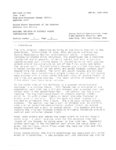
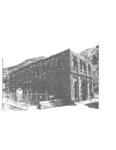
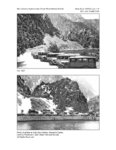
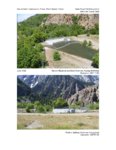
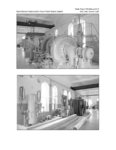
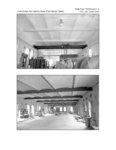
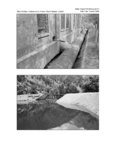
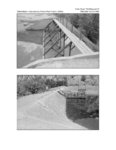
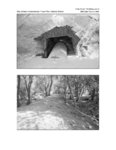
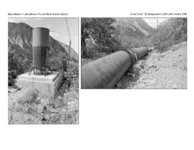
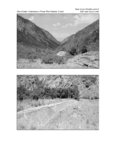
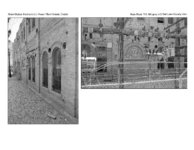
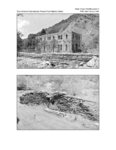
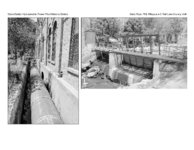
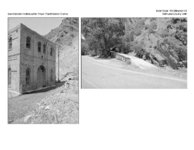
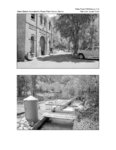
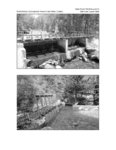
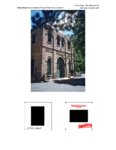
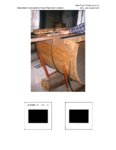
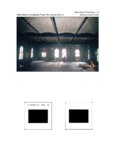
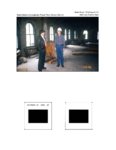
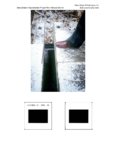
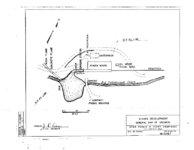
Show NPS Form 10-900a (Rev. 8-86) Utah Word Processor Format (02741) ·Approved 10/87 OMB No. 1024-0018 united states Department of the Interior National Park Service NATIONAL REGISTER OF HISTORIC PLACES CONTINUATION SHEET section number ____7____ Page 3 stairs station Hydroelectric Power Plant Historic District, Salt Lake City, Salt Lake County, Utah 1. Powerhouse The only original remaining building at the Stairs Station is the powerhouse. Constructed in 1895, this structure reflects the Second Renaissance Revival architectural style. A two-story, rectangular-shaped brick structure, the powerhouse has a concrete foundation and an asphalt, slightly gabled roof with a concrete capped parapet wall rising above it. Corbelled brick belt courses extend around the structure at top of the first story and below the parapet wall. The building's facades are divided into bays by pilaster strips which on the north and south facades contain starshaped tire rod anchors. The north and south facades are divided into 7 bays, each containing a single window or pair of 2/ 2 double hung windows with a brick corbelled semi-circular arched lintel in the first and second stories. The lower portion of windows on t he first story have hea v y metal screens. On the north side of the building is a substation/switch yard enclosed in a cyclone fence. This facade has an entrance to the substation yard that has a 2-light transom over a wooden door and screen door in the westernmost bay. The central bay has a sign reading "The Big Cottonwood Power Co./Stairs Station *1895*" which is lit with globed lights on metal brac~ets fastened on either side of the sign. Both the east and west facades are divided by pilasters into 3 bays. The side bays contain single windows. The central bay has a pair of windows over an entrance with a brick corbelled semi-circular arched lintel, an arched wooden transom and a pair of wooden doors. The eastern entrance retains the original transom window of 6-1ights radiating around a central semi-circular shaped light. Water both enters and leaves the power plant on the building's south side. A metal receiver pipe for the penstock runs the length of the facade, bringing water to the turbines. Segmental arched openings in the foundation wall allow the waste water to enter the tailrace, which flows under the receiver pipe and into Big Cottonwood Creek. Since construction, the Stairs powerhouse has sustained only minor exterior alterations. A new parapet wall and concrete cap similar |