| OCR Text |
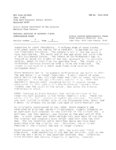
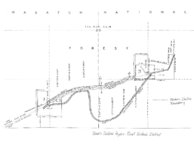
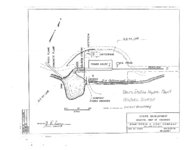
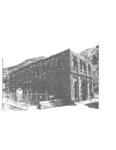
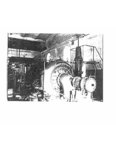
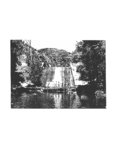
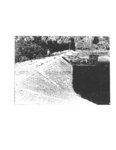
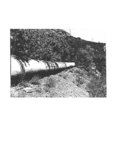
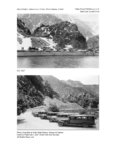
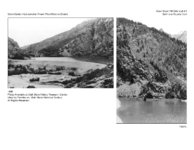
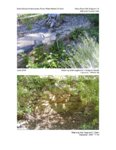
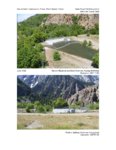
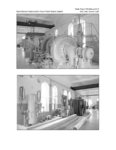
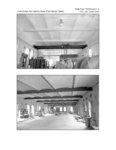
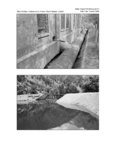
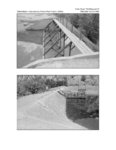
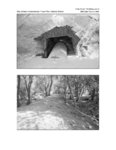
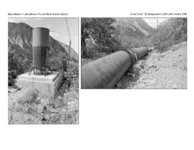
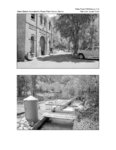
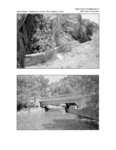
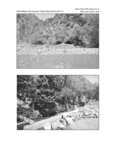
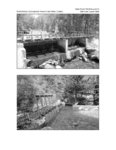
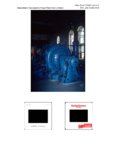
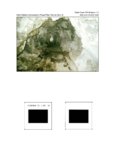
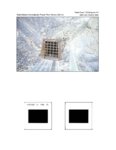
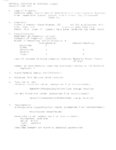
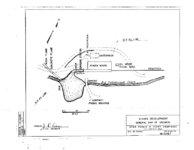
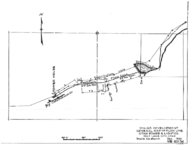
Show NPS Form 10-900a (Rev. 8-86) Utah Word Processor Format (02741) Approved 10/87 OMB No. 1024-0018 United states Department of the Interior National Park Service NATIONAL REGISTER OF HISTORIC PLACES CONTINUATION SHEET Section number 8 Page ____5_____ stairs station Hydroelectric Power Plant Historic District, Salt Lake City, Salt Lake County, Utah Power underwent reorganization and was renamed Utah Light and Power. Shortly thereafter, Utah Light and Power began operating the Pioneer, Stairs, a nd Granite plants in conjunction with each other . As part of an integrated system, these plants serve d Salt Lake City and Ogden as well as a number of smelters south of Salt Lake. In 1904, Utah Light and Power merged with Consolidated Railway and Power to form Utah Light and Railway. Ten years la ter, in 1914, Utah Light an d Railway and the Salt La ke Light and Traction Company merged to form Utah Light and Traction. In 1915, Ut~h Light and Traction came under the management of Utah Power and Light Company. Since UP &L acquired Stairs Station, a number of changes have been made to the facility. Most importantly, in 1921 UP&L built Storm Mountain Dam, replacing the origina l structure whicl, had rendered poor servi ce be caus e of its porosity . The construction o~ Storm Mo unta in Dam reflected UP&L's overall goal during the 1910s and 1920s of improving e xis ting hydroelectric power plants so that each could function as a more reliable, efficient component in a huge network of electrical generating facilities. An6ther major altera ti on made to Stairs Stati on involved t he replacement ( date unknown) of the original generators and Pelton wheels with another unit featuring a Francis reaction turbine. Fina l l y, at an undetermined date the company demolished the operator's quarters at the station. Despite these changes, the major technological components of Stairs Station --t he dam, conduit, penstock, and powerhouse, remain essentially intact. Thus they still represent the historic associations of the period of significance and they still exhibit the important characteristics of an early high-head hydroelectric plant. |