| OCR Text |
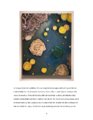
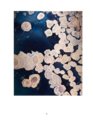
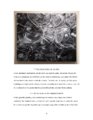
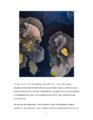
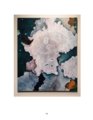
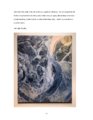
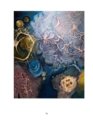
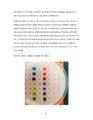
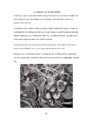
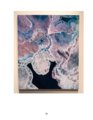
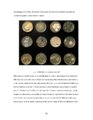
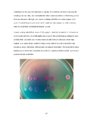
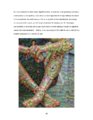
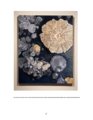
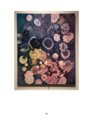
Show with the ambiguity, and allowing the answer to the question, "What are you made of?" to remain unanswered. Or at the very least, open for interpretation. Because what I was asking had, once again, changed. 2.6.1 CROSSBREEDS: A BRIEF FORAY INTO DIGITAL The third semester was a bit unlucky. I was tested for Hanta Virus because of a class trip. My studio was robbed, violating whatever sense of safety I had developed after disappearing myself, recalling the fear I hoped to keep away from my practice and away from Salt Lake City. Finally, by the end of October I had a nagging ache in my left arm. That ache grew, and by Thanksgiving I was given doctor's orders to lay off the arm. I'm left handed. Bye, bye, paint. The only thing to do during this comically disastrous time was to laugh. More importantly, as a maker, we must keep on making, regardless of circumstance or injury. Makers must make. Injured makers must adapt. I happened to be working with the Master of the Digital Art-Photography-Print-Science-Science Fiction-Historical World, and we were discussing ways that the painter who can't paint can still make. "What if you take images of the bacteria you collected, and crossbreed them through the Google Image Database," he asked. What if, indeed? I took two images, either a bacterial image with another bacterial image, or a bacterial image with an image of part of the figure. I put the image pairings through the Google Image Database to "crossbreed" them. What came out combined the two original images, creating the first generation image. I would enter the first generation image back into the database, and get generation two, and continue this until there were several generations. As the generations are being processed by the database, Google creates an algorithm that searches out images found 47 |