| OCR Text |
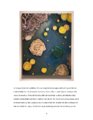
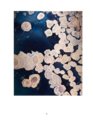
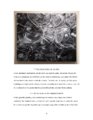
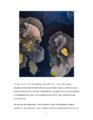
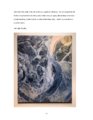
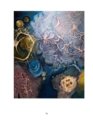
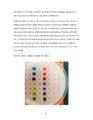
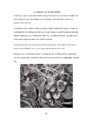
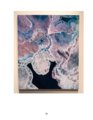
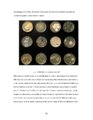
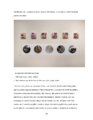
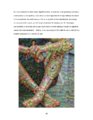
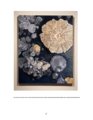
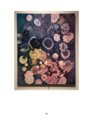
Show 4. Let go of the idea that bacterium is synonymous with germ. OPTIONAL: Let go of perceived notions of beauty and aesthetics, and that bacteria is considered gross, disgusting and ugly. 5. After re-reading steps one and two, consider that bacteria is a representation of a person at the very moment that their bacteria was collected, this includes their environment and surroundings, and what the person was wearing. 6. By collecting a person's bacteria, they become the subject, the model in the portrait. 7. Incubate for approx. 72hours-1 week, at 32° Celsius for optimal bacterial growth. 8. Redefine bacteria as the Artist's medium. 9. Remember, Duchamp and Beuys say that Art is intent, Jeff Koons- or better yet, Andy Warhol- proves that Art is the idea, not the making; you don't have to make the Art, or grow the bacteria, to be the Artist. 10. When bacterial colonies are at optimal appearance (as the Artist, this is your decision to make), take them out of the incubator. The bacteria are grown on agar, a nutritional source. There are several types of agar, but LB agar is considered a pretty universal nutrient. This just means that it grows a diverse amount of bacteria, and is therefore more capable of supporting several types of bacterium and their colonies. This is a good bacterial culture catchall if you don't have a specific bacterial group in mind. This is also beneficial for more visual diversity on a single plate. The colonies that grow on the plates become representative of everything captured from the moment that the model let their portrait be painted. This happens immediately when the sample is first put on the plate (via q-tip, tongue, fingerprint, etc.), and tells a story of that scene, despite the collection's initial invisible presentation. As the bacteria feeds off the agar, certain colonies grow and certain colonies disappear themselves, but as the morphology changes during this incubation period, it continues to tell the story of a very singular moment. 37 |