| OCR Text |
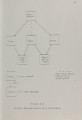
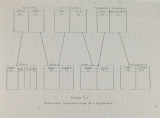
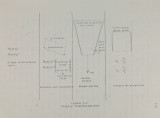
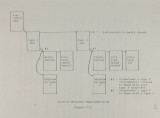
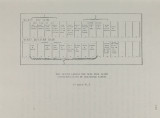
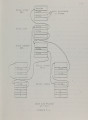
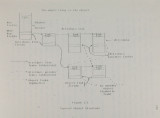
Show 102 res 0: e 2:tr:cute or otjEct heaEr is USEe for scrin? :.!':='S -:::e rane c f ar. c::'ject 1:. n k IT·=Y ir:clucie objects ..... r ; cr. have eifferent key fieles, the cbject Ii;;).: fields co :-:ct actally ccr:tair. a copy of t r.e key, but rather refe:ence a key attribute hich is cor:tained , an i:; v :.5i::::.€ (:0 the :...:ser) a t t r i cv t e list ....h i cb is the first field of all objects. There is an added advantage wit!; this strategy that commonly recur:ing objects seci as referents of object links (e.g. the building blocks of a p r c t e i n r.c Le cu l e ) , need h e v e only a single key attribute. For a corrpile system, one might also ant to use a similar strategy for variable length arrays ( i . e. replace the va:iatle a:ray in the attribu:e with a pointer to the array) in order to allow fie:ci oft!ets to be cop:eci at c c ;r. p :. 1 e : i IT. e • If te svsterr were corrpiled, the Object and attribute definitions would be sed priarily bv the Sowever, recursive functions uc!-: as search, delattr, ar.c t:-,e access enc upeate f'..:;ct::..cr:s 2till need rr. tiiie cccess to cbject and to ieen:iv attribute lists, 2t:ribJte 90inters, and object l:'r.l\s. |