| OCR Text |
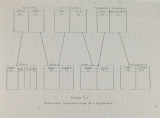
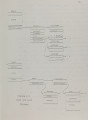
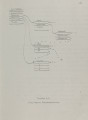
Show 26 (e.;. or sortn£) tend to expand pro?ortionEl te n log n, .. .. , or e v e r. ",'or se • for these reascns, ef::.eiency eonsider':ion5, tich are often rrinirrally iortant for srrall collections of daa, eften dorrinate the evaluation criteria fer representation schemes ii.tended for large data tases. As te nuer of instances grows, it becoes ore and ore difficult fer the computer to be able to operate on the data in reasonable times. As the nurrber of types becomes large, it becomes reore nd more difficult for eole to design, manage, and use the system. In this case clarity and flexibility considerations become critically consider two important r::ethods C- - c. .... ..:: :"n order to ceal corrplexity. The first is to organize the types by using a top-cwn cecorrposition discipline to define them. The entire collection of data is cor.sidered a single data object which is decomposed into a srr.all n un.c e r of sub-objects. These sub-objects are recrsively cecorrposed ntil all data objects are fairly !irrple. Rigic adhere:-:ce to ttis discipine produces an n-ary tree structure of aata types. Khile this rreth06 does not actually reduce the nu=er of types, it crganzes them into levels 50 that at |