| OCR Text |
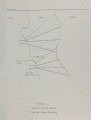
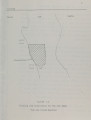
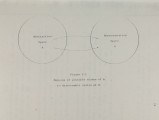
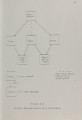
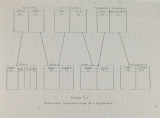
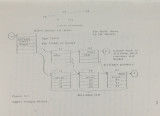
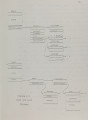
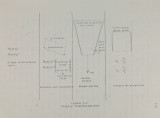
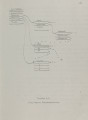
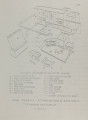
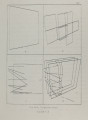
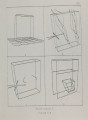
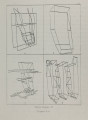
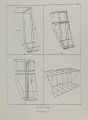
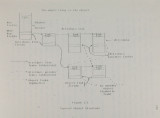
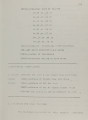
Show 49 The second mortant effort in coputer aded ?L san6s as a major cotbtion to tte area c ccrr;ter ade6 des9n. It as one of the first syserrs to recoze and rreet the need for sUPFort of lar?e data bases. Frthercre, provides a data structur hich is suiatle for general modeling purpcses by re;resenting both spa:ial ane non-spatial data in a common structure. A?L as ben sed' sccessfully as a tasis for working systeros whic are used for daily design tasks. However, APL shares a common feature with the data s y s t errs we have examined wh:'ch necesstates a large overhead and makes it difficult :0 guarantee real tirre response to graphic interaction. In figure 3. each face, edge, and point is a se?era:e :te in a large data base. The :'nherent protlems with this 2;;r:2C are discssed in section 3.5. design which we will briefly consider is the Building Desi?n Systerr. (EDS) which is under developrrent by Charles Eastman and others at the Institute of Physical Planning at C 2 r n e s.: i e ; E: II c n C n i ve r sit y [ 4 J • In the D2S data ase 5ys:e, ajor emphasis has been D·, - \,.j - on factorin? c cmmcr; topologies (e.g. of an I beam) frcIT. the spatial description of objects. Fararretric expressions are then used in the |