| OCR Text |
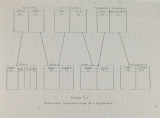
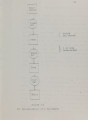
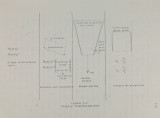
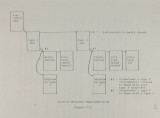
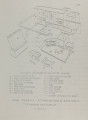
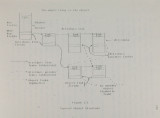
Show 28 :he r0tle of reresentng an arbitrary polyhedron (see (i.e. a r.e rre ) e n ac o r e s s ; . te5e :s is a !mportant coponet cf any cperations on :he cate.. hether e traversing operations are nder ex:icit user catrcl or wether they are implicit in :--:i,;::er Le ve l ope r a t i c n s like 2 r e l e t i cn a Lc e o r e "joir.", the traversing of links to select tte desirec Farts of the data otter. cor.sues rrost of ::'r.e for iven cpera::an. her. a link tag been cefine6 fraIT cjects af type A to objects of type S, there is a potential link frorr any instance of type A to any instance of type B. However, the actual links between instances rray tend to forrr (see Lgure 2.2). By physically ;roJpir.; he elerrer.ts of such lir.ked clusters in :r.errory, the tles necessary to traverse these links may be greatly Further;;ore, ty collapsing these clusters into 5:: jaa otjec:s hose ccmcnent eleent are not cirec:ly accessible froIT: outside the object, one can often dras::cally reduce the number of both data Object types and cata ctje2t instances. As an example of this clustering, we will consider ::>;;.;re 2.3). Each polyhecron contains a set of faces, each face contains a set of edges and each edge contains two po:nts. An individual edge Trust be shared by exactly two |