| OCR Text |
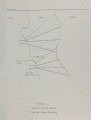
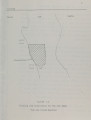
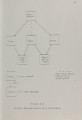
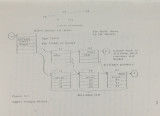
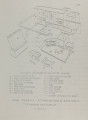
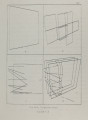
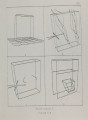
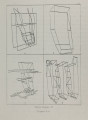
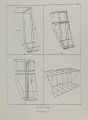
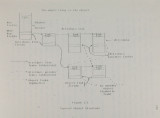
Show 5 C:e e dr:ll oles are cl=t:ed. paper i: a 2D rr e d ; urr the . l' - :.rr:? :. eo sae of the ore body in the _ection orthogonal to the p!ae cf tte section is usual:y uch ore irregular than tte interFretation in the sc:ion. This is an almost unavo:able result of sing _ methods to interpret a corrplex 3D shape. Once the ore boy has e interpreted, excavations rr:st be designed from wt:h th re will be mined. The excavatios should fit the Et· of the ore body as much as is practical. 8ince the ore . wortn a lot of money, one does not ant to leave any of :: behind and ince it costs a let to rrine, one does not to ine any more waste : ecesEary. The excavations also have a coplex 3C shape for these reasons (see figure 1.2). The rre j o r excavations tend to be very larg and are rrined over long ?eriocs 0: time, so they ust be cut up into sb-resions or "rings". These rings a r e the basic rn i n i nc units s i nc e it is at the ring level that the blast holes are designed, drilled, loaded with ex;lcsivs, and detonated. The ore reserves (i.e. tons of ore and avera?e rre t a l content) must be calculated for both major |