| OCR Text |
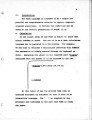
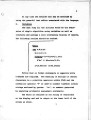
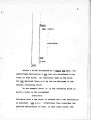
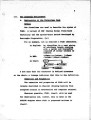
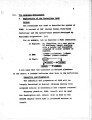
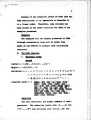
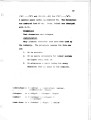
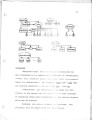
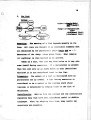
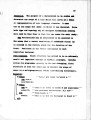
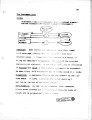
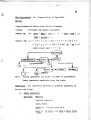
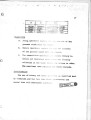
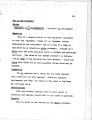
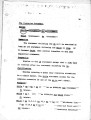
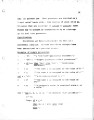
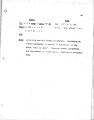
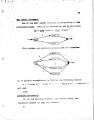
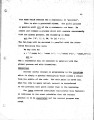
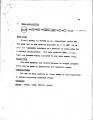
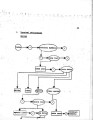
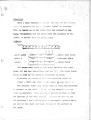
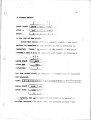
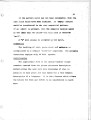
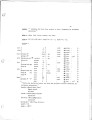
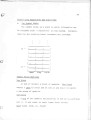
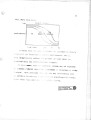
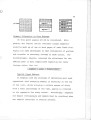
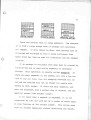
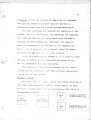
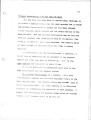
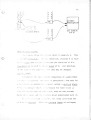
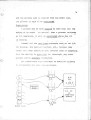
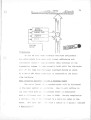
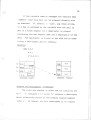
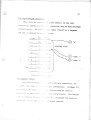
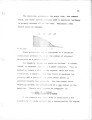
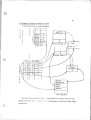
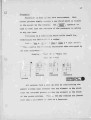
Show 82 The name, a 12-16 bit number, is reduced by the hash to a 4,5, or 6 bit number which is used as an index to search the table. Since not even the best hashing algorithm can totally eliminate the possibility of two names hashing to the same place (as 'name 1' and "name 2» have done) provisions must be made for this eventuality. ■ After the index selects a row, a comparison must be made.to see if we have uniqueness. If we do (percentage dependent on the hash size), then the absolute address • may be delivered without further ado. If the name column contains a zero, then there is nothing in core memory that hashes to this slot, and the segment must be out on secondary storage.' The same" applies to the case where the comparison fails and the link field is zero indicating a chain is piresent. The overhead for a good hit is 2 650 Us memory cycles. That for ä fault is 1 or 2 650 yjs 'memory cycles. Now the high overhead case is considered. If the absolute address of 'name 2' is required, a chain of multip/le hits must be followed. Fortunately, this does not happen very often. In all the associative structures the percentage of multiple hits is calculated. 2-4% is the maximum allowable level; when this is exceeded, the associations are iwiwaawfrta.-gj'- |