| OCR Text |
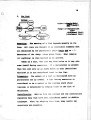
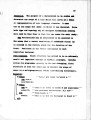
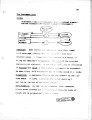
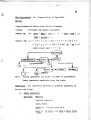
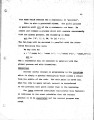
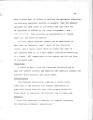
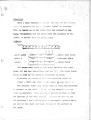
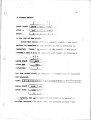
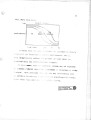
Show ii i.^.-.-.-'v:-. cv ,/■«...■i,'v -, -• , j .-,; ■,,,...,,!, .,.,. „,, ... -'(••! variables a,brc are considered to be totally new and local. In the assignment of identical form: atb+c+d+e; the a,b,c are from the inner bl6ök arid the dfh are from the outer block. The a>b>c of the outer block are not touched. Ifhert the end of the inner block is reached, the inner block ceases to exist; we ar^ again in the scope of the outer block. The assignment f«-a+b sets f to the value a+b wher«i a,b are the outer block variables. The use of Block structute in this way allows sections ot ptö^rams Written as blockpto be arbitrarily inserted O Without, f*ar of destruction when variable names happen to J(J*tc!h Äi can-eMily happen in unstructured languages like FÖRTÄÄH. The use of the word new means just that. The vari-ables following are created fresh each time a block is entered; e. Mfeendabilitv NiW binary and unary operators rpay be declarfBd giving the programmer powerful control over the language itself. For example, the functions max and mio may be useful as operators, i.e.: begin new max, min; bop max «-'new a,b. if a>b then a else b'; bO£»min «-'new a,b. if a<b then a else b' |