| OCR Text |
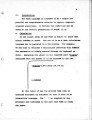
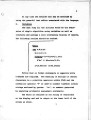
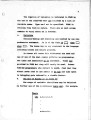
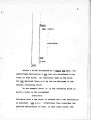
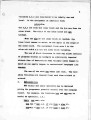
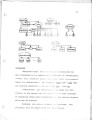
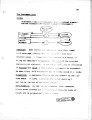
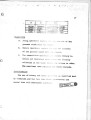
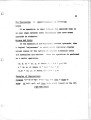
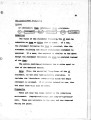
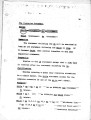
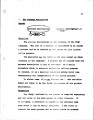
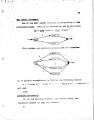
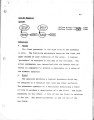
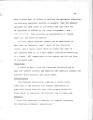
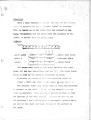
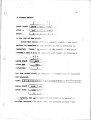
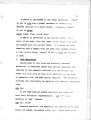
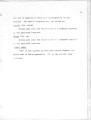
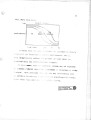
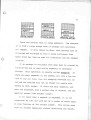
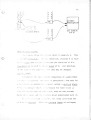
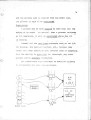
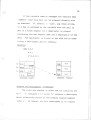
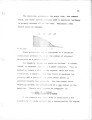
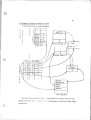
Show 71 iT"^ //////////////// segment 2 segment 1 segment 2 ^TTTTm-rrTy-nrrrr growing segmem segment 1 «^ J I*I 111111 P P ,. SSSS/'S///////// r's''////,/'''/'/"//'/'/'s'///'*/ '//'///S/////S//, '////SS/////////, ''////I1////////// '////ss////////// f'///ys/s//s/,/// segment 2 *>f>fn J / / > r i i i , , segment 1 remapping segment reclaiming garbage There are several ways to remap segments. The cheapest is to find a large enough area of garbage and reallocate the segment. If this cannot be done, then garbage must be collected and arranged to form a large contiguous free space which may then be used for allocation and new segment creation. If no garbage is available then some must be created by transferring one or more active segments to secondary storage. This operation is usually called swapping. if there are many segments in the system, but only a few are used at any one time, then the swapping overhead will be low and the machine will act as though its usable core memory is much longer. If there are many segments, and many are accessed, then a system clog is created, and the apparent access time becomes longer. In all cases when a segment is expanded, it is not lengthened by just one word but by a number of words equal to some fraction of its current length. This allows some room for further expansion without disturbing the system. |