| OCR Text |
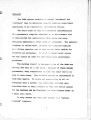
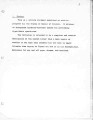
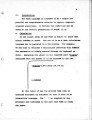
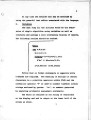
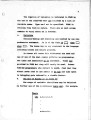
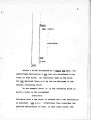
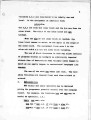
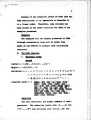
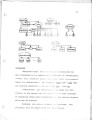
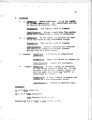
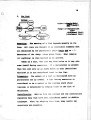
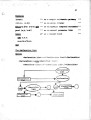
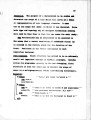
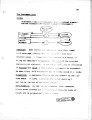
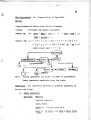
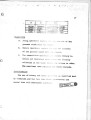
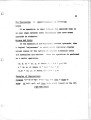
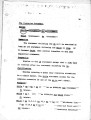
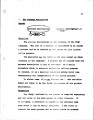
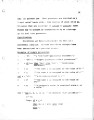
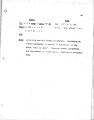
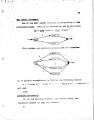
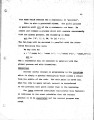
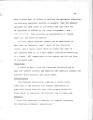
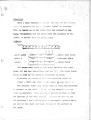
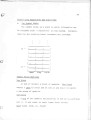
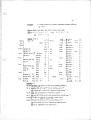
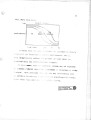
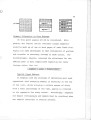
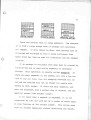
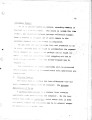
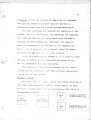
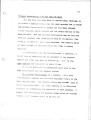
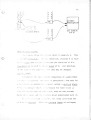
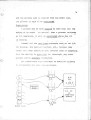
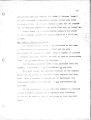
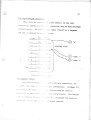
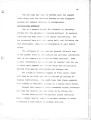
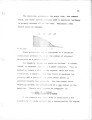
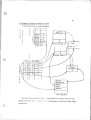
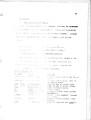
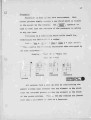
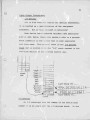
Show 70 ga.baqe f / S / .' ».'//// ■///// •f/.f/ ■///// '///// '///■// ■<•/-/ / . .',•//.■ '/■//// > .■■ /.' / ■r-rr ////// s.■///' / ,•////// /.•//////•//, /s /////// /////■/•/ //////f //.'/.' s .• / /1- / / / /////// ///''s//s//// /////// "/ • ' r / /s/s . / /■/■/ /' // // .'' // / "/ //•/// ////// segment 1 segment 2 seamenn TTrrrrrrm-rrrrr "55jgrnenr ■fy-rrrr-rV -rrrrrrrrrm segment "7" ////././././././././././././.i. segment 3 Segment Allocation in Core Storage At this point paging she ild be considered. With paging, the logical entity (variable length segments) would be made up of one or more pages of some fixed size. Paging has some advantages in that reclamation of garbage and. transfer to secondary storage is made easier. The disadvantages, however, outweigh the advantages for the address path is more complicated requiring two table lookups rather than one. segment"" "page "| displacement Typical Paged Address In keeping with the strategy of optimizing most used operations (and accessing memory is certainly at the top of the list), while allowing a certain amount of dirty work a small percentage of the time, paging is rejected as too expensive for every access. Accordingly, segments are mapped contiguously and memory must be reordered when one segment threatens to overrun another. |