| OCR Text |
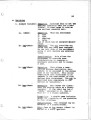
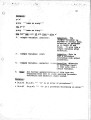
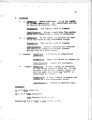
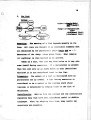
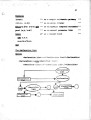
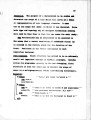
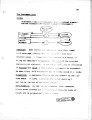
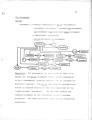
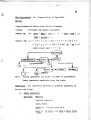
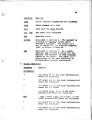
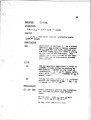
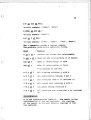
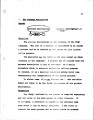
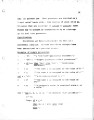
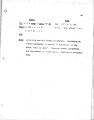
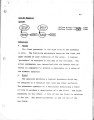
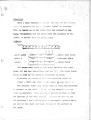
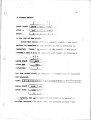
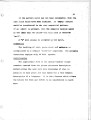
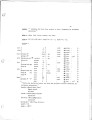
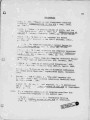
Show w« „ .-..■.. . ;_,, .„l',.,,..,..,,, .,, _ -. - . ^ _ ^ . I ^ ■ „,,r--,LtlJJI.„..,.„.,..„„, ^p.^ a. Variables { 1. «simple variable > Seimantics. Although this is not tile . smalle&t syntactic ullit for a non* literal, in'some cas«s it acts as the smallest semantiO unit. 1&. <ident> lb, val<ident> Semantics. rr This has attributes name 2, type 3, topology 4, value all of which may be assigned dynamic cally. Semantics.« The val overrides any value~tEat may have been assigned. On the left side of the assignment arrow xt will destroy any previous value. Justification. This allows the programmer to override name considerations to reassign a procedure quotation and to access a name. 1c. map<ident> Id. bo£<ident> Semantics. This allows a user-derivecTprocess description (pro-cedure) to be assigned to the access path of the variable. This allows complicated user structures to be , indexed in the same manner as FLEk defined data structures. The map is described more completely in the ' section on <selectors>. Semantics, This moves the <ident> into the parsing table as a binary operator. If the ident has had a ^Body^ assigned to it, then it will act as a binary operator. le. uop<ident> Pragmatics. A simple name inclusion using EKe generality of the quotation to full advantage. Justification. The language may be extended in a simple manner. Note: Same as bop except <ident> is parsed as a unary operator. |