| Title |
Dustin Sexton, Salt Lake City, Utah: an interview by John C. Worsencroft, September 12, 2009: Saving the Legacy tape no. IA-5 |
| Alternative Title |
Dustin Sexton, Saving the legacy: an oral history of Utah's World War II veterans, ACCN 2070, American West Center, University of Utah |
| Creator |
Sexton, Dustin |
| Contributor |
Worsencroft, John C., 1981-; University of Utah. American West Center |
| Publisher |
Digitized by J. Willard Marriott Library, University of Utah |
| Date |
2009-09-12; 2009-11-21 |
| Date Digital |
2015-12-16 |
| Access Rights |
I acknowledge and agree that all information I obtain as a result of accessing any oral history provided by the University of Utah's Marriott Library shall be used only for historical or scholarly or academic research purposes, and not for commercial purposes. I understand that any other use of the materials is not authorized by the University of Utah and may exceed the scope of permission granted to the University of Utah by the interviewer or interviewee. I may request permission for other uses, in writing to Special Collections at the Marriott Library, which the University of Utah may choose grant, in its sole discretion. I agree to defend, indemnify and hold the University of Utah and its Marriott Library harmless for and against any actions or claims that relate to my improper use of materials provided by the University of Utah. |
| Spatial Coverage |
Kuwait; Iraq; Georgia |
| Subject |
Sexton, Dustin--Interviews; Veterans--Utah--Biography; Iraq War, 2003-2011--Personal narratives, American |
| Description |
Transcript (xx pages) of an interview by John C. Worsencroft with Dustin Sexton on September 12, 2009. From tape number IA-5 in the "Saving the Legacy" Oral History Project |
| Collection Number and Name |
Accn2070, Saving the Legacy oral history project, 2001-2010 |
| Abstract |
Dusty was born in Orlando, Florida, but moved around the United States a lot growing up. His dad was an Episcopal priest. Dusty enlisted in the Marine Corps and went to boot camp in 1991 at MCRD San Diego. He talks about boot camp, deployments, and life in the Marines. Dusty has served multiple deployments to Iraq in numerous leadership positions. The interview is largely a chronological narrative of his nearly 20 years in the Marine Corps. Dusty currently lives in Kamas, UT. where he is a firefighter with Park City Fire Department. He also runs a business, Sexton Off-Road, which builds custom off-road vehicles. Interviewed by John C. Worsencroft. 142 pages. |
| Type |
Text |
| Genre |
oral histories (literary works) |
| Format |
application/pdf |
| Extent |
142 pages |
| Language |
eng |
| Rights |
 |
| Scanning Technician |
Mazi Rakhsha |
| Conversion Specifications |
Original scanned with Kirtas 2400 and saved as 400 ppi uncompressed TIFF. PDF generated by Adobe Acrobat Pro X for CONTENTdm display |
| ARK |
ark:/87278/s6nc839h |
| Topic |
Personal narratives--American; Veterans; Iraq War (2003-2011) |
| Setname |
uum_slohp |
| ID |
1027909 |
| Reference URL |
https://collections.lib.utah.edu/ark:/87278/s6nc839h |
| Title |
Page 102 |
| Format |
application/pdf |
| Setname |
uum_slohp |
| ID |
1027869 |
| OCR Text |
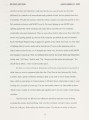
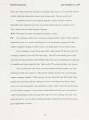
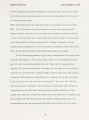
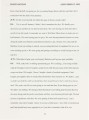
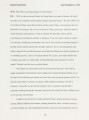
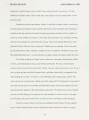
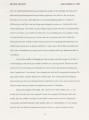
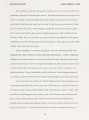
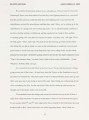
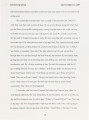
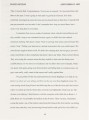
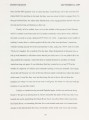
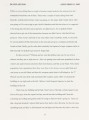
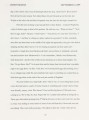
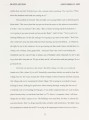
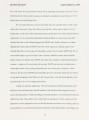
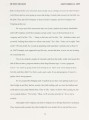
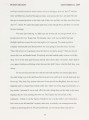
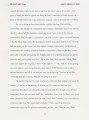
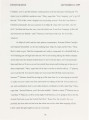
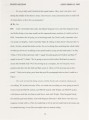
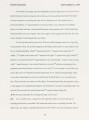
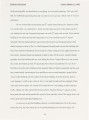
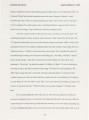
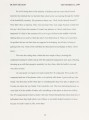
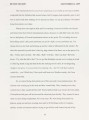
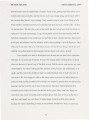
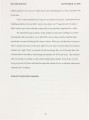
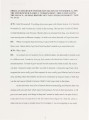
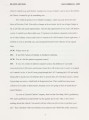
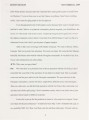
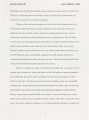
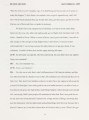
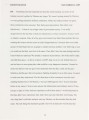
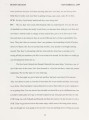
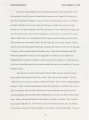
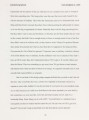
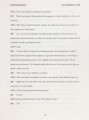
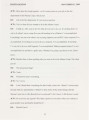
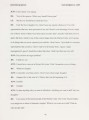
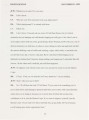
Show DU TIN E TON MB R 21 2009 don t want to go north because that s dangerous. Well we get in with this ta i driv r Misha was his name, and he was like, "I want to take you north. We re like uh, oh (laughs). He just started driving and two hours later we're still driving. We're like oh, we 're screwed. We thought we were going to die. But he took us to this old town that had one of the first churches from John the Baptist and went in there. It was under reconstruction. We got to see a bunch of underground tombs and, oh, it was awesome. They'd never seen Marines, chances are they 'd never even seen Americans before, and everybody was super nice and super happy to talk to us. They took us to this old style Russian camp where Stalin had camped before and fed us out of the cabins that the soldiers had slept in in this Russian style camp. We just had a great day off. It was awesome to go out and experience this culture. It was amazing. JCW: Did you have an interpreter with you? DS: No, we didn't. JCW: Did you find people that could speak English, though? DS: No. I had learned, this was late in our. .. we'd actually gotten left there. The Air Force fucked up and lost our transportation. I don't know how you lose transportation for all these individuals. There were a thousand people there, but whatever. So we couldn't leave and we'd gotten an extra day off or whatever and this was during that time, so our translators weren't getting paid anymore, so we didn't have our translators. But I had learned enough. I'd been there long enough that I'd learned enough to kind of stumble through it because I'd never, like when I was in high school or whatever, I took Spanish and took language classes, but I never really wanted to learn. But this language I wanted to learn. So I really worked with my interpreter and was able to kind of stumble along, 7 |
| Reference URL |
https://collections.lib.utah.edu/ark:/87278/s6nc839h/1027869 |