| Title |
Dustin Sexton, Salt Lake City, Utah: an interview by John C. Worsencroft, September 12, 2009: Saving the Legacy tape no. IA-5 |
| Alternative Title |
Dustin Sexton, Saving the legacy: an oral history of Utah's World War II veterans, ACCN 2070, American West Center, University of Utah |
| Creator |
Sexton, Dustin |
| Contributor |
Worsencroft, John C., 1981-; University of Utah. American West Center |
| Publisher |
Digitized by J. Willard Marriott Library, University of Utah |
| Date |
2009-09-12; 2009-11-21 |
| Date Digital |
2015-12-16 |
| Access Rights |
I acknowledge and agree that all information I obtain as a result of accessing any oral history provided by the University of Utah's Marriott Library shall be used only for historical or scholarly or academic research purposes, and not for commercial purposes. I understand that any other use of the materials is not authorized by the University of Utah and may exceed the scope of permission granted to the University of Utah by the interviewer or interviewee. I may request permission for other uses, in writing to Special Collections at the Marriott Library, which the University of Utah may choose grant, in its sole discretion. I agree to defend, indemnify and hold the University of Utah and its Marriott Library harmless for and against any actions or claims that relate to my improper use of materials provided by the University of Utah. |
| Spatial Coverage |
Kuwait; Iraq; Georgia |
| Subject |
Sexton, Dustin--Interviews; Veterans--Utah--Biography; Iraq War, 2003-2011--Personal narratives, American |
| Description |
Transcript (xx pages) of an interview by John C. Worsencroft with Dustin Sexton on September 12, 2009. From tape number IA-5 in the "Saving the Legacy" Oral History Project |
| Collection Number and Name |
Accn2070, Saving the Legacy oral history project, 2001-2010 |
| Abstract |
Dusty was born in Orlando, Florida, but moved around the United States a lot growing up. His dad was an Episcopal priest. Dusty enlisted in the Marine Corps and went to boot camp in 1991 at MCRD San Diego. He talks about boot camp, deployments, and life in the Marines. Dusty has served multiple deployments to Iraq in numerous leadership positions. The interview is largely a chronological narrative of his nearly 20 years in the Marine Corps. Dusty currently lives in Kamas, UT. where he is a firefighter with Park City Fire Department. He also runs a business, Sexton Off-Road, which builds custom off-road vehicles. Interviewed by John C. Worsencroft. 142 pages. |
| Type |
Text |
| Genre |
oral histories (literary works) |
| Format |
application/pdf |
| Extent |
142 pages |
| Language |
eng |
| Rights |
 |
| Scanning Technician |
Mazi Rakhsha |
| Conversion Specifications |
Original scanned with Kirtas 2400 and saved as 400 ppi uncompressed TIFF. PDF generated by Adobe Acrobat Pro X for CONTENTdm display |
| ARK |
ark:/87278/s6nc839h |
| Topic |
Personal narratives--American; Veterans; Iraq War (2003-2011) |
| Setname |
uum_slohp |
| ID |
1027909 |
| Reference URL |
https://collections.lib.utah.edu/ark:/87278/s6nc839h |
| Title |
Page 21 |
| Format |
application/pdf |
| Setname |
uum_slohp |
| ID |
1027788 |
| OCR Text |
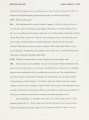
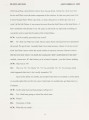
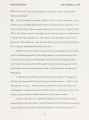
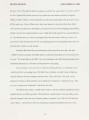
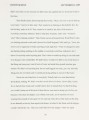
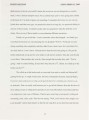
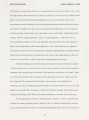
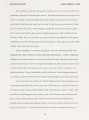
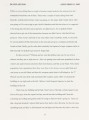
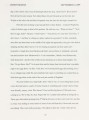
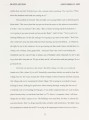
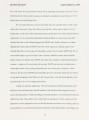
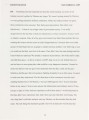
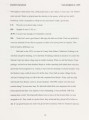
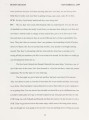
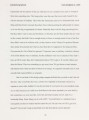
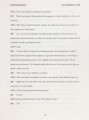
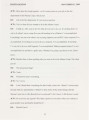
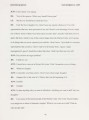
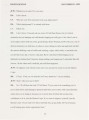
Show D TI EXTO p B R 12 2009 D : Yes. That was one thing that really hurt the moral wa th chow hall ituati n. Especially for me, because chow hall closed at 16:30 and a normal person doe n teat at 4:30 in the afternoon, so you'd always have to go out for dinner and that spent a lot of money. Good camaraderie, but you spend a lot of money when you do that. That's how we ended up always hanging out drinking coffee. JCW: All in all, though, do you think the unit learned a lot from the experience of being down in California for that long. DS: I think they learned a lot. A lot of our guys were younger and didn't really have a lot of experience and I think there was a lot of experience gained. I think we tightened up as a unit. Do I think you need a year to do that? No. Do I think there was a lot of wasted time? Yes. But I also think there was a lot of really good training involved. The first six months, not so much, because the QRF mission was kind of taking precedence, we were doing some good training. We did less than lethal and a lot of non-lethal classes and we got OC sprayed and that was tortuous and painful. After the six months was up, though, I think that's about when the QRF mission kind of went away. I think it was still there, but we really didn't, it wasn't like we were on twenty-four hours notice or I don't remember what the notice ended up being, but it seemed like we just kind of let that slide and stayed on active duty. We went to Bridgeport and that was awesome training. That was really, really good training up there. Had a really good package up there in the unit we worked with. We met the Amtracker unit; we trained with those guys. We had a unit that got attached to us-I don't remember any other names-but they were a reserve Amtracker unit. They 21 |
| Reference URL |
https://collections.lib.utah.edu/ark:/87278/s6nc839h/1027788 |