| Title |
Robert E. Irion, Sandy, Utah: an interview by Benjamin Bahlmann, September 20, 2002: Saving the legacy tape no. 537, 538, and 539 |
| Alternative Title |
Robert E. Irion, Saving the legacy: an oral history of Utah's World War II veterans, ACCN 2070, American West Center, University of Utah |
| Creator |
Irion, Robert E., 1923-2007 |
| Contributor |
Bahlmann, Benjamin; University of Utah. American West Center |
| Publisher |
Digitized by J. Willard Marriott Library, University of Utah |
| Date |
2002-09-20 |
| Date Digital |
2015-09-16 |
| Access Rights |
I acknowledge and agree that all information I obtain as a result of accessing any oral history provided by the University of Utah's Marriott Library shall be used only for historical or scholarly or academic research purposes, and not for commercial purposes. I understand that any other use of the materials is not authorized by the University of Utah and may exceed the scope of permission granted to the University of Utah by the interviewer or interviewee. I may request permission for other uses, in writing to Special Collections at the Marriott Library, which the University of Utah may choose grant, in its sole discretion. I agree to defend, indemnify and hold the University of Utah and its Marriott Library harmless for and against any actions or claims that relate to my improper use of materials provided by the University of Utah. |
| Spatial Coverage |
Scotland; England; Germany; Czechoslovakia; Kansas, United States |
| Subject |
Irion, Robert E., 1923-2007--Interviews; World War, 1939-1945--Personal narratives, American; Veterans--Utah--Biography; World War, 1939-1945--Aerial operations, American; World War, 1939-1945--Campaigns--Europe, Northern--Personal narratives, American |
| Keywords |
Army Air Corps |
| Description |
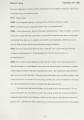
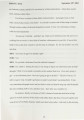
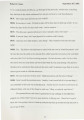
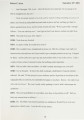
Transcript (142 pages) of an interview by Benjamin Bahlmann with Robert E. Irion on September 20, 2002. This is from tape numbers 537, 538, and 539 in the "Saving the Legacy Oral History Project |
| Collection Number and Name |
Accn2070, Saving the Legacy oral history project, 2001-2010 |
| Abstract |
Irion (b. 1923) recalls his youth in Kansas and tells how he enlisted in the Army Air Corps in October 1942. He discusses his flight training in Arkansas, Alabama, and Florida. He served in the 505th and 339th Fighter Groups. 142 pages. |
| Type |
Text |
| Genre |
oral histories (literary works) |
| Format |
application/pdf |
| Extent |
142 pages |
| Language |
eng |
| Rights |
 |
| Scanning Technician |
Mazi Rakhsha |
| Conversion Specifications |
Original scanned with Kirtas 2400 and saved as 400 ppi uncompressed TIFF. PDF generated by Adobe Acrobat Pro X for CONTENTdm display |
| ARK |
ark:/87278/s6bs0rd1 |
| Topic |
Personal narratives--American; Veterans; World War (1939-1945); Military operations, Aerial--American |
| Setname |
uum_slohp |
| ID |
1025794 |
| Reference URL |
https://collections.lib.utah.edu/ark:/87278/s6bs0rd1 |
| Title |
Page 83 |
| Format |
application/pdf |
| Setname |
uum_slohp |
| ID |
1025732 |
| OCR Text |
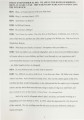
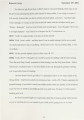
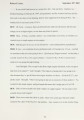
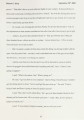
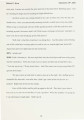
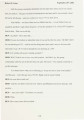
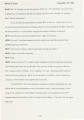
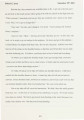
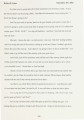
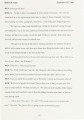
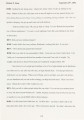
Show Robert E. Irion eptember 20th, 2002 And Bert couldn't stay with my roll; he went down into the clouds too. But I knew he was okay because in just a couple of minutes I hear him on the radio calling somebody, asking what's a heading to take to get out of there. And they gave him a heading - so I knew he was alright. Well, I pulled back up through the clouds, get up on top again. There's nobody around. There's all these bumps of clouds here and there, there's no body in sight. And I shouldn't have been even going, looking for them anyhow, but you know, you think, you still think there's targets there. But they'd long gone. They were heading for the bombers. And so I headed for home. And I'd flown maybe five minutes after that when I heard: "Upper red leader." That's squadron lead, Boyd Jackson, saying: "Okay now, let's go down here on this field. It looks like there's some good targets there." And they'd picked out an airfield. What it was- and they didn't know it- but it was a pure flaktrap. They had the airplanes sitting out in the open so that they were so visible that they were sucker traps. And they went in on it, on the first pass. And just after I heard Boyd say, "Okay, let's go in, let's make a pass and see what we can do here." And about thirty seconds later I hear, "Upper blue flight, break right! Break right!" And blue flight had been the third flight- we'd been the second- blue was third and green was fourth. And blue flight had pulled up in behind Red flight after we had left, when I lost my oxygen, and he saw what happened to red flight as it goes across the field. The first 81 |
| Reference URL |
https://collections.lib.utah.edu/ark:/87278/s6bs0rd1/1025732 |