| OCR Text |
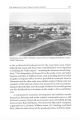
Show C H A P T E R 1 0 T. DUCHESNE COUNTY ECONOMICS: THE 1960S TO THE 1990S he backbone of Duchesne County's economic development is its natural resources: water, land, oil, minerals, and timber. Because of this, the county's economic development is greatly influenced by national economic trends and, especially in the last half of the twentieth century, by international political and economic developments. Although the county is rich in many natural resources, it lacks capital to fully develop them. As much as the county residents pride themselves on being self-reliant, rugged individualists, willing to work hard; many economic developments of the county have come to rely on outside financial assistance, including direct or indirect state and federal government financial aid. A primary example of federal financial aid is the construction of the Upalco Unit of the Central Utah Project. As it was originally planned in 1956, the Upalco Unit was to impound 19,900 acre-feet of water annually for irrigation, municipal, and industrial use. Millions of government dollars have been spent on reclamation and irrigation projects in the county since the turn of the century. During the Depression there were cattle buyouts and other federal programs such as the CCC, WPA, and the 336 DUCHESNE COUNTY ECONOMICS: THE 1960s TO THE 1990S 337 Rural Electrification Administration that provided relief and encouraged economic development. Since World War II crop subsidies have been common.1 From settlement times to the Great Depression and through World War II to the 1960s the county experienced economic fluctuations. Through these economic changes, the average personal income in the county remained below the state average. Industry and big business have not located in the county during most of its history. For more than one-half century agriculture on small land holdings has been the mainstay of the county's economy. County farmers and ranchers have become more experienced, more aggressive, and have adopted advanced agricultural methods to survive in a very competitive world. No longer can a million dollar investment be run without a keen business sense and up-to-date methods in every facet of agriculture. Important to the change in agriculture is its labor force. As the children of Duchesne County farmers have graduated from the local high schools, many have left the country for better employment opportunities. Unless their fathers were ready to retire, there was little opportunity for children to assume the family farm or ranch. For much of the last forty years the existing non-agricultural job market has been unable to absorb the excess labor pool. Some county residents have opted to take poorer paying jobs in order to stay in the region rather than leave for better employment elsewhere. Some who have left have found ways to return to take up residence again in the county. Changing Agriculture In the 1970s, a newly inspired economic optimism was generated by the oil boom in the county. However, this optimism laid the foundation for economic disappointment for many in the county later. For some farmers and ranchers newfound wealth came from oil that was being pumped from their land. Flush with capital for the first time, many moved rapidly to acquire more land even as land prices were on the rise. Some farmers and ranchers doubled or even tripled their land holdings. The sharp escalation of land prices led many to believe that the trend would continue indefinitely. Other county 338 HISTORY OF DUCHESNE COUNTY Early oil exploration and drilling in the Uinta Basin, 1913. (Uintah County Library-Regional History Center, Neal Collection) farmers negotiated loans to expand their farms with land that came available as elderly farmers retired or died. Collateral for the loans was based on rapidly rising land prices. Farm land sold in the late 1960s for between $300 and $400 an acre; by the mid-1970s area farm land was selling for $1,000 to $1,500 an acre. Smaller pieces of land sold for as much as $3,000 an acre. Some of the older farmers and ranchers sold out as land prices continued to rise; however, when oil-royalty checks doubled and even quadrupled other farmers' incomes in the 1970s many looked to buy yet more land. Consolidation of some smaller farms took place. Overall, the number of farms in the county declined from 635 in 1964 to 534 in 1974. Ironically, although there was some consolidation, the average size of farms in the county was reduced. In 1964 the average size of a county farm was slightly under 822 acres; ten years later, the average size was less than 742 acres. The amount of land farmed dropped from 521,806 acres in 1964 to 396,025 acres in 1974.2 Inflation and interest rates soared during much of the decade of DUCHESNE COUNTY ECONOMICS: THE 1960s TO THE 1990s 339 the 1970s, placing an increased financial burden on many farmers in the county. The inflation rate in 1967 was at 3 percent; seven years later it climbed to 12 percent and would remain in double digits for the remainder of the decade. The high cost of machinery was also crippling; to try to stay competitive many farmers purchased bigger and better equipment. In 1970 an average tractor cost about $8,000, a bailer $3,500, and a swather $6,000. Most farmers hauled their hay by hand without a bail-wagon. In the 1990s, if a farmer was to purchase the same size and quality of equipment, a tractor would be about $18,000; but most farmers would increase the size of their tractor and purchase a four-wheel-drive tractor, which brings the average cost to $40,000; a bailer's cost is $14,000, and swather $35,000. Most farmers now use bail-wagons to pick up the bales of hay, with a cost of $20,000 for the wagon.3 To meet their debt obligation county farmers raised more cattle and milked more cows at a time when prices were unstable. As with cattle and milk prices, hay prices also fluctuated. Even with the consolidation of some of the smaller farms and the purchase of more land, most farmers lost money raising hay in the 1970s; as a result, many continued to carry a heavy debt through much of the 1970s. It was not until the 1980s that hay producers in the county approached the break-even mark. The average price per ton of hay in the 1970s was about thirty-five dollars; during the 1980s the price of hay ranged from about sixty dollars a ton to more than eighty dollars a ton.4 Between 1982 to 1985 area land prices fell. As land values fell, so too did beef and milk prices. Statewide, the price per head of cattle dropped from $505 in 1980 to $395 in 1985 and 1986; it then made a steady climb to over $660 by 1991.5 To maintain the same income, county farmers and ranchers were forced to expand their operations by buying more land and often incurring a larger debt load. As a result, many county farmers had a debt greater than the combined value of their land and machinery. Some of the county's farmers did not economically survive. The number of farms in the county continued to decline-from 534 in 1974 to 465 in 1982. Some farmers sold out to avoid foreclosure or auction. Some of the farmers continued farming only because they 340 HISTORY OF DUCHESNE COUNTY were fortunate to have other incomes from oil royalties or a second job. During the remainder of the 1980s the average size of farms slowly increased. In 1987 there were approximately 658 farms in Duchesne County, with an average size of 486 acres. Roughly thirty percent of the average farm, or about 149 acres, was irrigated. In 1987, 38 percent of the farms in the county were less than 100 acres and 39 percent of the farms were larger than 260 acres. A total of 320,446 acres were being farmed in 1987.6 In 1992 there were 733 county farms, with a total of 399,011 acres being farmed. The average farm in the county presently is just under 500 acres. When the price of stocking it with cattle and the cost of farm equipment and machinery is added in, the average investment is about $600,000 at 1994 prices.7 More land is being farmed today than when the Uintah Indian Reservation was opened to homesteading in 1905. Mechanization, the development of irrigation, and improved markets have significantly contributed to the increased size of farms in the county. As discussed in previous chapters, farmers in Duchesne County have moved away from growing a variety of crops and are now concentrating on livestock and growing hay and silage for their livestock. The consolidation and expansion of farms, the climate, and market forces all have significantly contributed to this shift. In 1959 there were only 35,530 cattle (beef and dairy combined) raised in the county. The 1992 census of agriculture showed 103,443 beef cattle, 4,600 milk cows, and 65,645 sheep in the Uinta Basin. The annual market value of agricultural products sold in the basin is about $38 million.8 In 1987 cattle production accounted for nearly 60 percent of the agricultural income of the county, followed by dairying at 24 percent, sheep (lamb and wool) at 6 percent, hogs less than 0.5 percent, and other livestock about 1.5 percent. Hay and silage accounts for only 6 percent of the agricultural income, and the other agricultural crops account for less than 3 percent.9 The average farm in the county presently has 35 percent of its land in alfalfa, 5 percent in grains, and 60 percent in pasture. In 1992 county producers of livestock, poultry, and livestock DUCHESNE COUNTY ECONOMICS: THE 1960s TO THE 1990s 341 products received more than $19 million for their agricultural commodities, placing the county eighth in the state in that category10 Agricultural commodity prices received by county producers closely paralleled prices received elsewhere in the state. Prices paid farmers for milk, beef, lambs, and hay have not increased in terms of real dollars during the past twenty years. Milk prices twenty years ago averaged around nine dollars per hundredweight. In November 1994 milk prices had climbed to $11.90, but, as a result of static prices in real dollars, farmers have had to increase yields through increased efficiency in order to survive.11 According to Ronald Peatross, in 1970 at 80 cents per pound and 500 pound shipping weight, it took 13-18 calves to pay for a new four-wheel-drive truck that cost $5,000-7,000. In 1994, with calf prices somewhere near the same, it takes 67 calves to purchase an equivalent four-wheel drive pickup, which now costs $27,000.12 This same trend holds true for sheep producers. Lamb prices in 1994 were sixty-eight cents per pound, and wool sold for fifty-three cents a pound, virtually the same as twenty years ago. In 1966 Alton Moon, a prominent sheep and cattle rancher, sold his wool for sixty-one and one-half cents per pound in the county. He recalls, "Twenty-five years ago there was probably ten to twelve herds of sheep going on the winter range south of Myton. Now there are only three."13 Sheep herds, unlike those of cattle raisers in the county, have not significantly increased in size from those of several years ago. Along with increased production costs and inflation during the past twenty years, farmers in the county faced another serious problem- drought. Between 1979 and 1994 the Uinta Basin received about 20 percent less rainfall than normal. The 1991 growing season was particularly difficult for many farmers in the Upper Country as well as in the Neola and Roosevelt areas. Some drought relief was obtained from the federal government. Many farmers in these areas have become disenchanted with the Central Utah Project, portions of which have yet to be completed. They hope that the replacement projects will make the needed difference in getting water to all county farmers in years of shortages. One of the small yet significant businesses in the county is Yack Honey, a small family-owned business recognized for its quality 342 HISTORY OF DUCHESNE COUNTY honey. The same alfalfa and clover fields that brought brief prosperity to a number of farmers in the county with the seed industry in the 1920s and early 1930s provided the necessary ingredients to produce some of the finest honey known. The business was started by Frank and Joe Yack (Yaklovich) in the 1930s, and it is now run by the second generation of family members. Members of the Yack family immigrated to the United States and the Intermountain West near the turn of the century. Several male family members took up jobs in the coal mines of Wyoming, Colorado, Montana, and Utah. George and Frank Yack eventually settled in the Uinta Basin, George as a homesteader.14 Yack Brothers honey has won prizes for color and flavor at the Utah State Fair for a number of years. When Pete Harmon, Utah's first franchisee of Colonel Sanders Kentucky Fried Chicken, began his restaurant in Salt Lake City in 1951, Harmon used Yack Brothers honey with his homestyle biscuits and remained one of Yacks' best customers until the franchise rights in Utah were sold.15 Oil Boom As discussed earlier, oil became an important element in the county's economy in the 1970s. As early as 1917, county residents were excited with the prospects of oil being developed in the Uinta Basin. In the early spring of 1917, the Roosevelt Standard reported that as many as six different companies were planning to drill for oil during the summer.16 However, the oil excitement was short-lived when the oil companies failed to make an appearance. During the next several years the Standard's headlines made wild claims about oil possibilities including "Mountains of Oil in the West," "Riches In Oil Shale," and "The Uintah Basin is the Greatest Underdeveloped Oil Field in the West."17 But no drilling took place. In the 1920s Earl Douglass, the famed paleontologist who discovered a cache of dinosaur bones in what is now Dinosaur National Monument, spent considerable time and effort touting the oil potential of the Uinta Basin. An oil well was first drilled in Duchesne County in 1928, but there was no follow-up drilling for twenty-one years. Elsewhere in the Uinta Basin a few oil holes were drilled, but as the Depression deepened drilling ground to a halt. Again in the 1940s, with the outbreak DUCHESNE COUNTY ECONOMICS: THE 1960s TO THE 1990s 343 In the early 1970s oil production boomed in the Uinta Basin and brought a decade of economic growth followed by a bust in the mid-1980s. (Utah State Historical Society) of the war, there was some excitement that oil drilling would add jobs and augment the agricultural economy of the county; however, it was not until 1949 that serious oil exploration took place and the Roosevelt oil field was developed. In 1955 limited drilling had begun in the Bluebell field, but this brought little follow-up drilling for another fifteen years.18 Then, in 1970, Miles No.l Well was drilled in 344 HISTORY OF DUCHESNE COUNTY the Altamont/Bluebell oil field. The success at Miles No. 1 and the growing oil crisis overseas stimulated a full-blown oil boom in the county. The discovery of large quantities of oil excited the entire county about the possibilities of the oil industry and the potential wealth it would bring to the area. No other segment of the county's economy has had such wide swings as has oil. Nationally and internationally the oil market has gone from scarcity to glut, and the prices of oil have reflected those extremes. By 1978, the Greater Altamont/Bluebell field produced 33,607 barrels of oil daily, which amounted to 39 percent of the oil produced by the state. This percentage dropped as drilling in the 1980s extended to additional counties in Utah.19 Oil exploration and production in the Uinta Basin and elsewhere in the West increased significantly in 1973 when the nation and most of western Europe felt the sting of the oil embargo established by the Organization of Petroleum Exporting Countries (OPEC). Oil speculation and development in the county reached unprecedented proportions during the next several years. The decade of the 1970s saw boom times in most of the oil-producing states: Texas, Alaska, Oklahoma, Colorado, Wyoming, Montana, and, to a lesser degree, Utah. Utah is not usually thought of as an oil state, and the Uinta Basin is the major exception. Additional limited drilling has occurred in several other counties in the state. Overnight, high-paying jobs became available in the county. Scores of drilling rigs moved into the area and hundreds of new jobs were created, some in the public sector, such as in education and road construction, and others in the private sector, including the establishment of new commercial businesses and oil-field support services. The increased demand for shopping, eating, and housing facilities and services dramatically impacted the area and each was being stretched to fill the burgeoning needs. As a result of the oil boom, the county's population increased from 7,299 in 1970 to 12,537 in 1980-a 58 percent increase. Large numbers of men were hired as roustabouts, as construction workers, in related services, in trucking companies, building pipelines and pump stations, and in building a refinery in Roosevelt. Real estate prices doubled in just a few years and then continued DUCHESNE COUNTY ECONOMICS: THE 1960s TO THE 1990s 345 to rise due to the inflation and high interest rates of the 1970s. Sales of mobile homes boomed. Grocery stores and restaurants added new shifts, and many built additions to accommodate the growing needs of the county. Many new businesses were started. Teachers were added to meet the growing enrollment of students. More professional services-doctors, lawyers, realtors, and insurance personnel-were in demand with the increased population. The county accounted for 18 percent of the state's total oil production in the 1970s.20 In the period of the last thirty-five years, the state's oil production peaked in 1974 at 39.36 million barrels, with an estimated value of just over $1 billion. The greater Altamont-Bluebell Duchesne Field reached 12.26 million barrels in 1978. The cumulative production total through 1978 for the greater Altamont-Bluebell field was 115.14 million barrels, making it the second-largest oil field in the state.21 The Utah Division of Oil, Gas, and Mining reported forty-six new wells in the county in 1981, five of which were dry holes.22 The Utah Energy Office also reported that there were 367 oil and natural gas wells in the county, ranking it third in the state behind Uintah (672) and San Juan (619) counties. Duchesne County was second in the state in the production of oil for 1981, producing over 7.7 million barrels; San Juan County remained the leader in the state, producing over 8.1 million barrels in 1981. The Greater Altamont-Bluebell field located in Duchesne and Uintah counties led all oil fields in the state in oil production with nearly 7.6 million barrels. 23 By the middle of the 1980s several dozen energy companies were actively involved in Duchesne County. They included AFE Management Ltd. of Canada; TCPL Resources; Japex Corporation; Stauffer Chemicals; International Goldfields; Utex Oil; Chevron; Bow Valley Petroleum; and Proven Properties, Inc., owned by Pennzoil Company. A huge percentage of the world's oil reserves is locked in sand and shale deposits. In the Uinta Basin lies a wealth of yet untapped oil-shale oil. The Arab oil embargo of the 1970s prompted an effort to develop the oil shale, most of it located in Uintah County. In 1980 President Jimmy Carter created the Syn Fuels Corporation to pro- 346 HISTORY OF DUCHESNE COUNTY mote the extraction of oil from shale and tar sands. This oil, though as pure and refinable as any other, was far too costly to extract to be competitive on the open market and five years later the project was terminated. The region's large oil shale deposits must wait for another time to be fully developed. When they are developed, Uintah and Duchesne counties will doubtless experience a rapid expansion of the local economy similar to that of the oil boom of the 1970s. As the oil boom struck the county quickly, so too did the oil bust develop rapidly. A drop in international oil prices changed the economic structure for drilling and developing Uinta Basin oil. Beginning in 1985 the price of crude oil fell in just a few years to twenty dollars a barrel from a record of nearly forty dollars a barrel. Just as the international oil market brought about the conditions that resulted in the oil boom, so too did it contribute significantly to the bust. In 1985 several member nations of OPEC reshaped the oil market with overproduction, causing an oil glut in the international market. The relatively high production costs associated with Duchesne County oil severely reduced new oil drilling in the county. In 1984, 37.9 million barrels of oil were produced in the state; in 1988, production had declined to about 33 million barrels. However, the value of that oil was significantly different. The 1984 oil was valued at more than $1 billion while the 1988 oil production, while only 4.88 million barrels different, was valued at only about $470 million-less than half-due to the decline in oil prices.24 The total number of rigs drilling in the county plummeted as petroleum companies cut back their exploratory activities. Many workers lost their jobs and a devastating ripple effect set in as oil and service companies, restaurants, retail stores of all types, banks, real estate companies, city and county governments, schools, and social service agencies were all impacted by the oil price drop. Surcharges and fees imposed by the state and federal government coupled with high drilling costs made oil exploration and production less profitable in the county. For example, in 1994 the average cost per foot for drilling for oil in Utah was $87.68; the national average was $67.87. Drilling costs are higher in Utah than in any onshore state except Alaska and Louisiana.25 DUCHESNE COUNTY ECONOMICS: THE 1960s TO THE 1990s 347 Uinta Basin crude oil also has another element which causes higher than average costs for its production and shipping-it contains a high percentage of wax, which requires that the crude oil be heated during the winter months in order for it to flow. This adds to the overall cost of production. The high production costs of oil forced large international oil companies such as Shell, Gulf, and Chevron to sell their local oil fields to smaller companies including Linmar and Keystone. By 1986 new oil drilling in the county was nearly at a standstill, and by 1992 only forty-four new wells were being drilled in the county.26 Many oil-field service companies were forced to leave the county; some filed for bankruptcy, leaving many local businesses financially impaired. The downturn of the county's oil industry coupled with a winding down of the construction of the large water reclamation projects in the west end of the county resulted in a countywide economic recession. The total gross taxable sales and use-tax in Duchesne County demonstrate the extent of the recession. The $134,586,446 gross taxable sales in 1984 was recorded at the peak of the county's growth. Four years later, the figure had fallen to $71,468,095-a 53 percent decrease.27 Homes sales also dropped. In 1978, for example, a typical newly constructed house sold for $65,000; by 1987 the price of those houses dropped to between $20,000 and $30,000. Many houses were abandoned as bankers and mortgage companies were left with vacant houses and a housing surplus. In 1985 there were only sixty-seven new dwelling-unit permits granted for the county. In Duchesne City there was not a single new home built between 1988 and 1992.28 There were virtually no new housing starts in the county during this five-year period. The rapid decline in oil exploration and production left the county financially strapped. Concerned with the heavy tax burden incurred during the early 1980s, county officials turned to the state for relief. In a political battle that many throughout the state thought futile, the gas and oil industry got a much-needed tax break for new and existing wells. As oil prices fell it simply was not worth the oil companies' time and effort to keep local wells producing while paying high taxes to the state. 348 HISTORY OF DUCHESNE COUNTY State Representative David Adams along with Representative Beverly Evans from Mt. Emmons, Representative Dan Price from Vernal, and State Senator Alarik Myrin from Altamont joined their legislative efforts in 1990 to pass House Bill 110, providing a tax waiver based on the international price of oil and tax exemptions for oil-producing regions of the state, including Duchesne County.29 The bill also provided incentives to stimulate existing well production and promote new drilling. The free fall of the county's economy was halted with the passage of House Bill 110. The local housing market was revitalized in the months that followed. By 1993 and 1994 real estate prices had increased by as much as 40 percent and the total number of real estate sales approached the high mark of 1985.30 A part of the revitalization of the housing market in the early 1990s was fueled by social concerns elsewhere. Perhaps the greatest number of new people to the county came from California, many of whom found it easy to pay cash for their houses. A typical house in California sold for over $200,000, and a similar house in the Uinta Basin could be purchased for $44,000. This subtle growth in the county's economy was not dependent solely upon extractive uses of the land. The economic growth is less volatile and is much more stable. Wages and salaries in the mid-1990s are not as high as they were in during the earlier oil boom, but they are higher than they were immediately following the oil slump. Post-High School Education In a recent statewide study, counties with the highest percentage of college graduates per capita were Cache, Salt Lake, Summit, Utah, Davis, Box Elder, and Washington. The lowest percentage of college graduates was found in Beaver, Tooele, Piute, Emery, Uintah, and Duchesne counties. In the same study, the seven highest and lowest counties per capita were computed related to state welfare assistance. Those counties with the highest number of college graduates had the lowest percentage of welfare recipients, and the counties with the lowest number of college graduates had the highest percentage of welfare cases.31 For a number of years prior to World War II, the Uintah Basin DUCHESNE COUNTY ECONOMICS: THE 1960s TO THE 1990s 349 The pristine beauty of the Uinta Mountains offer some of the best hunting and fishing in the state. (Utah State Historical Society) Industrial Convention and the extension program of Utah State Agricultural College filled part of the area's needs, especially when it came to agricultural education and improvements. Since the end of World War II, however, education and post-high school educational opportunities have been seen as vitally important to the economic development of the county. The geographical isolation of the Uinta Basin has had a signifi- 350 HISTORY OF DUCHESNE COUNTY cant role in its lack of educational opportunities. The establishment in Price of Carbon College (later renamed the College of Eastern Utah) in 1938 by the state provided some opportunity for qualified students from the county to continue their education closer to home; yet this opportunity was limited. A year later, Rulon V. Larsen, Republican House representative from the county, and George V. Billings, Democratic senator from the county, introduced legislation to create a junior college in Roosevelt.32 Local newspapers expressed a great deal of excitement, but in the end the proposal was vetoed by Governor Henry H. Blood, as was a similar bill to create a junior college in Sevier County.33 A second attempt to establish a junior college was launched by Uintah and Duchesne counties in 1959. In Duchesne County one of the groups that supported the idea of a junior college was the Roosevelt Chamber of Commerce. Its chair, Cliff Memmott, held a number of community meetings to bring together the county's interests in a junior college. After great effort on the part of the legislative higher education committee chaired by Dr. R.V. Larson of Roosevelt, and with the strong support of state representative Bennie Schmiett and Glen Hatch of Heber City, a bill was passed for a junior college and approved by the governor. However, no funds were appropriated for the college. During that same legislative session, the Coordinating Council on Higher Education was created. Its function was to coordinate the direction of higher education in the state. Nearly a decade later, however, it would snuff out the county's dreams of a junior college. Many feel that the coordinating council during much of its life failed to fully function as the legislature had intended. For the next several years hopes ran high, but funding failed to gain legislative approval even though the college had been authorized.34 Meetings were held and studies conducted to convince the state legislature to fund a college in the Uinta Basin. The economic vitality of the basin rested in part on its having a well-educated public, yet fewer than 25 percent of Duchesne County high school graduates were going on to some type of post-high school training. In 1967 State Representative Daniel Dennis of Roosevelt introduced yet another bill to fund the earlier-authorized creation of DUCHESNE COUNTY ECONOMICS: THE 1960s TO THE 1990s 35J_ Roosevelt Junior College, and $300,000 was appropriated for the new junior college. Political pressure came to bear on Governor Calvin Rampton not to sign the funding bill, however. Newspapers along the Wasatch Front were opposed to the college, arguing that it would be a big mistake if the governor signed the bill. On 16 March 1967 the Uintah Basin Standard announced that Governor Rampton had signed the bill appropriating $300,000 for the Roosevelt Junior College. Rampton placed a provision on the bill, however; funds for the college would not be released for a year. During that time, the Coordinating Council on Higher Education was to study the situation and issue its recommendations to the governor. The coordinating council and local supporters acted quickly. By April the Uintah Basin Junior College Committee was organized. It was chaired by Hollis G. Hullinger, with an executive committee composed of Daniel Ennis, D. Blayne Morrill, Alva Snow, Francis Wyasket, Arvin Bellon, Ed Emmons, Merrill Millett, and an advisory committee composed of nearly forty citizens from the community.35 However, there was growing competition of interests in Duchesne and Uintah counties over post-educational opportunities. Both county school districts had made applications to establish vocational education institutions. The Uintah County School District was fearful that if it didn't apply for federal funds for a vocational school it would be at least six years before such an opportunity would present itself again. The Duchesne County School District was equally fearful that if it didn't support the idea of a vocational school the message might be sent to the state legislature that it was not fully supportive of a junior college. The question was raised whether the basin could support both a junior college and a vocational education institution. Following a two-day on-site review and meetings by the Coordinating Council on Higher Education in April, the council decided unofficially to recommend the establishment of a "teaching station" rather than a junior college. It argued that the station would be less costly, would provide a broader curriculum, and that it would be managed by Utah State University. The unofficial announcement was met with mixed feelings. The editor of the Uintah Basin Standard wrote: 352 HISTORY OF DUCHESNE COUNTY Cattle grazing on public lands is a multi-generational way of life for Duchesne County ranchers. (Utah State Historical Society) As we look over the past two months, it is heard [sic] to realize that such a turn of events could be perpetrated right under our nose, while we were so trusting and naive to believe that someone had our interest at heart. We were lulled to sleep by the soft music of promises and reassurances, then the bed was kicked out from under u s . . . . The law as passed, establishing and financing a junior college in the Uintah Basin, stipulated that the school should be established and supervised by the state school board. This, we feel, should done NOW!36 By the summer of 1967 the coordinating council had officially made its recommendation. No junior college was to be established in the Uinta Basin. Instead, it recommended that an extension branch of Utah State University be located in Roosevelt and that the first classes be offered beginning in the fall of 1967. In July, officials at Utah State University, w i t h the approval of Governor Rampton, moved to establish a branch of the university in Roosevelt. Delbert Purnell was h i r e d as c o o r d i n a t o r for what became known as the DUCHESNE COUNTY ECONOMICS: THE 1960S TO THE 1990s 353 Uintah Basin Center for Continuing Education. Purnell previously had been county agent in Sanpete County and at the time of his hiring was working towards a doctorate in education. The speed with which Utah State University moved to establish the Uintah Basin Center was encouraging to many in the county, and county residents were encouraged to support the Uintah Basin Center. The editor of the Uintah Basin Standard stated: We are on the threshold of a great opportunity. We can either bow our heads and say, "That [the Uintah Basin Center] isn't what we wanted! Give us a full junior college!" Or we can push open the door which has been placed before us, and build on our opportunities. 37 The extension center began in a small one-room office. Classes were held in high school and junior high school buildings in the evenings, with professors flown in from Logan. During the next few years two resident teaching faculty members were added, Bruce Goodrich in mathematics and Nels Carlson in theater arts. Classes and degree offerings were expanded. An innovative program pioneered at the school in Roosevelt was concurrent enrollment. It took general education courses to the local high schools and offered seniors the chance to begin their collegiate studies, thereby giving many qualified students a head start. This instilled confidence in many students that they could perform on a college level. The Uintah Basin Center provided educational opportunities for many adults who otherwise could not go to college. Local school districts had a hard time filling teaching positions with qualified people; few teachers were willing to move to the basin and make it their permanent home. The turnover rate of teachers was alarmingly high. Now county residents who loved the area, armed with a Utah State University degree, could apply for local teaching positions and help stabilize the district. Many adults enrolled at the center, which has changed the lives and educational opportunities of many residents of the county. The growth and identity of the USU extension center reached a significant milestone in 1989 with the dedication of a new 25,000- 354 HISTORY OF DUCHESNE COUNTY square-foot office, administrative, and classroom building in Roosevelt. Funding for this project was obtained from a state Community Impact Board grant. Roosevelt City, Duchesne County, and Uintah County combined their efforts to secure the grant. With the building's completion, area residents had more visible evidence of the university's presence in the community. Two years later, a 40,000-square-foot building was purchased in Vernal, which more than doubled the classroom and office space available for the USU extension program in the Uinta Basin. And, in 1993, with a generous donation by First Security Bank, an additional building was purchased in Roosevelt for an administration building. In 1994 the Utah Board of Regents approved a name change for the institution to Utah State University Uintah Basin Branch Campus. Presently the Uintah Basin Campus serves more than 1,100 students a quarter. There are about 230 courses taught per term, and there are over twenty full-time faculty employed. Distance education through computer and television classes accounts for about one-third of all courses taught, a number that will likely grow as technology advances. Planes still deliver professors three or four nights a week, and qualified adjunct instructors augment the teaching at the campus. Utah State University Uintah Basin Campus offers four associate degrees, sixteen bachelor's degrees, and eight master's degrees. The local economic impact of Utah State University Uintah Basin Campus is significant. At present over 50 percent of high school graduates in the county continue on to some type of post-high school training. The average cost per year of schooling away from home- tuition, fees, books, room, and board-ranges from $6,500 to $9,000. Local students who stay home and attend the school can do so for $2,500. In the 1993-94 school year there were 155 college freshmen who stayed in the basin to attend college, saving their families hundreds of thousands of dollars total on higher education costs. Many of these families could not afford to send their children to college were it not for the Uintah Basin Campus. Since the establishment of the campus in 1967 the number of college-bound students has increased steadily, as has the number of college graduates from the county. With the educational opportunities presently available and the increasingly educated local work force, DUCHESNE COUNTY ECONOMICS: THE 1960s TO THE 1990s 355 county and city officials hope to attract more corporate and industrial jobs to the area. The technological education needs of the Uinta Basin and Duchesne County are met by the Uintah Basin Area Technology Center (UBATC). In 1969 the state legislature approved funding for a vocational center to be built near Union High School to assist with the vocational needs of high school students. Duchesne County School District donated land just south of the high school, and a building was completed in 1970. In 1977 a 79,000-square-foot building was completed at a cost of over $2 million. It too was funded by the state legislature. With the completion of the new building, the role of the technology center was enlarged to serve the educational needs of adult learners not seeking degrees as well as providing vocational high school classes. In 1988 the name of the center was changed to the Uintah Basin Area Technology Center, and in 1993 an additional wing of 23,000 square feet was completed. Presently the UBATC serves more than 1,000 students and offers over twenty-five programs including farm management, diesel mechanics, six different business programs, a licensed practical nursing program, emergency medical technician certification, auto mechanics, computer-aided drafting, welding, cabinetry, hazardous materials training, petroleum technology, and machine manufacturing programs. The technology center contracts with Duchesne County School District to run the adult education program. Special programs and services offered at UBATC include a basic skills (GED) program, regional test assessment, a small business development center, and day care for children. Educational telecommunications broadcasting for the Uinta Basin originates from the studio at the technology center. This up-to-date telecommunications studio utilizes both microwave and fiber-optic transmissions. UBATC, working closely with USU and the Duchesne County School District, gives educational opportunities to the county's residents that are many times enhanced from what was possible just a few decades ago. Many individuals now can get the education and training to enable them to seek the more highly paid skilled jobs that were closed to them in the past.38 356 HISTORY OF DUCHESNE COUNTY Economic Impact of the Central Utah Project Duchesne County residents, and in particular those in the city of Duchesne, have been direct beneficiaries of the Central Utah Project. The Bureau of Reclamation mobile-home camp in Duchesne City housed nearly 100 full-time employees for more than a decade. Many of the technical jobs were filled by people transferred to the Duchesne Bureau of Reclamation office; however, a significant number of the jobs went to residents of the county. Population in the city of Duchesne increased from approximately 800 in 1966 to 1,300 three years later with the influx of Bureau workers and construction crews and their families. School enrollment nearly doubled in that time. In 1977, $200,000 was paid by the Bureau of Reclamation to construct additions to the elementary, middle, and high schools in Duchesne City. From the mid-1970s until closure of the camp and offices in 1988 nearly $40,000 a year was allocated by the Bureau of Reclamation to supplement teacher salaries in the county school district. The establishment of a project office and the arrival of dozens of Bureau of Reclamation workers and their families also placed a great deal of strain on the public utilities and social facilities of Duchesne City. To mitigate the impact, the Bureau agreed to help with a new sewer system, a new water-treatment plant, and recreational opportunities for the community. It assisted in building a community swimming pool and bowling alley. These facilities were turned over to the city to manage.39 The county's share of repayment to the government for the CUP from 1968 and 1978 was $943,543. However, the county recouped this expenditure from the jobs the CUP created, the purchase of goods and services by Bureau employees and construction workers, and the money spent by approximate 100,000 visitors to the newly established Starvation State Park. The completion of the various CUP projects greatly enhanced the outdoor recreational facilities in the county and has had a significant positive economic impact on the county. Fishing and boating opportunities in 1977 drew 106,247 visitors to Starvation Reservoir. That number declined in the late 1980s and early 1990s due to a DUCHESNE COUNTY ECONOMICS: THE 1960s TO THE 1990s 357 Utah State Univerity Uintah Basin Branch Campus and the Uintah Basin Area Technology Center offer several degrees and programs that assist in the overall economic development of the region. (lohn D. Barton) decline in the quality of the trout fishing coupled with poor maintenance of the facilities. However, with the introduction of walleye and bass to the reservoir by the Utah Fish and Game Department, fishing has improved and fishermen and other visitors are returning to Starvation Reservoir. Newly improved recreational facilities also make coming to Starvation more attractive, and more than 100,000 people came there in 1994.40 In 1988 the last major CUP project in the county, the Upper Stillwater Dam, was completed. The Bureau of Reclamation pulled out of the county, leaving a small crew to maintain its various projects. As mentioned, the withdrawal of construction workers coincided with an already serious economic turmoil in the county-the local oil bust. County revenues and budget were increasingly tight and the unemployment rate skyrocketed. Unemployment rates have continued to run high for the past two decades. Unemployment in the county fell from 10 percent in 1970 to less than 5 percent in 1972. It continued at about 5 percent until 1980, when it rocketed to 13 percent between 1981 and 1983. In 1985 358 HISTORY OF DUCHESNE COUNTY the county's unemployment rate stood at 10.5 percent, eighth highest in the state. (Juab County's unemployment rate was the highest in the state at 15.5 percent.) In 1987 unemployment rose to a peak of 16.4 percent during the county's economic recession following the oil bust and the winding down of construction of CUP projects in the county. The state average unemployment in 1987 was 6.0 percent. The state unemployment rate for 1987 was 6.4 percent.41 County unemployment declined to 10.6 percent in 1989 and to 7.5 percent in 1990; it then remained near that rate for the next four years. In 1994 unemployment fell to just below 7 percent.42 Recreation and Tourism A resurgence of travel and outdoor recreation occurred following the end of oil crisis of the 1970s. Duchesne County has benefited from this and from the completion of various CUP projects, the changing focus of the U.S. Forest Service to promote recreational opportunities, and the promotion of the state's natural wonders. The Uinta Mountains include some of the classic wilderness and recreational areas in the West. With better access roads to trailheads and new public campgrounds and parking areas at some of the sites, Stillwater, Rock Creek, Moon Lake, Yellowstone and Uinta canyons are experiencing increased usage each year. The Uinta Basin offers some of the finest fishing and hunting in Utah. Each year greater numbers of hikers and horsemen visit the Uinta Mountains. By 1983 recreational use of the national forests in Region 4 of the United States Forest Service (which includes Duchesne County) eclipsed timber and grazing uses.43 In 1994, 70,000 visitor days, figured as one person spending a twelve-hour day, were spent in the forest in the county, which computes to 140,000 individual visitors.44 In Duchesne County there are approximately 2.1 million acres of land. The U.S. Forest Service manages about 35 percent, the Ute Tribe owns 18.8 percent, and the BLM manages 9.7 percent; only 28 percent of the county is privately owned.45 With a large segment of the county owned by the public, it makes sense for county residents to focus on the newly evolving economic activities of outdoor recreation and tourism to create income rather than to weep over a diminished tax base from non-taxable lands. DUCHESNE COUNTY ECONOMICS: THE 1960s TO THE 1990s 359 The U.S. Forest Service in lieu of taxes pays the county about fifteen cents per acre of land it manages, or about $105,00 annually for the more than 700,000 acres of forested land. In addition to in-lieu payments, the Forest Service also pays the county 25 percent of all receipts collected from grazing permits, mining leases, oil and gas leases, and timber sales.46 These revenues then are respent several times in the county, adding to the county's economy. For example, there are nearly sixty grazing permits in the Roosevelt and Duchesne forest districts. The cattlemen pay about two dollars a month per cow/calf unit. However, the cattlemen generate a living from those cattle that graze on forest land and put many times the two dollars per month into the local economy. The same is true with timber sales. The trees are felled and hauled, logs are cut into boards and sold, and men are employed as a result of the resource coming from the forest. There is only one sawmill in operation in the county, located in Tabiona. Most of the timber cut in Duchesne County is hauled to sawmills in Uintah County.47 Statewide, tourist-related jobs have increased from 41,700 in 1981 to 69,000 in 1994.48 Duchesne County motel and hotel room rents collected $341,000 in 1981, and the figure grew to over $1 million in 1992.49 Still, the county remains near the bottom, ranking twenty-sixth of the twenty-nine counties in the state for gross room rents. Currently there are nine establishments that provide a total of 162 rooms in the county.50 Tourists and visitors who rent rooms are apt to buy gasoline and groceries from local merchants, which generates hundreds of thousands of dollars annually to the county's economy. In recent years several county residents have recognized the economic potential of the county's outdoor recreational possibilities. In 1988 Howard Brinkerhoff, an elementary school teacher living in Altamont who had a passion for fly-fishing and falconing, started a small fishing-guide business to the Uintas. He soon joined with Nick Stevenson's L.C. Ranch and Ned Mitchell's Dave's Ranch, both of which had private ponds ideal for the large-trout fishing needed to attract fishermen. From this merger Altamont Fly Fishers was born. Jim Beal, part owner of Novell Netware Systems, was enthralled with Brinkerhoff's idea for a business based on a 1990s concept of 360 HISTORY OF DUCHESNE COUNTY eco-tourism and nonconsumptive utilization of the outdoor wonders of the region. Together they turned Falcon Ledge Lodge into a reality in 1992. This ultra-modern destination resort offers world-class catch-and-release fishing and wing shooting that attracts sportsmen from all over the nation as well as a growing number of international customers. Falcon Ledge also provides a unique attraction-raptor hunting and observing. Brinkerhoff, an avid falconer, has an average of three or four raptors in residence at the lodge and additional falconers on call with unique and varied hunting birds including peregrine falcons, goshawks, redtailed hawks, and prairie falcons. The lodge is built with the most modern environmentally benign innovations, complete with passive solar design and biodegradable soaps. Beal's marketing skills include computer network marketing to attract high-profile customers such as film star Tom Selleck and professional basketball player Shawn Bradley. The purpose of Altamont Fly Fishers and Falcon Ledge Lodge is to bring to the region sportsmen who wish to enjoy without consuming the fauna of the area. Also available in the county is pheasant hunting on farms where the ecological concept is to raise and release more pheasants than the number that are hunted. Other recreational activities at the Falcon Ledge Lodge and elsewhere in the county are snowshoeing and crosscountry skiing. Currently, guided flyfishing costs are about $400 a day with a three-day minimum, and wingshooting is $800 a day with a similar minimum. Thus, this type of eco-business greatly adds to both the economy and quality of life in the region.51 Duchesne County's Finances The county's financial condition has experienced a rocky road since the bust of the oil boom and the winding down of the Central Utah Project. An additional problem was the Utah State Tax Commission's decision in 1992 to slice the taxable rates of oil wells. In 1992 this loss to the county of tax revenue from oil wells amounted to over $300,000-one of the single greatest blows to the county's coffers ever. Oil companies operating in the state were successful in lobbying the state tax commission to revise the method for figuring the taxing base of oil wells. This new method allowed oil DUCHESNE COUNTY ECONOMICS: THE 1960s TO THE 1990s 361 companies to discount the expenses of production (which are high in the Uinta Basin) before determining the profit margin and thus the taxes to be paid. For instance, if the cost of oil well drilling and pumping facilities such as tanks, pumps, and buildings is greater than the cash flow from the oil being pumped, then the well is taxed on only the property value of the oil well. In 1992 this taxation method reduced the property value of the county's oil wells by approximately 30 percent. Also, the tax commission not only lowered the rate but also made it retroactive to 1987. This not only reduced the income of the county but also required it to pay rebates to the oil companies for the excessive taxes collected. To make the tax picture worse in the county, the Bureau of Land Management in 1992 recalculated its in-lieu payments to the county and determined that it had overpaid the county by as much as $67,000. This required the repayment of the sum to the BLM. In 1995 the county secured a loan to pay the BLM for excess in-lieu funds received as well as to remit to the oil companies the excess taxes collected. The loss of collectable taxes has kept the county commission scrambling to provide the necessary services to county residents as well as keep its long-term commitments. For example, in 1993 the county's property tax declined by more than one million dollars, from $2.8 million in 1992 to $1.7 million. In recent years, the county commission has been forced to cut programs and services and to increase property taxes to the full assessed value. Of all the county services, perhaps the road department has been hit the hardest.52 The overall economic picture of the county is best measured by the individual financial status of its residents. The per capita personal income (PCPI) for county residents was only $235 in 1929-the second- lowest of any county in the state, Kane County residents being lower by only three dollars. In 1940 the PCPI for Duchesne County was $241, the lowest in the state. By 1950 the PCPI in the county had increased to $846, which was the fifth lowest in the state. Nineteen years later the PCPI was at $2,130, but was still in the bottom four counties statewide. In the inflationary years of the 1970s, which were also the boom years for the county, personal income rose to $6,262, ranking the county fifteenth in the state. In 1979 the average per 362 HISTORY OF DUCHESNE COUNTY capita income for Duchesne County residents was $6,514-nearly $1,000 below the state average of $7,407. In 1984 Duchesne County peaked with a PCPI of $9,083; it declined the next year to $8,689. For the most part, personal incomes in the county over the years have not matched the average personal income for the state. For example, in 1992 the per capita income in the county was $13,600 while the state average was $15,600.53 The oil boom with its new jobs and high wages did significantly raise the standard of living in the county. It has taken several generations, turmoil in the international oil market, and a heavy infusion of federal expenditures-the planning, construction, and management of the Central Utah Project-to lift personal income in Duchesne County to near the state average. In 1989 the median household income in the county was $23,653 ranking the county seventeenth in the state. The state median income for 1989 was $29,470. That same year, Duchesne County ranked fourth in the percentage of residents in poverty-18.7 percent for the county compared to the state average of 11.4 percent.54 In the last third of the twentieth century the county's population has steadily increased. In 1970 the county's population stood at 7,500; it then increased to a high of 14,500 in 1984. However, since 1984 the population of Duchesne County has fallen, levelling off at about 12,500 people.55 Of the 12,654 people residing in the county in 1990, 2.8 percent were Hispanic, 0.2 percent Asian or Pacific Islander, 4.9 percent Native American, and 0.1 percent black, the balance (about 92 percent) being white.56 The largest employer in the county in 1993-94 was the Duchesne County School District with over 400 employees, followed by Duchesne County Hospital with over 200 employees. Penzoil employed a few less than 200, followed by Duchesne County with around 150. No other single employer had more than 100 employees in the county.57 Total employment in the mid-1990s in the county is just over 4,000 jobs, with a current unemployment rate of about 7 percent. In 1993, new jobs were created in retail, construction, and government sectors. The total gross taxable sales from purchases in the county presently come to nearly $90 million.58 DUCHESNE COUNTY ECONOMICS: THE 1960s TO THE 1990s 363 Conclusion The economic story of Duchesne County is one of h a r d work and dedication to the land. F r om the time t h e first homesteaders came to the Uinta Basin in 1905 hoping to t u r n their dreams of farming and ranching i n to reality, their labor outpaced their economic rewards. However, most people who have spent their lives in the county would not live anywhere else. Having survived the boom-bust cycles of the past eighty-five years, a n d once again experiencing an economic rebound, most county residents are cautiously optimistic as they look to the future. ENDNOTES 1. See Upalco Unit: Central Utah Project Draft Environmental Statement (Washington, D.C: Bureau of Reclamation, 1979). 2. Rondo A. Christensen and Stuart H. Richards, Utah Agricultural Statistics Revised 1924-1965 (Logan: Agricultural Experiment Station, Utah State University, 1967), 20, 24; 1979 Utah Statistical Abstract (Salt Lake City: Bureau of Economic and Business Research, University of Utah, 1979), xv- 15,xv-16. 3. Ronald Peatross, interview with lohn D. Barton, 23 November 1994, Roosevelt, Utah, transcript in possession of the author. 4. 1991 Utah Agricultural Statistics (Salt Lake City: Utah Department of Agriculture 1991), 41. 5. Ibid., 53. 6. U.S. Department of Agriculture and Soil Conservation Service, Final Environmental Impact Statement; Uintah Basin Unit Expansion- Colorado River Salinity Control Program (Washington, D.C: U.S. Department of Agriculture, 1991), 14. Figures from the 1987 Census of Agriculture. 7. Statistical Abstract of Utah, 1996 (Salt Lake City: Bureau of Economic and Business Research, University of Utah, 1996), 302. 8. U.S. Department of Agriculture, Final Environmental Impact Statement; Uintah Basin, 21. 9. U.S. Bureau of the Census, U.S. Census of Agriculture, 1987 (Washington, D.C: U.S. Department of Commerce, 1988), 27-33. 10. Statistical Abstract of Utah, 1996, 304. 11. Mark Monson, 12 November 1994, Bluebell, Utah,. The Monson family has been in the dairy business for three generations in Duchesne 364 HISTORY OF DUCHESNE COUNTY County. When inflation is figured in for the past twenty years, the milk price has actually decreased. 12. Peatross, interview. 13. Alton Moon, interview with lohn D. Barton, Duchesne, Utah, 11 November 1994, transcript in possession of the author. See also Uintah Basin Standard, 26 May 1966. 14. For a brief history of the Yack family see From then Until Now: 75 Years in Central Uintah Basin, 1905-1980 (Roosevelt, UT: Ink Spot, 1987), 1033-34. 15. Lawrence Yack, interview with lohn D. Barton, Roosevelt, Utah, 9 December 1994, transcript in possession of the author. 16. Roosevelt Standard, 18 April 1917. 17. Roosevelt Standard, 24 September 1919; 10 March 1920; 23 March 1921. 18. See Beehive History 16:23; and George H. Hansen and H.C. Scoville, compilers, "Drilling Records for Oil and Gas in Utah," Utah Geological and Mineralogical Survey Bulletin 50 (February 1955). 19. Wayne L. Walquist, ed., Atlas of Utah (Provo: Weber State College/Brigham Young University Press, 1981), 211. 20. Ibid., 110. 21. Beehive History 16: 23; Walquist, Atlas of Utah, 211. 22. Utah Energy Statistical Abstract (Salt Lake City: Utah Energy Office, n.d.), 68. 23. Ibid., 174. 24. Vernal Express, 28 September 1994. 25. Ibid. 26. Ibid. 27. See Statistical Abstract of Utah, 1990, table 8. 28. Ibid., tables 12, 13, 17, 37. See also Gerald Wilkerson, interview with lohn D. Barton, 24 November 1995, transcript in possession of the author. 29. Utah House Journal, 1990 (Salt Lake City: State of Utah, 1991), 121; See also Utah Code Unannotated, Title 59, chapter 5, paragraphs 101 and 102; Beverly Ann Evans, interview with lohn D. Barton, 5 December 1994, transcript in possession of the author. 30. Wilkerson, interview. 31. The statistics were presented by Dr. Laird Hartman, USU Uintah Basin Campus Director, to President George Emert, 4 May 1994, Roosevelt, Utah, copy in possession of the author. 32. Rulon V. Larsen taught school in the county before passing the state DUCHESNE COUNTY ECONOMICS: THE 1960s TO THE 1990s 365 bar and becoming an attorney in 1924. He served as the city attorney and later mayor of Duchesne before being elected to the Utah House of Representatives. George Victor Billings also served as mayor of Duchesne as well as a four-year term as county commissioner, two terms as a member of the Utah House of Representatives and one term in the Utah Senate. 33. Roosevelt Standard, various issues from March 1939 through February 1940. 34. Uintah Basin Standard, 22 lanuary 1959, 26 March 1959, 23 April 1959, 23 February 1961. 35. Uintah Basin Record, 27 April 1967. 36. Uintah Basin Record, 6 luly 1967. 37. Uintah Basin Record, 21 September 1967. The trouble over the junior college in part led to a review of the role and function of the Coordinating Council on Higher Education. In 1969 the state legislature enacted the Higher Education Act of 1969 creating a fifteen-member State Board of Higher Education. 38. Mark Rose, superintendent, and Richard Jones, assistant superintendent, UBATC, interview with John D. Barton, 15 December 1994, Roosevelt, Utah, transcript in possession of the author. 39. "Economic Benefits of the Central Utah Project on the Economy of Duchesne County," (Provo: Central Utah Project, 1985), 1-3. 40. Richard Redmon, Manager of Starvation State Park, interview with lohn D. Barton, 28 October 1994, transcript in possession of the author. If each visitor spends an average of eight dollars in the county, it provides $849,976 annually for county merchants. 41. 1996 Economic Report to the Governor (Salt Lake City: Office of Planning and Budget, 1996), 67. 42. State Economic Coordinating Committee, "Economic Report to the Governor, 1991," table 2; and Basin West 2000 packet, Utah Department of Employment Security. 43. Alexander, The Rise of Multiple-Use Management in the Intermountain West, 226. 44. Recreation Information Management Report, U.S. Forest Service, Roosevelt and Duchesne Districts, 1994, 3-8. 45. "Federal Land Payments in Utah," Utah Economic and Business Review 52 (September 1992): 2. 46. Recreation Information Management Report, 2. 47. Ibid. 48. 1996 Economic Report to the Governor, 209. 366 HISTORY OF DUCHESNE COUNTY 49. Statistical Abstract of Utah, 1993 (Salt Lake City: Bureau of Economic and Business Research, University of Utah, 1993), 463. 50. State of Utah Department of Community and Economic Development, "Uintah Basin: Outdoor Education Institute," 1994, 10-12. 51. Howard Brinkerhoff, interview with lohn D. Barton, 23 November 1994, Talmage, Utah, transcript in possession of the author. 52. Curtis Dastrup, Duchesne County Commissioner, interview with lohn D. Barton, 15 December 1994, Ioka, Utah, transcript in possession of the author. 53. Kenneth E. lensen, "Utah Personal Income, 1929-1985," (Salt Lake City: Utah Department of Employment Security, 1986), 19-20. 54. Statistical Abstract of Utah, 1993, 164, 167. 55. Information packet prepared for the Basin West 2000 Committee, 1994, in possession of the author. 56. See 1990 U.S. census, General Social and Economic Characteristics: Utah, vol. 1, part 46 (Washington, D.C: U.S. Department of Commerce, 1993). 57. Basin West 2000 packet, quoting from the Utah Directory of Business and Industry, 1993-1994. 58. "Utah's Uintah Basin District: Daggett, Duchesne, and Uintah Counties," Utah Department of Employment Security quarterly newsletter (Second Quarter 1993): 2, 3, 17. |