| OCR Text |
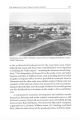
Show CHAPTER 1 BEFORE IT WAS CALLED DUCHESNE Geography Duchesne County is located in the western portion of the Uinta Basin, rimmed on three sides by mountains and high plateaus. This unique region, located in the northeastern section of Utah, possesses a variety of notable geographic features and is geographically different from the Great Basin portion of Utah. The settlement and development of Duchesne County has been shaped in part by its geography. The Uinta Mountains and Uinta Basin are part of two larger physiographic regions identified by geographers as the Rocky Mountain and Colorado Plateau provinces, respectively. The Uinta Mountains are the dominant feature of the region and form the northern rim of the Uinta Basin. The Uintas are a rugged range of mountains that trend east-west, unlike most mountain ranges in the world that run north-south. The Uinta Mountains are about 150 miles long and 30 miles wide. The central core of this broad range of mountains was formed HISTORY OF DUCHESNE COUNTY by sedimentation of mostly quartzite strata of more than 20,000 feet in thickness laid down by ancient oceans over the course of hundreds of millions of years. During much of that time, a great part of the area that would become the western United States, including future Duchesne County, was covered by seas. At other times, the seas subsided or the land rose, leaving dry land, some of which was walked by dinosaurs some 150-100 million years ago. Throughout this time the deposition of sediment continued, either from the oceans or as soil or sand washed down or blown in from neighboring highlands. About 55 million years ago the strata that had formed from the deposition of sediment was compressed and squeezed upward and outward to form the Uinta Mountains. Several mountain-building episodes-especially the Rocky Mountain, or Laramide, Orogeny, which occurred over 37 million years ago-thrust up the Uinta Mountains as we know them to heights greater than at present. The Uintas are the highest range in Utah, with several peaks over 12,000 feet; the highest, Kings Peak, is 13,528 feet above sea level.1 Unlike many other mountains in the state and the region, the Uinta Mountains lack igneous rock of any consequence; this explains why no significant ore deposits have been found there. During the Great Ice Ages of the past million years, the Uinta Mountains were covered with deep ice and snow. Glacial action carved and cut many depressions that later filled with water, creating hundreds of high alpine lakes. The pristine beauty found in the Uinta Mountains provides Uinta Basin residents and tourists both recreation opportunities and scenic enjoyment. The Uinta Mountains are a significant geographical feature of the northern portion of the state, and they have generated tales and stories by Ute Indians and whites alike. The Utes relate the story of Norita, or Sleeping Princess Mountain, which lies on the west end of the county overlooking Rock Creek. To many, this mountain clearly resembles a woman lying on her back. Many people who first look at the mountain comment that the mountain resembles in detail the women's silhouette, from her face to her feet. The legend tells of a Ute maiden who was known throughout the region for her beauty and kindness. Enemy Indians, hearing of her great beauty, came to capture her. Upon seeing the enemy warriors, she fled to a high cliff. BEFORE IT WAS CALLED DUCHESNE JIBS Kings Peak in the Uinta Mountains is the highest point in the state of Utah at 13, 528 feet. Photo taken from the west side of the peak. (Utah State Historical Society) Rather than be captured, she jumped to her death. Due to her bravery the Great Spirit sent wind and rainstorms which carved the mountain into her likeness so she would be remembered by all who looked at the mountain. Local folklore also includes stories about Moon Lake, the largest natural lake in the county. Fed by Lake Fork Creek, Moon Lake was a deep, cold mountain lake until it was changed to a regulated reservoir in the 1930s. The lake is shaped like a crescent moon, and there have been many local stories about sightings of a mysterious monster in Moon Lake. Indian legends tell of canoes being capsized and floundering men attacked and dragged beneath the surface, never to be seen again. More recently, boaters have claimed that they were pursued and bumped by an ugly monster. Over the years there have been drownings in Moon Lake, and several of the bodies have never been recovered, which adds to the mystery of Moon Lake.2 The Uinta Mountains receive over thirty inches of precipitation annually, with the higher peaks receiving more than forty inches HISTORY OF DUCHESNE COUNTY annually. The mountains are the source of several important drainage systems for northern Utah. The Bear, Provo, and Weber rivers deliver critical stream flows to northern Utah and the Wasatch Front. In the west end of the Uinta Basin, in Wasatch and Duchesne counties, flow several major streams. The Strawberry River flows eastward and is joined by the Duchesne River just east of the city of Duchesne. As the Duchesne flows eastward, the Uinta, Whiterocks, Yellowstone, and Lake Fork rivers as well as Current, Rock, and other creeks add to the Duchesne River, which becomes a major tributary of the Green River. The Green River also has other tributaries originating on the north face of the Uinta Mountains. The Wasatch Mountains form the west rim of the Uinta Basin. The Wasatch Mountains along with the high southern Utah plateaus form what some call the "Wasatch backbone of Utah." This Wasatch backbone divides the state into the Basin and Range Physiographic Province, which extends westward to the Sierra Nevada, and the Colorado Plateau Physiographic Province, which includes most of eastern Utah. One prominent Utah historian has suggested that the Wasatch Mountains and the high southern Utah plateaus have shaped the economy and culture of eastern Utah including Duchesne County, making eastern Utah's history different from that of the rest of the state.3 In historic times, the Wasatch and the Uinta Mountains presented a geographical barrier to anyone wanting to travel into the Uinta Basin and eastern Utah. The geographic isolation of the region was a major factor in Duchesne County being the last-settled area of the state. The southern rim of the Uinta Basin is formed by the Tavaputs Plateau, named after a Uintah Ute chief. The Tavaputs Plateau extends from the Wasatch Mountain Range in a generally southeasterly direction for about 200 miles. A significant part of the Tavaputs Plateau is the Book Cliffs mountainous region. The plateau slopes northward and generally exceeds 8,000 feet in elevation, with several locations in the county exceeding 9,000 feet. Within the plateau is a series of rugged canyons, some accessible only by foot, horse, or four-wheel- drive vehicles. The southern escarpment of the Tavaputs Plateau is located in Carbon County. In its southern cliffs coal has been mined for more than a hundred years. BEFORE IT WAS CALLED DUCHESNE Rock Creek, one of the several streams in Duchesne County that provide breathtaking scenery, recreation, and economic opportunities. (lohn D. Barton) Unlike the majestic Uintas, the Tavaputs Plateau is semiarid, with only a few i n t e r m i t t e n t seasonal streams. Notable streams in Duchesne County's portion of the plateau are the Avintaquin, Indian HISTORY OF DUCHESNE COUNTY Canyon, Argyle Canyon, and Nine Mile Canyon streams. Except for Minnie Maud Creek in Nine Mile Canyon, which flows directly into the Green River, the other streams from the north slope of the Tavaputs Plateau flow into the Duchesne River. Access to the Uinta Basin from the south has been primarily through Indian and Nine Mile Canyons. Evidence of early Indian use of Nine Mile Canyon is seen in panels of Native American rock art there. The eastern rim of the Uinta Basin is formed by the Rocky Mountains of western Colorado. The huge Uinta Basin is approximately 125 miles long and varies between 40 and 60 miles in width.4 The rivers and streams of the Uinta Basin are its lifeblood in addition to serving as important transportation corridors. The historically important Dominguez and Escalante expedition of 1776 followed the Duchesne and Strawberry rivers through much of the Uinta Basin and future Duchesne County to reach Utah Valley. The Green River provided the means for William Henry Ashley and John Wesley Powell, among many others, to gain access to the Uinta Basin from Wyoming. The rivers and streams of the county and of the Uinta Basin attracted many fur trappers and traders to trap and trade for beaver pelts beginning in the 1820s. And, at the turn of the twentieth century, water from the untapped streams of Duchesne County was highly sought after by farmers and ranchers from Utah County and the Wasatch Front. Plant and Animal Life The flora of the Uinta Basin is much like that found elsewhere at its elevation and climate in Utah and throughout the Intermountain West. The valley floor is covered with sagebrush, rabbitbrush, grease-wood, Indian ricegrass, needle-and-thread grass and other vegetation of semiarid regions. Found along the larger meandering streams in the county is a more diversified riparian plant life. Willows, cotton-woods, birch, and evergreens, along with various flowers and shrubs, are found adorning the streams' channels. Berries such as chokecherry, elderberry, bull berry, snow berry, wild strawberry, and raspberry provide a treat for humans and many other animals. Pinyon and juniper trees cover the foothills of the Uinta Mountains and the Tavaputs Plateau. At higher elevations Ponderosa pine, white BEFORE IT WAS CALLED DUCHESNE Norita or Sleeping Princess Mountain. (lohn D. Barton) pine, lodgepole pine, Douglas fir, blue spruce, and aspen can be found. Common vegetation in the region at the present time includes Chinese elm, Russian olive, kosher weed, and tumbleweed, none of which is native to the Uinta Basin. All have been introduced and have become problem plants for farmers and ranchers. Thick vegetation along the various rivers and streams was noted by the Spanish expedition led by Catholic friars Francisco Atanasio Dominguez and Silvestre Velez de Escalante in September 1776. On 18 September, while the expedition was following the Duchesne River upstream a few miles east of present-day Myton, the members were forced to change their course of march because they encountered "a grove or thicket of almost impenetrable rockrose and . . . marshy creeks."5 The two Catholic priests were always on the lookout for good land and possible settlement areas. While traveling along the Duchesne River in what is now Duchesne County, Escalante wrote: "Along these three rivers [one of which was the Duchesne River] we have crossed today there is plenty of good land for crops to support three good settlements, with opportunities for irrigation, beautiful HISTORY OF DUCHESNE COUNTY cottonwood groves, good pastures, with timber and firewood nearby."6 The county's mountains, foothills, plains, and river valleys provide habitat for many species of birds and mammals. Moose, elk, mule deer, antelope, black bear, cougar, bobcat, and coyote are common. Smaller animals such as beaver, raccoon, fox, prairie dog, mink, and muskrat thrive in the area as well. The region's beaver brought fur trappers and traders to the Uinta Basin and the Uinta Mountains beginning in the 1820s. Many rodent and reptile species also make the area their home. Interestingly, there are very few rattlesnakes in the area, but some are occasionally seen in the southern hills. Old-time residents of the county claim that the many, and often very large, blowsnakes of the region keep the rattlesnake population down. Many species of birds are commonly seen in the region, both migratory and nonmigratory varieties. Eagles, both golden and bald, red-tailed hawks, goshawks, night hawks, falcons, and many other raptors dot the summer skies. Migratory mallards, teal, Canadian geese, curlews, snipe, blue cranes, and sandhill cranes are common in the fall and spring. Smaller birds such as robins, swallows, blackbirds, crows, sparrows, killdeer, and meadowlarks are seen daily. Early travelers in the region also encountered grizzly bear, buffalo, wolves, wolverines, otters, pine martins, mountain goats, and bighorn sheep.7 Thousands of wild horses roamed the Uinta Basin at the time of white settlement and there are still significant numbers of mustangs on Johnny Starr Flat and in the Book Cliffs. In the streams and high lakes cutthroat trout are native; rainbow, brook, and lake trout all were introduced early in the twentieth century. Dominguez and Escalante were so impressed with the fish in the Strawberry River and other streams that they made special note of their findings: "We descended to a fair-sized river in which there is an abundance of good trout, two of which the Laguna, Joaquin, killed with an arrow and caught, and each one of which would weigh somewhat more than two pounds."8 Walleye, bass, and bluegill have been introduced into lower elevation lakes in the county in recent years. In some of the high Uinta lakes grayling and golden trout have been planted. Several species of BEFORE IT WAS CALLED DUCHESNE suckers and chubs, including the endangered humpback chub, are found in the Duchesne River. Carp were brought to Utah by Mormon immigrants from Germany. They were introduced to Utah rivers in the hope that they would augment the game fish and add to the food supply. They now are considered trash fish and cause many problems in the rivers throughout the state including the Duchesne River. Fishing on the many lakes and streams in the county provided an important source of food for the Ute Indians both before and after the coming of whites. During the last half of the twentieth century fishing in the county has been an important sport and recreational activity for county residents and visitors from the Wasatch Front and elsewhere. Climate and Weather The geography of Duchesne County and the Uinta Basin makes the region cold in the winter and warm in the summer, with the average precipitation at lower elevations between eight and twelve inches annually; twenty-five or more inches of preceipitation falls on the Uinta Mountains. The normal yearly average maximum temperature in the county rarely exceeds the mid-60° Fahrenheit range, and the normal average minimum temperature hovers around 30 degrees.9 The elevation of the airport at Duchesne is 5,815 feet; it has an annual precipitation measure of 8.71 inches. The mean annual temperature at the airport is 43.2 degrees, with an average of 115 frost-free days. Roosevelt's airport elevation, which is more than 700 feet lower than the airport at Duchesne, receives 7.44 inches of precipitation annually. The average yearly temperature at the Roosevelt airport is 46.5 degrees, and it has an average of 125 frost-free days. The county experiences four well-defined seasons. Spring comes two or three weeks behind its arrival along the Wasatch Front and is usually accompanied by intermittent snowstorms, which are common until mid- April. The warming of daytime temperatures in mid- March begins to melt winter snows. Most years, gusty spring winds make it seem colder than temperatures indicate. The last frost generally occurs in mid-to-late May at Roosevelt, Duchesne, and Myton, and all three communities usually experience their first frosts in mid-to- late September.10 In the upper country of Altamont, Tabiona, and 10 HISTORY OF DUCHESNE COUNTY Glacial action thousands of years ago created many depressions that filled with water and formed the many small alpine lakes found in the Uinta Mountains. (Utah State Historical Society) Fruitland there are even fewer frost-free days.11 Most of the agricultural sections of the county have fewer than 120 freeze-free days a year. Daytime temperatures during the summer months in the county reach the upper eighties and low nineties, with the evenings cooling to the upper fifties. Roosevelt is the hot spot in the county, with official record temperatures of 105 degrees set twice-in August 1958 BEFORE IT WAS CALLED DUCHESNE U_ and in July 1985.12 Late afternoon summer thunderstorms occur frequently. Some have been severe, resulting in crop damage and damage to barns and other outbuildings. In July 1957 lightning struck the LDS chapel at Montwell, and nearby lightning knocked a boy unconscious and over a fence. On 20 August 1963 a severe hail and lightning storm struck Duchesne City, killing a woman and stunning her son as they were herding cows on the highway. Thunderstorms frequently drop a great amount of rain in a very short time. At least two drownings have occurred from summer flash floods. In late August 1909 a mail carrier drowned when he attempted to cross a swollen stream near Myton; and on 16 August 1928 a sheep rancher drowned from torrential rains in Nine Mile Canyon.13 Daytime temperatures during the fall months of September and early October range from 55 to 70 degrees; nighttime temperatures are brisk, often dropping to the thirties. Fall is a pleasurable season; there is usually an Indian summer after the first frost. The Uinta Mountains experience the first frost as early as late August or early September. Late November usually bring snowstorms and colder temperatures that turn fall into winter. Winter temperatures are usually the coldest in January, when temperatures drop to as low as forty-three degrees below zero.14 At several unofficial weather stations, winter temperatures have dropped to as low as fifty-eight degrees below zero. This intense period of cold is often accompanied by a low layer of fog which can last several weeks. Daytime temperatures during these intense cold spells reach the high twenties and low thirties. When there is no fog, winds often blow, making the county one of the coldest regions in the state. Most of the winter precipitation falls as snow, with snow depths of more than a dozen feet and more in the Uinta Mountains. The climatic conditions and the short growing season in the county limits farmers to raising mostly forage crops and livestock, although home gardens are common, with many types of fruits and vegetables raised for domestic consumption. Early Occupation Anthropologists generally believe that humans crossed the Bering Strait area during the great Ice Ages of the past 20,000 years 12 HISTORY OF DUCHESNE COUNTY and that people then gradually spread throughout the North and South American continents. The archaeological record is scanty, but evidence does suggest that early humans were in the Intermountain West by at least 12,000 years ago. These earliest people were hunters, following the great prehistoric beasts of the era, including mammoths, mastodons, cave bears, giant sloths, ancient camels, and sabre-tooth cats. They are known as Paleo-Indians and have been classified by the types of projectile points they used to hunt their prey. It can be assumed that the area of future Duchesne County was traversed by these early hunters as well as by the hunting people that succeeded them throughout the West, the Archaic people. The Archaic culture has been divided into regional variants based on the general ecological areas they inhabited as well as by the artifacts they produced. The Desert Archaic culture of the Great Basin is well known and artifacts have been found at numerous locations in the Great Basin, including a famous habitation of some 10,000 years ago, Danger Cave near Wendover. Again, evidence of early humans in Duchesne County is not extensive and archaeologists generally can only assume that the early hunting and gathering people made use of the resources of the area, particularly during the warmer times of the year. The Archaic culture flourished from about 6,000 to 2,000 years ago, and it is with the time near the beginnings of the Christian era that researchers have found more extensive evidence of human habitation of the region. These people either assimilated or replaced the Archaic people, probably due to their improved methods of surviving on the land, including the beginnings of horticulture and more sedentary lifestyles. They are known as the Fremont culture, and the Fremont people also have been classified according to the various regions of the Intermountain West that they occupied, including the Uinta Basin. The prehistoric society identified as the Fremont culture occupied the Uinta Basin for many centuries, from A.D. 300 to 1300. At its zenith, about A.D. 1000, the Fremont culture occupied a wide geographical area from eastern Nevada to western Colorado, and from southern Idaho to southern Utah. These early occupants' architecture, artifacts, and rock art are found at various archaeological sites throughout the Uinta Basin and the county. BEFORE IT WAS CALLED DUCHESNE 13 Elk in Indian Canyon. (lohn D. Barton) The Fremont people were hunters and gatherers who at different times and in different parts of the region developed horticulture, cultivating corn and other plants.15 They also manufactured pottery and one-rod-and-bundle baskets to carry and store seeds, ground corn, and other harvested plants; used shaped grinding tools, the mano and metate; fashioned unique moccasins; and made trapezoidal-shaped clay figurines.16 The Fremont people were roughly contemporaries with the more famous Anasazi culture of the Four-Corners region of Utah, Colorado, New Mexico, and Arizona, known for their cliff dwellings in much of the Southwest. Archaeologists have identified several variants of the Fremont culture, identified with geographical regions of Utah: Great Salt Lake, Sevier, Parowan, San Rafael, and Uinta. Members of these geographical variants of the culture developed or adopted various agricultural, 14 HISTORY OF DUCHESNE COUNTY architectural, and other cultural elements at different times, making further differences among the several culture variants. The Uinta Fremont people occupied the Uinta Basin sometime later, about A.D. 600, than other Fremont people occupied other areas of the Great Basin region. The Uinta Fremont cultivated corn and other plants later than did people of the two southern Utah Fremont culture variants. The geographical isolation of the area may have been the primary reason for the Fremont people occupying the Uinta Basin at a later date; the climate and availability of other resources may explain their later cultivation of corn and other plants.17 The architecture of the Uinta Fremont was also different from other Fremont culture architecture. The Uinta Fremont constructed shallow, saucer-shaped pithouses or surface structures with off-centered fire pits. Surface storage structures were generally absent. Unique to the Uinta Fremont people was their use of Gilsonite to repair their clay wares.18 Collectively, the many Fremont Indian sites in Duchesne County and in the Uinta Basin, including the rock art panels, have provided a great deal of information and added to a growing body of knowledge about the Fremont people. Archaeologists have identified phases within the Uinta Fremont variant. These are commonly known as the Cub Creek and the Whiterocks phases and generally differentiate based on the adoption of corn, the use of pottery, and other cultural, economic, and architectural characteristics.19 Perhaps the most significant Fremont cultural sites in the county are in Nine Mile Canyon on the Duchesne-Carbon county line. Archaeologists have identified and investigated nearly 300 archaeological sites in the Nine Mile Canyon area, with additional sites still occasionally being discovered. Recent extensive study by archaeologists indicates that the Tavaputs Fremont people adapted well to the geographical features and natural resources of the Tavaputs Plateau. Late in arriving to the plateau country, the Tavaputs Fremont Indians adopted dry-laid masonry in the construction of their structures. They also were heavily concentrated in canyon drainages, which provided the best local environmental conditions for raising corn. They lived in the rugged Tavaputs Plateau country on a short-term or seasonal basis.20 BEFORE IT WAS CALLED DUCHESNE 15 Rock Art of the Fremont Indians in Nine Mile Canyon such as this famous Goat Panel are recognized as some of the best representations of Fremont Culture by experts throughout the world. (lohn D. Barton) Elsewhere in the county, the Fremont people developed a simple system of irrigation to water their small gardens of corn, squash, and beans. In some places their irrigation ditches, h a n d dug with wooden or stone tools, appear to have been several miles long. Sometimes these ditches were chiseled through hardpan and even sandstone.21 The Uinta Fremont Indians built small granaries of stone and adobe, mortared with mud. They lived in small rock structures, with ten to twelve individual family dwellings making a village. Ruins in the Uinta Basin and elsewhere reveal that they constructed masonry buildings on the surface but also built stone-lined semisubterranean pit houses. Small villages frequently were located along dependable water sources and near tillable land. On the Tavaputs Plateau, dry-laid masonry towers were built, probably for defensive purposes.22 For several hundred years the Fremont Indians occupied the region, living a semisedentary life, cultivating small plots of land, drawing or carving rock art on the smooth sandstone canyon walls. 16 HISTORY OF DUCHESNE COUNTY Painted and carved symbols probably represent something of their social activities, their religious thoughts, their views of their world, and other lifeways. The rock art in Nine Mile Canyon is some of the finest in the world and scholars from many research institutions have traveled to the area to study, photograph, and marvel. Fremont Indian rock art in great part remains a mystery to modern scholars and curious laymen alike. Answers to why the Fremont people left the region are speculative at best and are topics of spirited debate among archaeologists; but, whatever the reason, the Uinta Fremont Indians began mysteriously abandoning the Uinta Basin as early as A.D. 1050, as much as 200 years earlier than other Fremont Indians disappeared from their homes in Utah.23 The Nine Mile, or Tavaputs, Fremont disappeared later, around A.D. 1200. Perhaps they were driven out by the Numic-speaking ancestors of the Ute and Shoshoni Indians. There is some speculation that remnants of the Fremont people were absorbed by the Ute or Shoshoni Indians. Another theory suggests the Fremont Indians of the Uinta Basin suffered a fate similar to that thought to have befallen the Anasazi to the south: a long period of severe drought forcing them to abandon their homeland of generations and move elsewhere.24 Contemporary Indian legends of the area tell of a time when there was so little rain or snow that the springs dried up and many of the watercourses nearly did the same. The Ute Indians of the nineteenth century living in the upper benches of the county traveled as far as the junction of the Lake Fork and Yellowstone rivers to obtain water. The fate of the Uinta Fremont remains unclear, but archaeologists agree that the Numic-speaking Shoshoni, Paiute, and Ute Indians inhabited the Great Basin and the Uinta Basin early in the fourteenth century, less than a century after the Fremont culture disappeared.25 The Shoshonean Stage Anthropologists and others call the period from about A.D. 1300 (when the Fremont people disappeared and the Numic-speakers arrived) to about the year 1600 (the date European contact was made with the Indians of Utah and western Colorado) the Shoshonean era. These ancestors of the Shoshoni and Ute people abandoned the more BEFORE IT WAS CALLED DUCHESNE 17 This stacked rock wall offered the Fremonts added protection from both the elements and enemies. (lohn D. Barton) sedentary horticultural lifeways of the earlier Fremont Indians for that of hunting and gathering.26 They lived in brush wickiups rather than the stone and masonry buildings of the Fremont people. The Indians spoke Numic languages and occupied a wide range of territory, from the Great Basin to the Uinta Basin and Colorado Plateau to the Front Range of the Rocky Mountains in Colorado, and from the Wind River Mountains of Wyoming to southern Utah, Colorado, and Nevada.27 Over time these Numic speakers settled in their respective locales known in historical time and were later identified by Anglo- Europeans as N o r t h e r n and Southern Paiute tribes; Western, Northern, Eastern, and Western Shoshoni tribes; and Colorado and Utah Ute tribes. Still smaller bands or tribes were also noted, including the Timpanogots Utes of Utah Valley, the Uintah Utes of northern Utah and the Uinta Basin, the Sanpits and Moanunts of central Utah, the Pahvants of west-central Utah; and in Colorado, the 18 HISTORY OF DUCHESNE COUNTY Parusanuch, Yampa, Sabuaganas, Tabeguache, Weeminuche, Muache, and Capote Ute bands. Beginning around A.D. 1650 some of these Colorado and Utah Utes acquired the horse, and this and other interaction with Euro- Americans radically altered their lifestyles. Raiding between bands of Utes and Shoshoni Indians and jockeying for position for prime hunting and foraging territories was practiced and there was increased contact with Euro-Americans. The Uintah Utes of the Uinta Basin expanded their trade and hunting territory to reach the plains of Wyoming, the Front Range of Colorado, and the Spanish missions of northern New Mexico. Euro-American Contact The first historical contact of Euro-Americans with the Uintah Utes was made by the Dominguez-Escalante expedition, which traversed the Uinta Basin and parts of Utah in 1776. Catholic friar Francisco Atanasio Dominguez led the party and was assisted by Fray Silvestre Velez de Escalante. Because Escalante kept the journal of the expedition, his name has gained greater fame than that of Dominguez. The small party consisted of the two priests and eight other Spaniards, including Don Bernardo Miera y Pacheco, the cartographer, or mapmaker, for the expedition. The Dominguez- Escalante expedition planned to leave Santa Fe on 4 July but was delayed for several weeks, including one delay due to illness of Father Escalante. Later in July the expedition began its historical trek to Utah and the Great Basin. The expedition's goals were to open a northern route from Santa Fe to newly settled Monterey, California, and to contact friendly Ute Indians along the way who might be ready for conversion to Christianity and Spanish ways of life. Other Spaniards had previously attempted to take a more direct route westward through Arizona, but deserts and hostile Indians made the Arizona route difficult and hazardous at best. The expedition members also explored northwest from Santa Fe into southwestern Colorado and southeastern Utah. Earlier, in 1765, an enterprising Spanish trader or military reconnaissance man, Juan Maria de Rivera, had led a small group to southwestern Colorado and southeastern Utah. With the exception of the BEFORE IT WAS CALLED DUCHESNE 19 Rivera expedition, no other possible pre-Dominguez-Escalante expedition to southern Utah left known written records. The Dominguez-Escalante expedition left Santa Fe and traveled north through southwestern Colorado, following streams and rivers. The expedition eventually found its way to the Gunnison River. After becoming lost and discouraged, they encountered a friendly Ute encampment. Here they acquired the services of two Ute boys, whom the padres called Silvestre and Joaquin. These youths agreed to guide them to Utah Lake and the home of the Laguna (Uintah) Utes.28 By 16 September the expedition had crossed the Rio de San Buenaventura (Green River) near the present-day town of Jensen, Utah. It is interesting to note that they killed buffalo in both the Colorado and Utah portions of the Uinta Basin.29 After crossing the Green River, the party journeyed up the Duchesne River, traveling in a westerly direction. The padres noted that the Indian boy Silvestre exhibited great fear while in the region after seeing tracks of other horses and smoke from nearby fires. Silvestre informed the padres that enemy Indians, "Comanches" as Escalante called them, were in the area. The "Comanches" were most likely a small group of Shoshoni hunters who frequented the Uinta Basin from southern Wyoming or southeastern Idaho. Farther west in today's Duchesne County the expedition witnessed more smoke. Silvestre was less fearful of these wisps of smoke, believing the people in the area were either "Comanches or some Lagunas who usually came hunting hereabouts." 30 Information is thus gained from the Dominguez-Escalante expedition that the Uinta Basin in 1776 was utilized by both Ute and Shoshoni Indians and that there was hostility between the two tribes. Hostility between the two tribes was probably a result of competition for hunting grounds, including those of the Uinta Basin. Near the confluence of the Duchesne and Uinta rivers the Catholic friars wrote that they "saw ruins . . . of a very ancient pueblo where there were fragments of stones for grinding maize, of jars, and pots of clay. The pueblo's shape was circular . . . "31 Modern researchers of the Dominguez-Escalante Trail have been unable to locate this ancient pueblo, which was most likely located near the Duchesne-Uintah county line. On 17 September 1776 the expedition 20 HISTORY OF DUCHESNE COUNTY camped about twenty miles east of Myton, calling the campsite La Ribera de San Cosme. The next day, they traveled west to the junction of the Strawberry and Duchesne rivers (called by them Rio de Santa Catarina, de Sena, and Rio de San Cosme) and camped for the night in a meadow about a mile above the present-day town of Duchesne. Reporting on the land seen that day, Escalante wrote: "There is good land along these three rivers [the Strawberry, Lake Fork, and the Duchesne] that we crossed today, and plenty of it for farming with the aid of irrigation-beautiful poplar groves, fine pastures, timber and firewood not too far away, for three good settlements." 32 Following the Strawberry River upstream, they camped the next night, 19 September, near present Fruitland, and the next day crossed Current Creek and continued their journey westward. When the expedition reached the Strawberry Valley, approximately where Strawberry and Soldier Creek reservoirs are now located, Silvestre informed the padres that some of his people had lived there earlier, but had withdrawn out of fear of the "Comanches."33 The expedition left the future Duchesne County, traveled through Strawberry Valley, descended Diamond Fork to the Spanish Fork River and entered Utah Valley on 23 September 1776. There the expedition members found the Utes very friendly and, after visiting for several days, the padres promised to return the next year to build a settlement. Utah history would likely have been different had the padres returned. Catholic missions rather than Mormon chapels might have dotted Utah's landscape. Also, if Brigham Young had received this report of the area, perhaps Duchesne County's history would read very differently today and the area may never have become part of the Ute Indian Reservation. Anxious to reach the Spanish settlements in California, the Dominguez-Escalante expedition members left Utah Valley heading south rather than west. The Laguna Utes informed Dominguez and Escalante about the desert to the west and that crossing it would be very difficult. After a few days travel, near present-day Milford snow and cold weather settled on the expedition. Discouraged and tired, they drew lots to determine God's will they then returned to Santa Fe, enduring numerous hardships along the long way home. The expedition was not successful in finding a new route to California, but it BEFORE IT WAS CALLED DUCHESNE 21 did provide those who followed with important information and also was the first documentation of Europeans visiting Duchesne County. Along with the first map of the region, they left a valuable record of the geography and inhabitants of the region they traversed. Years later, following the Dominguez-Escalante expedition to Utah, it is likely that other Spanish expeditions followed segments of the Dominguez-Escalante Trail and discovered other Indian trails through Utah. Various segments of the Dominguez-Escalante Trail became branches of the Old Spanish Trail linking Santa Fe with California through Utah.34 Legends of Spanish mines buttress the likelihood that other Spanish exploring parties came to the Uinta Basin and Duchesne County before the 1820s when Mexican, English, French, and American fur traders began trapping and trading for beaver. Local stories tell of the Spanish discovering gold and forcing the Indians to work mines in the Uinta Basin. According to several legends of the Utes, the oppressed workers eventually rebelled and killed all the Spaniards. This local lore is bolstered by claimed discoveries of cannonballs, bridle bits, old diggings, rock smelters, rusted Spanish helmets and breastplates, and tree and rock inscriptions. However, no scholarly confirmation from written records or studies of extant Spanish artifacts and presumably Spanish diggings and smelter works has yet confirmed the local lore of Spanish presence and their development of gold mines. Like much of the lore of the Spanish in the West, Duchesne County has tales of lost treasure and gold which, if found, would make the discoverer fabulously rich. The continued life of these stories of gold and lost Spanish mines makes for lively conversations at summer campfires and at family dinner tables.35 Closely related to lost Spanish gold mines is the county's most famous gold story-the Lost Rhoades Mines. A common version of the story tells of Ute chief Wakara (Walker), who went to Brigham Young not long after the Mormons arrived in Salt Lake Valley. Wakara, according to the legend, had been chosen by right of succession guardian of gold mines located in the Uinta Mountains. These gold mines had been made sacred by the forced labor and sacrifice there of past generations of Ute Indians. In some of the accounts the Spanish treatment of Utes was so brutal that the Utes revolted and 22 HISTORY OF DUCHESNE COUNTY drove the Spanish back to New Mexico. After some time, perhaps generations, the Spanish came back and again forced the Utes to work the mines. This led to another revolt near Rock Creek sometime in the mid-1800s. As the story goes, all the Spaniards were killed and the mine entrances buried.36 Wakara supposedly was told in a dream that when the big hats (Americans) came he was to tell them of the gold. The first Americans in the region, the mountain men, would not listen to him. When he told Brigham Young, Young agreed that only one man would be chosen to go and get the gold, which was so pure that smelting was not necessary. Knowledge of the gold's existence and location was to be a secret. Thomas Rhoades was selected to get the gold. The gold was only to be used by the Mormon church and not to profit any individual, and the Ute chief warned that Rhoades would be watched while in the mountains and no other would be allowed to come. If any others tried to do so they would be killed. After a few years, Thomas Rhoades passed the responsibility to his son Caleb, and, with the death of Wakara in 1855, his brother Aropene assumed leadership and responsibility for watching the mines. As the stories go, gold from the Rhoades mines was used by the Mormon church to mint its gold coins and to plate the statue of the angel Moroni atop the LDS temple in Salt Lake City. Although no known records exist in church archives, Brigham Young supposedly promised Wakara and Aropene, in the name of the Lord, that the gold would not be discovered by anyone and would be kept secret until the "last days," when it would come forth to benefit the Mormon church and the Utes in a time of great need. Many of the folktales on the subject contain warnings of supernatural power and heavenly intervention preventing anyone from finding the gold stores and mines. Other stories tell of people who have found one of the several mines and were suddenly stricken with heart attacks or other ailments, or were warned by ghostly Ute warriors to leave and never return. The truth of these stories will possibly never be determined, but many people in Duchesne County believe them, and they are retold by each new generation of county residents. Regardless of the verac- BEFORE IT WAS CALLED DUCHESNE 23 ity of the stories, hundreds of people each year go to Rock Creek and other locations in the Uinta Mountains in search of the gold and the lost mines. To date no significant finds of gold have been discovered; but, of course, if the stories are true, that is to be expected. Thus the legends of the Lost Rhoades Mines are passed down, and many of those who believe the stories will not look for the gold, believing it will not be found until the hand of providence directs; others believe the parts of the stories about the gold's existence and seek for the mines and hidden caches hoping they can find and keep the gold for themselves regardless of the legends' warnings. Despite the absence of corroborative evidence of Spanish mining in Duchesne County, accounts of the lost mines continue to be a part of Uinta Basin folklore. 37 The Mountain Men Following the Dominguez-Escalante expedition of 1776, the next documented visitors to the Uinta Basin were Euro-American mountain men and fur traders, beginning in the 1820s. European men's fashion of the time demanded a supply of beaver to make felt hats. The American fur industry and the American West provided the beaver pelts. The economic profit to be gained from the export of American beaver was an important element in America's interest in the American West. After the famous Lewis and Clark expedition of 1804-06 that explored to the Pacific Northwest coast lands of the Louisiana Purchase, American fur trappers and traders, in search of furbearing animals, extended their search into the upper Missouri River country of Montana and the central Rocky Mountains of Wyoming, Utah, and Colorado. Included in their search for beaver was the area of the Uinta Basin. American fur traders adopted the earlier French trading system, establishing forts or trading posts to exchange goods for furs and pelts brought in by Indian fur trappers. Fur trading posts were located on navigable waterways, which were used to transport the furs, trade items, and supplies inexpensively. The lack of navigable waterways in the central Rocky Mountains and in the Intermountain West, however, soon forced the American fur traders to adopt a dif- 24 HISTORY OF DUCHESNE COUNTY ferent system of doing business with the Indian trappers and growing numbers of white trappers. An organizer of this new fur-trading system was St. Louis fur entrepreneur William H. Ashley and his partner Andrew Henry. Ashley hired white trappers and organized annual rendezvous at various locations in the central Rockies, including southwestern Wyoming and Bear Lake Valley. The now-famous rendezvous was where supplies for the next season were brought in on horses and mules, allowing the trappers to remain in the mountains. Furs and supplies were exchanged and paid for and mountain men and Indians congregated socially. The rendezvous quickly became times of relaxation and celebration, with liquor and high spirits both in great abundance. The annual rendezvous occurred at various locations in the Mountain West between the mid-1820s and the early 1840s when the beaver trade was at its zenith. It was during the decades of the 1820s and 1830s that the mountain men discovered and explored many nooks and crannies in the American West and became more familiar with secluded locations, including the Uinta Basin. The fur trade in the Uinta Basin was an important chapter in the larger economic story of the fur trade, and at least one trading post was established near the Whiterocks River in future Uintah County. It is likely that some French-Canadian fur trappers entered the area that would become Duchesne County even before the 1820s, perhaps as early as 1818. In 1970 archaeologist Polly Shaafsma, conducting a study of Indian rock art in Nine Mile Canyon, discovered the inscription "J.F. 1818" near the Nutter Ranch. She contacted the Nutter family regarding her discovery and reported her discussion with the Nutters: "According to the Nutters, this is the date when the first French trappers appeared in the area, and the carvings might well be authentic. The initials are also done in a style that could date from the early 19th Century."38 To date, no other historical documentation or information about the 1818 rock inscription has been found, however. Documented records in 1824 reveal that three different expeditions from Santa Fe, led by William Huddard, Antoine Robidoux, and Etienne Provost, were in the Green River country of eastern Utah BEFORE IT WAS CALLED DUCHESNE 25 Antoine Robidoux, the most significant fur trader in the Uinta Basin, operated a fur trade post in the eastern portion of the Uinta Basin until 1844. (Palace of the Governors, Santa Fe, New Mexico) 26 HISTORY OF DUCHESNE COUNTY trapping beaver. Of the three, certainly Provost, and possibly the others, found his way into the county. Provost's small party traversed the county following nearly the same route Dominguez and Escalante had followed forty-eight years earlier. Provost reached Utah Valley from the Uinta Basin by a more circuitous route, however. From the Strawberry Valley Provost traveled north to the Weber River and then down to the Ogden area before turning south to Utah Valley. In Utah Valley they were met by a band of Shoshoni Indians led by Chief Bad Gocha or "Bad Left-Handed One." Believing they were on friendly and peaceful terms with the Shoshoni, Provost and his men met with Bad Gocha and his band of Shoshoni; however, the Indians attacked the small party of fur trappers, killing six or seven of Provost's trappers. Provost and three or four others managed to escape with their lives.39 Traveling by way of either Provo Canyon or Spanish Fork Canyon, Provost and the other survivors made their return to the Uinta Basin by way of Strawberry Valley before moving on to the Green River, where they found refuge among some friendly Ute Indians. Later, during the winter of 1824-25, Francois LeClerc, Provost's trading partner from Taos, New Mexico, along with additional men and supplies, joined Provost and the survivors at their winter encampment.40 The following spring Provost left the friendly confines of the Uinta Basin and returned to the Great Basin by way of the Weber River to trade for fur with the more friendly Utes. Following his brief sojourn there, Provost made his way back to the Uinta Basin by way of Weber Canyon. Near present-day Mountain Green in Morgan County, on 6 June 1825 Provost and his trappers met a company of British trappers under the leadership of Peter Skene Ogden. Ogden had been ordered by his employer, the British Hudson's Bay Company, to trap out the beaver in the upper Snake River country, thereby creating a territory void of beaver. This plan, it was hoped, would discourage Americans from further activities in the disputed Oregon country, which both America and Britain wanted to possess as their own. Later that day, Provost's and Ogden's companies encountered a third, but smaller, group of American fur trappers employed by BEFORE IT WAS CALLED DUCHESNE 27 William Henry Ashley and led by Johnson Gardner. Gardner provoked Ogden to anger when he argued that Ogden and his company of British fur trappers were illegally in American territory.41 Gardner was wrong, however, in his argument with Ogden and his understanding of the territory. All of them were actually in Mexican territory. Territory south of the present Utah-Idaho border did not become part of the United States until after the Mexican War. The following day, 7 June, Provost and his men, while returning to the Uinta Basin, met the American fur trader William H. Ashley somewhere in present-day western Duchesne County. Ashley had come from St. Louis following the Platte River across Nebraska to southwestern Wyoming and northeastern Utah for the purpose of resupplying his company of fur trappers headed by Jedediah Strong Smith. Ashley planned to meet Smith and his party of trappers on Henry's Fork of the Green River on the north slope of the Uintas for the first of many rendezvous in the Intermountain West.42 Before the rendezvous, Ashley intended to explore the country south of the Uinta Mountains for beaver. By mid-April 1825, Ashley and his companions had arrived on the Green River and set about building several "bull boats" made of buffalo hide stretched over willows to float down the Green River. A month later, Ashley had entered the valley that now bears his name. Deciding not to go any farther down the often wild river, Ashley cached some of his supplies and traded for some horses with some Utes, whom Ashley described as being well clothed in "sheep skin & Buffalloe robes superior to any band of Indians in my knowledge west of Council Bluffs." Some of the Ute Indians also were "well armed with English fuseeze" guns.43 The Uintah Utes, a band of Northern Utes, most likely had occupied the Uinta Basin sometime after the departure of the Dominguez-Escalante expedition and before extensive contact was made with the fur traders and trappers. Many of the Utes, including the Uintah Ute band, had acquired the horse and become expert horsemen. The Utes' acquisition of horses and guns from Spanish and later Mexican traders gave the Native Americans more power to deal with their neighbors the Shoshoni, to take advantage of the unmounted Goshutes and other bands and tribes, and to expand their trade activities. Ashley noted some of the 28 HISTORY OF DUCHESNE COUNTY Utes were adorned with seashells, which suggests an extensive trade system among Native Americans.44 Now mounted, Ashley and his men traveled west, following the Duchesne River, which Ashley called the "Euwinty" River. Shortly after entering Duchesne County, Ashley sent out hunters to replenish the company's dwindling supply of meat. The hunters were successful, and the company's meat supply was momentarily well stocked. Ashley, like some other fur trappers and explorers, kept notes of the country through which he traveled. His observations of the Uinta Basin ranged from "barren rocky land" to land along the Duchesne River bottoms that was described as "wooded with Willow & Cotton wood." The river itself was said to be "about 150 yds Wide [with] rapped current."45 Several days' travel west of Myton on the Strawberry River, near present-day Fruitland, Ashley met Provost and his party of twelve men, who were returning from the Weber River and their encounter with Peter Skene Ogden. Ashley prevailed upon Provost, who had pack animals, to take one of his men and return to Ashley Valley to retrieve the goods Ashley had cached there. Ashley and the rest of his men waited at Red Creek for Provost's return. Not wasting time, Ashley and some of his men trapped three beaver and caught between fifteen and twenty fish. Beaver trapping in the area was poor, however, and not to the liking of Ashley. Earlier, Ashley had written: "no game was killed to day, my party begins to feel severely the want of food . . . this Country continues almost entirely destitute of game."46 When Provost returned, the combined parties continued their journey northwest to the Strawberry Valley. Ashley wrote of the valley: "we traveled over a beautiful fertile valley last Evening through which runs a great number of small streams."47 Crossing the valley, they turned north and traveled across the Kamas Valley. They then continued north and east by way of Chalk Creek to Henry's Fork of the Green River, where the first rendezvous was held. The activities of Provost and Ashley in 1825 were the beginnings of a regular fur-trading business in the Uinta Basin. However, interest in the Uinta Basin also came from another direction and from another country. By the mid-1820s Santa Fe and Taos in New Mexico BEFORE IT WAS CALLED DUCHESNE 29 were becoming important commercial towns for trade between the Mexicans and Americans using the Santa Fe Trail. Part of this bustling trade included American and French-Canadian fur trappers and traders operating under Mexican authority. However, there were occasions in the 1820s when their relations with Mexican authorities became strained. Francois Robidoux, a French-Canadian, and Sylvestre Pratte, an American trapper, and their men were particularly active trapping and trading for fur in northern Utah in the mid-1820s. They were also caught in political turmoil with Mexican government officials in Taos and for a brief time had the beaver pelts they had trapped in northern Utah confiscated; however, the beaver was later returned to them. Both Robidoux and Pratte had met with some success in northern Utah, although, only a few years earlier, William Ashley had found the number of beaver there to his disliking. In 1827, Antoine Robidoux, brother of Francois, along with a small party of trappers, returned to Ute country to retrieve a cache of beaver pelts they had trapped earlier. Sylvestre Pratte also sent a small group back to the "outside of the boundaries of the Mexican Federation" to retrieve a stash of beaver trapped the previous year.48 Included in this group of twenty-two mostly French-Canadian trappers was Ceran St. Vrain. The exact destinations of these two companies are unclear; however, it seems likely that one or both groups of trappers made its way to the Uinta Basin. A rich legacy of lore, skill, geographical knowledge, and place-names was left by the hearty fur trappers. The name Duchesne, for example, given to various cultural and natural elements of the Uinta Basin, may have been left by trappers working for Pratte and St. Vrain. A French-Canadian, one Duchaine, was one of the twenty-two trappers who were dispatched by Pratte in January 1827 to trap beaver on the northern frontier of the Mexican empire. David Weber, noted Western historian, suggests that the Duchesne River was named for Duchaine and that the spelling evolved over time from Duchaine to Duchesne.49 Another possibility for the name's origin was that a French- Canadian trapper by the name of Duchesne reportedly was a member of Etienne Provost's fur trapping party. A very likely explanation, 30 HISTORY OF DUCHESNE COUNTY however, is that the name is in honor of a Catholic nun, Mother Rose Philippine Duchesne, who had come to St. Louis from France to work with the Indians in the West. Mother Duchesne was highly respected for her work in founding several schools on the frontier near St. Louis. She was well known to several trappers and traders, including William Ashley and Antoine Robidoux, and it is likely that someone from one of their parties named the Duchesne River in her honor. Some confusion over geographical locations and names is a result of poor, inaccurate early maps. For example, in 1861 President Abraham Lincoln set aside much of the western section of the Uinta Basin for an Indian reservation. Government officials at that time incorrectly identified the Duchesne River as the Uinta River. By the 1870s and 1880s the name Duchesne was used more frequently. Later, other places in the Uinta Basin incorporated the name Duchesne- including Fort Duchesne, the town of Duchesne, and the future county.50 Other important fur trappers, government explorers, overland travelers, and Indians visited the Uinta Basin in the 1830s and 1840s. In 1834 Warren A. Ferris, while employed by the British Hudson's Bay Company, spent several weeks in the Uinta Basin trapping and hunting. Ferris avoided camping near Fort Robidoux and instead made a temporary encampment on benchland that was likely near present-day Altonah. Ferris wrote: Our camp presented eight earthen lodges, and two constructed of poles with cane grass, which grows in dense patches to the height of eight often feet, along the river [Lake Fork?]. . . . Our little village numbers 22 men, nine women and 20 children; and a different language is spoken in every lodge . . . though French was the language predominant among the men, and Flat-head among the women . . .51 Ferris noted the basin's streams and abundant game but strangely neglected to mention Antoine Robidioux's trading post on the Whiterocks River. Although he was favorably impressed with the area, Ferris did not remain long, nor did he ever return to the Uinta Basin.52 BEFORE IT WAS CALLED DUCHESNE 31 The Reed Trading Post and Fort Uintah The Uinta Basin became an important crossroads for fur trappers, traders, and overland travelers. To take advantage of the growing fur trading and trapping activities of northeastern Utah, Kentuckian William Reed, his nephew James (Jimmy) Reed, and Denis Julien established the Reed Trading Post in 1828 near the confluence of the Whiterocks and Uinta rivers. The Reeds operated the post until 1832, when Antoine Robidoux purchased the business and location from them.53 The Reed's enterprise was the first fixed Euro-American economic enterprise in the Uinta Basin and in Utah. Other trading posts and permanent outposts were later established in Browns Hole and on the Ogden River near present-day Ogden. After buying out Reed, Robidoux expanded the fur-trading business, keeping an average of twenty trappers employed at the fort. Robidoux was a prominent trader and entrepreneur who operated his fur-trading business from his headquarters in New Mexico. For the next twenty-two years he dominated trading activities in northeastern Utah and northwestern Colorado. Numerous fur trappers, overland travelers, and Indians from far distances visited Robidoux's trading post. The relationship between the Ute Indians living in the Uinta Basin and the Mexican, American, British, and French-Canadian newcomers was for a time cordial if not friendly. However, as the whites' presence expanded disputations occurred from time to time between the Ute people and their new neighbors. On one occasion, a California Indian, probably on a trading expedition to the Green River country, was believed to have stolen one of Robidoux's prized horses. Robidioux asked another visitor, Christopher "Kit" Carson, to track down and retrieve the stolen horse. Carson and his partner Stephen Louis Lee had journeyed to Ashley Valley to trade with the Utes but had found that Robidoux had already acquired the bulk of furs trapped that season. Carson agreed to help find the missing horse. The tracks of the horse and its apparent thief headed west. After two days of tracking the horse and the California Indian, Carson located the missing horse 32 HISTORY OF DUCHESNE COUNTY and its new owner in what was likely eastern Duchesne County. A fight ensued and Carson killed the Indian.54 During its existence, several important visitors visited Robidoux's trading post. Several months before Robidoux finally was forced to abandon the Uinta Basin in 1844, topographical engineer and U.S. Army captain John C. Fremont and his expedition paid a brief visit to the Uinta Basin. A year earlier, Fremont and a thirty-man expedition, which included guides Thomas Fitzpatrick and Kit Carson and cartographer Charles Preuss, were ordered west to conduct further surveys of the western interior. Fremont's journey of 1843-44 took him to the big bend of the Bear River near Soda Springs and south to the Great Salt Lake, where he rafted out to Fremont Island before continuing his journey west to California. Fremont returned to Utah on his way east from California, following segments of the Old Spanish Trail and the Dominguez-Escalante Trail. Upon his arrival at Utah Lake, Fremont continued east, backtracking the Dominguez-Escalante Trail to the Uinta Basin. By 30 May 1844 Fremont had reached the Strawberry River, which he called the Red River. He was impressed with the country, describing the mountain passes and high country as "extremely rugged" land that provided the Ute people with security from "the intrusion of their enemies."55 Fremont and his expedition generally followed the course of the Duchesne River eastward. Fremont found the banks of the Duchesne River thick "with fine grass" and the river running clear. During the course of several days travel Fremont's expedition had to ford the Duchesne River several times. He found the river to be unpredictable. One day the expedition forded the Duchesne River "without any difficulty"; however, when forced to ford the river twice the following day, Fremont found the river had risen from the previous day's melt of mountain snow to the point that "it was almost everywhere too deep to be forded."56 Leaving the Duchesne River, Fremont turned to the Uinta Mountains and Robidoux's trading post. Before reaching the trading post, Fremont encountered yet another swiftly flowing stream, which earlier trappers called Lake Fork. Fremont wrote that, according to the Ute Indians, the Indian name for Lake Fork meant "great swiftness"; it was similar in meaning to the description of the speed of a BEFORE IT WAS CALLED DUCHESNE 33 racehorse.57 The river was too swift and too deep in some places to be forded in safety, and it was with great difficulty that the expedition successfully forded Lake Fork. By the afternoon of 3 June Fremont reached Robidoux's trading post. He described Robidoux's trappers living there as a "motley collection of Canadian and Mexican engages and hunters, with the usual number of Indian women."58 Fremont was able to replenish his dwindling supply of coffee, sugar, and dry meat at the trading post. Fremont also hired Auguste Archambeau at the trading post to guide him eastward. Fremont described Archambeau as "an excellent voyageur and hunter, belonging to the class of Carson and Godey."59 By 7 June, Fremont had reached Browns Hole, well known to many trappers of the region. A few months later Robidoux was forced to abandon his outpost permanently. Continued difficulties with whites at the trading post mounted as others came to challenge or trade with the Ute Indians and with Robidoux. Robidoux was able to keep an upper hand in the region's highly competitive fur trade until 1844, at which time the Ute Indians had reached a breaking point. They attacked and burnt Robidoux's fort late in the year, forcing Robidoux permanently to abandon his trading post on the Whiterocks River.60 The fort was either burnt by the attacking Ute Indians or was later set afire by Jim Baker, possibly an employee of Robidoux, to prevent renewed competition for beaver.61 Other factors contributing to the attack included the sale of whiskey to the Indians, the cheating of them on the price of furs, and the kidnapping of Indian women into slavery and prostitution. This was perhaps the most successful attack by Indians of a fur-trading post during the era of the North American fur trade.62 With the expulsion of Robidoux, the Utes regained sole possession of the Uinta Basin, and the land remained unsettled by whites until the early 1870s when independent Mormon farmers and a handful of others began to trickle into Ashley Valley to farm and ranch. For nearly twenty years following the settlement of the Great Basin by Mormon colonizers, the Uinta Basin remained virtualy isolated and unwanted by whites. Exploring parties to the Uinta Basin in 1852 and in 1861 indicated that the Uinta Basin was less than desirable to colonize. Early in 1852 Mormon Indian interpreter, scout, and explorer 34 HISTORY OF DUCHESNE COUNTY George Washington Bean, accompanied by Stephen B. Rose, Fayette Granger, Farley Granger, Bill Hendricks, and a Ute named Kihuanuts, explored the Uinta Basin. Discouraged by the inaccessibility of the basin, Bean wrote a mixed review on 29 February 1852 of the possibilities for settlement: "In the evening all agreed that the finest timber was here but not much land in a body suitable for cultivation. Water privileges were Excellent: Game plenty as deer antelope rabbits & sage-hens." 63 This evaluation was echoed nearly a decade later when the second exploring party found the land undesirable and suited only for Indians and to hold the world together. Real interest in the Uinta Basin came from Utah territorial and federal government Indian officials following the negative report Brigham Young received in 1861, however. Since the Walker War (1853-54) and the later Tintic War (1856) in Juab and Millard counties, Indian policies in the new territory were not working to the full satisfaction of either the Ute people or the Mormon settlers. In the minds of territorial officials removal of the Utes from the Great Basin appeared to be the best solution. The 1861 report confirmed the idea that the territory west of Ashley Valley was a suitable a place to relocate the Ute Indians away from Mormon settlements in western Utah. Later it was also favored as an abode for "troublesome" Ute Indians living in western Colorado when white settlers there wanted Ute lands. The establishment of the Uintah Valley Indian Reservation in 1864 combined with the geographical barriers that isolated the western portion of the Uinta Basin to hinder its settlement and development by whites until the turn of the twentieth century. ENDNOTES 1. Kings Peak was named after Clarence King, early director of the U.S. Geological Survey. See lohn W. Van Cott, Utah Place Names (Salt Lake City: University of Utah Press, 1990), 214. For further discussion of the geology of the Uinta Basin and Mountains see G.E. Untermann and B.R. Untermann, Geology of Uintah County (Salt Lake City: Utah Geological and Mineralogical Survey, lune 1964), and William Lee Stokes, Geology of Utah (Salt Lake City: Utah Museum of Natural History/Utah Geological and Mineral Survey, 1986). BEFORE IT WAS CALLED DUCHESNE _35_ 2. Donna Barton, compiler, Memoirs of the Once Silent Uintah Mountains (Roosevelt, UT: Altamont High School, 1996), 81, 84, 85. This book is a collection of local folk tales. 3. Charles S. Peterson, Utah: A History (New York: W.W. Norton 8c Company, 1976), chapter 8. 4. Many Duchesne County residents are unaware that nearly half of the Uinta Basin is located in Colorado. With the eastern rim of the basin formed by the Rocky Mountains, Steamboat Springs, Meeker, and surrounding areas actually are part of the Uinta Basin. 5. Herbert E. Bolton, Pageant in the Wilderness: The Story of the Escalante Expedition to the Interior Basin, 1776 (Salt Lake City: Utah State Historical Society, 1972), 173. 6. Ibid., 173-74. 7. Some animals that were found in the Uinta Basin during its early history but were absent for several decades, such as mountain sheep, goats, and river otters, have been reintroduced into the region in recent years by wildlife officials. 8. Bolton, Pageant in the Wilderness, 175. 9. R. Clayton Brough, Dale L. lones, Dale I. Stevens, Utah's Comprehensive Weather Almanac (Salt Lake City: n.p., 1987), 275, 323, 344, 356, 396, 400, 403, 407, 428. 10. Ibid., 20. 11. The Soil Conservation Service and the Central Utah Project based their determination for the need of irrigation and the potential impact this would have on Duchesne County farming on these averages. See United States Department of Agriculture and the Soil Conservation Service, "Final Environmental Impact Statement: Uintah Basin Unit Expansion," December 1991. 12. Brough, Utah's Weather Almanac, 428. 13. Ibid., 175, 199, 208. 14. Ibid., 323. 15. lerry D. Spangler, Paradigms & Perspectives: A Class I Overview of Cultural Resources in the Uinta Basin and Tavaputs Plateau (Salt Lake City: Bureau of Land Management, 1995), 453. 16. lesse D. lennings, Prehistory of Utah: The Eastern Great Basin, University of Utah Anthropological Papers, No. 98 (Salt Lake City: University of Utah Press, 1978), 155, 162. 17. Spangler, Paradigms & Perspecitves, 473. 18. Ibid. 19. Ibid., 474-76. 36 HISTORY OF DUCHESNE COUNTY 20. Ibid., 472-73. 21. Lester Maxfield, an old-time resident of Altonah who came with his family into the county to settle, claimed that some of the canals in Altonah and Talmage were already in place and only needed cleaning out and headgates installed to be serviceable to modern farmers. 22. Spangler, Paradigms & Perspectives, 501. Several such towers are found in Nine Mile Canyon, and other stone towers are found elsewhere in Duchesne County. 23. Ibid., 599-602. See also Handbook of North American Indians, Warren L. D'Azevedo, ed., vol. 11, William C. Sturtevant, Great Basin (Washington, D.C.: Smithsonian, 1986), 171. 24. Spangler, Paradigms & Perspectives, 599-602. 25. lames H. Gunnerson, The Fremont Culture (Cambridge, MA: Peabody Museum, 1969), 182-84. See also Barnes and Pendleton, Prehistoric Indians, 87; Jennings, Prehistory, 235; Sturtevant, Great Basin, 171-72. 26. Spangler, Paradigms & Perspectives, 600. 27. Ibid., 599. 28. Bolton, Pageant in the Wilderness, 41, 43. 29. Ted I. Warner, ed., The Dominguez-Escalante Journal (Provo: Brigham Young University Press, 1976), 42, 44. Neither the mountain men in the area nor the early settlers of the Uinta Basin mention seeing buffalo in the region; what few there were probably having been hunted out between 1776 and the 1820s. 30. Warner, Dominguez-Escalante Journal, 47. Escalante's use of "Comanche" is not entirely incorrect. The Comanche and Shoshoni tribes had the same origins. Comanches were descendants of Shoshoni who had left the mountains of Wyoming and migrated to the Texas plains. See Arrel Morgan Gibson, The American Indian; Prehistory to Present (Norman: University of Oklahoma Press, 1980), 78. 31. Warner, Dominguez-Escalante Journal, 47. 32. Ibid., 48. 33. Bolton, Pageant in the Wilderness, 62. 34. See LeRoy R. Hafen and Ann W. Hafen, Old Spanish Trail (Glendale, CA: Arthur Clark Company, 1954). 35. For more information on Spanish mining and Indian legends on the subject see Gale R. Rhoades and Kerry Ross Boren, Footprints in the Wilderness; A History of the Lost Rhoades Mines (Salt Lake City: Dream Garden Press, 1980). See also Gale R. Rhoades, Lost Gold in the Uintah: The Rest of the Story (Duchesne: Benziol Oil, 1995). Neither of these books are BEFORE IT WAS CALLED DUCHESNE 3J7 considered by historians credible sources; however, they contain the most complete details of the many stories and folk tales of the lost Rhoades mines and other stories of gold finds in the Uinta Mountains. 36. Gale R. Rhoades, "Lost Gold of the Uintahs," Western Treasures 3, no. 4: 14-19. 37. Ibid. Local lore of Spanish miners being in the Uinta Basin in the mid-1800s has little historical possibility. In 1821 the people of Mexico revolted against Spain in their own war of independence. A decade later the young Mexican nation faced a series of diplomatic disputations and wars with Americans, first with Texans and later with the United States in the Mexican War, in which 500 Mormon soldiers participated. Neither Spanish nor Mexican mining entrepreneurs were in favorable positions to mine gold in the Uinta Basin and to use Indian labor. 38. See Spangler, Paradigms and Perspectives, 785. 39. Warren A. Ferris, Life in the Rocky Mountains (Denver: Old West Publishing Company, 1968), 134. The sources differ on the number of survivors of this attack; some say three or four survived, while others claim only Provost and one other escaped the treachery of Gocha. See Dale Morgan, Jedediah Smith and the Opening of the West (Lincoln: University of Nebraska Press, 1953), 149; and David Weber, The Taos Trappers (Norman: University of Oklahoma Press, 1968), 76. 40. For details on Provost's activities in Utah see LeRoy R. Hafen, "Etienne Provost," Utah Historical Quarterly 36 (March 1968): 99-112. 41. Dale M. Morgan, The West of William Ashley (Denver: Old West Publishing Company, 1964), 115, 116. With the Treaty of Ghent that ended the War of 1812, the United States entered a joint occupancy agreement of the Pacific Northwest with Great Britain. The Hudsons' Bay Company was operating out of the Columbia River region and trying to keep Americans from pushing any farther west from St. Louis. The British recognized that in the 1820s fur traders were the only Americans who were going westward to challenge the British for possession of the Northwest. To try and stem the tide of American traders pushing farther west, the Hudson's Bay Company had issued a policy called "Beaver Desert." Hudson's Bay trappers were to try and trap and trade for every beaver in the Rocky Mountains, creating a situation where the American traders would have no reason to continue westward. As impossible as it seems to create a "beaver desert," the task was virtually completed by the early 1840s. So intense was the competition between countries and companies involved in the fur trade that beaver were nearly trapped to extinction; only in the last decades have they made a significant comeback. 42. For additional information about the rendezvous see Fred R. Gowans, Rocky Mountain Rendezvous (Layton, UT: Peregrine Smith, 1985). 38 HISTORY OF DUCHESNE COUNTY 43. Morgan, The West of William H. Ashley, 114. 44. Ibid., 115 n. 171. 45. Ibid., 116. 46. Ibid., 115. 47. Ibid., 116. 48. Weber, The Taos Trappers, 109. 49. Ibid., 110. 50. For various sources dealing with the possible origins of the Duchesne River's name see Cecil J. Alter, "W.A. Ferris in Utah 1830-1835," Utah Historical Quarterly 9 (1941): 81-108; and Morgan, The West of William Ashley, 280 n. 160. 51. Quoted in Alter, "W.A. Ferris in Utah," 102. 52. See Alter, "W.A. Ferris in Utah," 81-108; and Ferris, Life in the Rocky Mountains. 53. lohn D. Barton, "Fort Uintah and the Reed Trading Post," Montana Magazine of Western History 43 (Winter 1993): 50-57. See also lulius Orn Murray, interview with lohn D. Barton, 3 October 1988, Alteria, Utah, transcript in possession of author. 54. Milo Milton Quaife, ed., Kit Carson's Autobiography (Chicago: R.R. Donelly and Sons, 1935), 34, 35. 55. Donald lackson and Mary Lee Spence, eds., The Expeditions of John Charles Fremont, Travels from 1838 to 1844 (Urbana: University of Illinois Press, 1970), 1:704. 56. Ibid., 705. 57. Ibid. 58. lohn C. Fremont, Narrative of the Exploring Expedition to the Rocky Mountains (London: Wiley 8c Putnam, 1846), 305. 59. lackson and Spence, Expeditions of John Charles Fremont, 706. 60. lohn D. Barton, "Antoine Robidoux-Buckskin Entrepreneur," Outlaw Trail Journal 3 (Summer/Fall 1993): 35-40. See also the Missouri Democrat, 17 September 1845; and the St. Louis Republican, 6 March 1845. Both newspapers contain articles detailing the attack and burning of Robidoux's forts. 61. lackson and Spence, Expeditions of John Charles Fremont, 706 n. 177. 62. Barton, "Antoine Robidoux," 35-40. 63. George W. Bean, Diary 3, p. 4, transcript at Utah State Historical Society Library, Salt Lake City. |