| OCR Text |
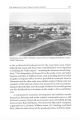
Show CHAPTER 7 FROM SETTLEMENT TO THE GREAT DEPRESSION- IN ONE GENERATION -L^uchesne County residents faced numerous challenges following the creation of their county and the establishment of the county seat in 1914. Better roads were high on the list. Many county roads turned to quagmires each spring, making travel by car, truck, or horse team nearly impossible. Irrigation improvements also continued during the 1920s and 1930s, although there was a serious setback of the Blue Bench irrigation scheme. Many farm families struggled financially Between 1920 and 1940 the number of farms in the county decreased by 11.5 percent-from 1,248 to 1,104 farms. The number of farms in the state also decreased during the same period; however, the percentage of decrease statewide was much smaller, less than 1 percent.1 Even as individual farmers struggled financially during the economic difficulties of the 1930s, important irrigation improvements and additions were made in the county that increased the production of county farms significantly. There were other water users along the Wasatch Front, however, who made plans to divert and use water from the county and the Uinta Basin. 208 FROM SETTLEMENT TO THE GREAT DEPRESSION-IN ONE GENERATION 209 Patriotic parade during World War I, Myton 1917. (Uintah County Library-Regional History Center, Todd Collection) World War I and its aftermath impacted the county, as did the terrible worldwide influenza epidemic of 1918-19. The political panorama changed from government taking a much less active role in the 1920s to returning to a more active position during the Great Depression. The nation and the state struggled over the question of alcohol and in 1920 prohibited its manufacture and sale. There were some in the county, the state, and across the nation who viewed prohibition as a troublesome inconvenience and spawned a new occupation- bootlegging. The Rural Electrification Administration, part of the Roosevelt administration's New Deal of the 1930s, linked most farms and ranches to electricity by the outbreak of World War II. Electricity dramatically changed the lives of county residents, particularly women. Much of the heavy work done by women in their homes was lightened considerably when their homes were wired with electricity. Electric ranges, washing machines, irons, and refrigerators liberated many county women. Family activities during the evening hours were also changed significantly, with music, drama, and news brought into homes by the radio. 210 HISTORY OF DUCHESNE COUNTY World War I Like the rest of the state and the nation, the majority of county voters in the 1916 presidential election voted for Woodrow Wilson. Wilson gained more than a two-to-one popular vote advantage in the county-1,443 for Wilson and 687 for his Republican challenger Charles Evans Hughes. The margin of victory for Wilson was not as large in the state, however; Wilson received 84,145 Utah votes and Hughes received 54,137 votes. County voters marked their ballots for other Democratic party candidates as well. For the U.S. Senate seat, William H. King received 1,378 to 754 for Republican nominee George Sutherland. County voters supported Simon Bamberger (1,305) for governor over his Republican challenger Nephi L. Morris (843). Democrat G. Victor Billings was elected to the state House of Representatives; Don B. Colton, favorite son of Uinta Basin voters, was the only Republican to win a major office in the county.2 Notable in the voting behavior of county voters was the number of votes Socialist party candidates received. Between 1912 and 1920, the Socialist party formed a strong third party in the county. In 1912 nearly 21 percent of the votes cast in the county for president of the United States went to Eugene V Debs candidate of the Socialist Party of America. Debs garnished 8 percent of the vote in Utah. Four years later, the Socialist party candidate for president received 16 percent of the popular vote. In 1920 the combined popular vote for the Socialist and the Farm-Labor parties dropped to about 4.9 percent in the county.3 Strong personalities of party representatives as well as the promptings of the county newspaper the Reservation News seemed to have swayed some in the county to favor the Socialist party's political platform. Financial difficulties of some farm families also may have influenced their political behavior. Charles S. Rice, a home missionary of the Presbyterian church who served for a few years in the early 1910s in the county, years later wrote of the hard conditions he saw in the county: To file on a "piece of dry land" which, without irrigation water, can raise little save sagebrush and grease wood, to build a cabin on FROM SETTLEMENT TO THE GREAT DEPRESSION-IN ONE GENERATION 211 Parade and return of troops at the end of World War I, Myton. (Uintah County Library-Regional History Center, Todd Collection) it, and then to plan and to work for water, eking out an existence in some way while you maintain residence upon the land, requires genuine fortitude and physical strength. Possessed of some financial resources the way was not too rough. Without money, the struggle became near martyrdom, wives and children suffering terribly. Yet out of such stern environments some of the greatest Americans have come.4 One of the major political issues that confronted voters in the county and across the country in 1916 was the darkening clouds of war in Europe. Prior to the active participation of the United States in the war, patriotism throughout the nation and state was vigorously promoted. As the country inched closer to war, many national leaders urged the country to prepare itself for conflict. War was declared in April 1917 when President Woodrow Wilson signed the war resolut i on passed by Congress. Americans quickly were urged to do their duty to the nation by enlisting in the military, buying Liberty Bonds, or joining the "Industrial Army." 212 HISTORY OF DUCHESNE COUNTY Part of the national government's efforts to move the nation towards new levels of patriotism included the "four minute men" program. Some 75,000 men of unquestioned loyalty and good speaking ability were sent throughout the country to buoy up the nation's patriotism and to promote the administration's war programs of newly raised taxes to pay for U.S. participation in the war and the compulsory draft of military-age men. Reuben S. Collett, city councilman and prominent civic leader in Roosevelt, was the "four minute man" for Duchesne County. He delivered speeches in schools and church buildings and wrote articles for the newspaper urging county residents to purchase Liberty Bonds and conserve food and natural resources. He also encouraged the young men of the county to register with the newly enacted Selective Service. Each of the counties and cities in the United States was given quotas to meet for the purchase of Liberty Bonds to assist the government in financing the war. Bonds could be purchased for as little as fifty dollars and bought through monthly installments; they also were exempt from the newly passed federal income tax. Throughout the war, Duchesne County met or exceeded its bond-drive quotas; for example, the county's 1918 fall quota of bond sales was $72,000, yet county residents purchased more than $86,300 in bonds.5 Duchesne County newspapers urged young male county residents to do their patriotic duty and enlist. A 17 April 1917 article in the Roosevelt Standard also stated, "Attention Citizens We are at war! Every patriot should enlist. Citizens of the Basin can not well enlist to carry arms but every citizen can enlist in the "Industrial Army of Uncle Sam."6 Fred L. Watrous, editor of the Duchesne Record, urged the young men of the county to heed the president's appeal and take up arms against the Kaiser: Are you going to stand supinely by and later see the fighting forces of Kaiser Wilhelm . . . land on your shores and take terrible toll of the nation and its manhood and womanhood? . . . Go to the recruiting office today. Take up arms in defense of your family and country, and never have it said by others . . . that you had to be forced to respond to your country's call.7 FROM SETTLEMENT TO THE GREAT DEPRESSION-IN ONE GENERATION 213 Bamberger Monument at the entry of the Bamberger Road built in 1918 to assist Duchesne County farmers get their grain to the railhead at Colton. (lohn D. Barton) 214 HISTORY OF DUCHESNE COUNTY Some young men of the county did not wait for the encouragement from Collett and the newspapers. Several months earlier, P.W Billings and Otto Buys set about to encourage young men of the county to join a battery of the Utah National Guard. Billings was already serving as a second lieutenant in the Utah National Guard, and Buys had recently returned from the Mexican-U.S. border, where he had served in a Utah battery that recently had been mustered out of active service.8 In early June 1917, to encourage eligible age men to register for the draft, Collett along with community leaders organized special days to promote the war effort. In Roosevelt, for example, Collett organized an enlistment drive at the town's library. The registration effort turned into a patriotic rally, all local businesses closed for the occasion. Young women gave out punch, cookies, occasional kisses, and pinned colored ribbons on those who registered. A band played and Collett and others gave speeches. A free dance was held in the evening. That night, 110 young men registered for the draft.9 Community leaders in Boneta declared 5 June a "holiday" in support of the nation's war effort. WR. Rust encouraged the young men of Boneta to enlist, William C. Crook delivered a patriotic speech, and Oneta Moffitt led a chorus in singing patriotic songs.10 By the middle of July men throughout the nation who had registered for the draft began to be called to active duty. This first selective service draft call included forty-six young men from Duchesne County. To add incentive to young homesteaders to join the military, Congress enacted the Homestead Military Act of 1917. It provided that homesteaders who entered the military and spent time away from their homesteads could return after the war and without penalty resume the process of proving up their land claims. According to one Utah historian of World War I, three men from the county were inducted into the marines; sixteen enlisted in the navy; and 218 young men either enlisted or were inducted into the army. Of those who served during World War I, four died either from disease or wounds.11 One of those drafted from Duchesne County was Orson Mott of Duchesne, who for a time deferred his draft notice to run his father's homestead. He trained at Fort Lewis, Washington, before he left for Europe, where he fought in both FROM SETTLEMENT TO THE GREAT DEPRESSION-IN ONE GENERATION 215 France and Belgium. Mott's experience was representative of that of those who went from the county.12 President Woodrow Wilson urged the nation towards intense patriotism and conservative policies. The Espionage Act was passed on 5 June 1917; it provided hefty fines and even prison terms for anyone "obstructing military operations in wartime." This was interpreted to mean speaking out against the war, failing to register for the Selective Service, or any similar anti-war activity. The act also provided severe penalties for anyone using the postal system to mail anything that was termed "anti-patriotic." Fines up to $5,000 were levied against anyone who used the postal system to mail "treasonable" material. The act dampened the political activities of socialist parties and newspapers. The county's socialist newspaper, the Reservation News, published in Altonah, was discontinued. The threat of sabotage was on the minds of many local law enforcement officials in the state. Increased vigilance of "suspicious" people was undertaken. On 16 June 1917, for instance, the Duchesne Record reported that the county sheriff's deputy apprehended a person believed to be German in Daniels Canyon while the stranger was apparently on his way to blow up the Strawberry Dam. The suspect was carrying a small suitcase containing a quantity of dynamite. The Record reporter wondered how the suspect believed he could damage the large earthen dam with so little dynamite. A number of civilian war-related efforts were organized to raise money, provide services, conserve food and goods, and make items for the military hospitals and soldiers. Mrs. Flora E. Collett and Homer P. Edwards were selected to direct the county's Liberty Loan drives. R.D. Collett headed up the War Savings Thrift Campaign, R.S. Collett was the county's chair for the Committee on Food Supply and Conservation; and Mrs. Flora E. Collett also headed the local Women Members of County Councils of Defense. The latter organization promoted food production and home economics, encouraged child welfare, and supported women in industry It was declared that "the nation which can best preserve and conserve its resources, both temporal and spiritual, is the one sure to win eventually." The Roosevelt Standard urged citizens of the county to support the war by being frugal in the consumption of food, fuel, and 216 HISTORY OF DUCHESNE COUNTY Duchesne County Fair Display by the Peppard Seed Company, circa 1920. (Uintah County Library-Regional History Center) especially dairy products and red meat. To emphasize this point, the newspaper reported: If every one of our 20,000,000 American families wastes one oz. of edible meat or fat, it wastes 1,250,000 lbs. of animal food- 456,000,000 pounds of valuable animal food a year. This is equal to 875,000 steers or 3,000,000 hogs counting bones and all. If everyone of our 20,000,000 American families wastes 1/2 cup of milk, 2,500,000 qts. daily, 912,500,000 qts. a year-the total product of more than 400,000 cows.13 The first week of June 1917 the county joined with the rest of the state in holding a Liberty Loan Sabbath, Farmers' Day, Women's Day, and Children's Day to promote the purchase of Liberty Bonds. By the end of the war, county residents had subscribed $80,900 in Liberty loans, surpassing the county's quota of $72,850. Over 1,180 residents of the county purchased Liberty Bonds.14 County defense councils were established throughout the state as FROM SETTLEMENT TO THE GREAT DEPRESSION-IN ONE GENERATION 217 umbrella organizations for local civilian war efforts. Homer P. Edwards served as secretary of the Duchesne County Defense Council. Fred L. Watrous was placed in charge of publicity, C.L. Ashton handled legal matters, Reuben S. Collett supervised food supply and conservation efforts, M.P. Pope was selected as vice-chair of the industrial survey committee, Thomas Rhodes directed the labor committee, R.M. Pope headed military affairs, William O'Neil was the county's chair for the state protection committee, and Flora E. Collett was treasurer for the women's work committee.15 The airplane, the tank, chemical warfare, and other instruments of killing were used for the first time in World War I. However, during much of the conflict and the training of American soldiers, horses were used for a variety of transportation needs. At the outbreak of the war, British purchasing agents came to the Uinta Basin to buy horses for England's cavalry.16 Basin farmers and ranchers quickly gained a reputation for raising quality horses, and farmers and ranchers were urged to raise more. To assist farmers in raising quality horses, the government established remount stations and provided purebred stallions to breed with local farmers' mares for a fee of fifteen dollars. The stallions, usually either thoroughbreds or Morgans, were changed periodically to avoid inbreeding. At least two remount stations located in the county, in Altonah and Neola, continued operating for the next twenty years.17 The war's impact on Duchesne County was much greater in the economic and political arenas than it was in the number of soldiers from the county who were drafted to fight. The national move to increase agricultural production proved costly for Duchesne County farmers in the long term, however. Farmers were encouraged to increase the production of agricultural commodities. New loan policies and practices made qualifications for loans easier, and many county farmers borrowed heavily at local banks at attractive interest rates to expand their operations. The War Finance Corporation of the Treasury Department advertised loans directly to livestock raisers and farmers, since it was deemed necessary to the war effort. Other support came from the U.S. Food Administration, which guaranteed base prices for agricultural goods. Headlines in the county newspapers urged, "Farmers Get Busy!" German Workman, a local high 218 HISTORY OF DUCHESNE COUNTY The many alfalfa fields under production for seed and hay gave rise to beekeeping. (Utah State Historical Society) school teacher, thought he could better serve his country and show his patriotism working behind the plow than teaching in the classroom at Duchesne High School, so he quit his job and took up farming full time.18 The armistice signed at the eleventh hour on the eleventh day of the eleventh month of 1918 brought an end to war and the return of normal economic activities in Europe and around the world. When word was received in Duchesne County there were celebrations in many of the communities. Speeches were made, bands played, and other gala activities were held. People rode in their cars and on horses up and down the streets of the county firing guns and shouting for joy. Although the fighting ended in 1918, federal support for agricultural production continued for the next few years. Many agricultural experts believed that agricultural prices would remain high and overseas markets strong. Peace brought turmoil to the domestic agricul- FROM SETTLEMENT TO THE GREAT DEPRESSION-IN ONE GENERATION 219 ture and to the farmers in Duchesne County, however, as agricultural prices fell. A bushel of wheat sold for between $3.35 and $3.50 in 1917; two years later, the price of a bushel of wheat dropped to ninety-eight cents.19 The lack of export markets resulted in an abundance of domestic agricultural commodities, which drove down prices. The loss to county wheat producers was enormous. For example, in 1919, county farmers produced 40,875 bushels of wheat; with low prices of ninety-eight cents a bushel, county farmers experienced a loss of between $92,800 and $103,000. Near the end of the war, a permit system was adopted to sell grain. These permits were issued on a statewide basis and were given out on a first-come, first-served basis. Counties with early harvests received the majority of grain permits, which placed limits of grain sales on county wheat producers.20 Prices for wool, lamb, barley, eggs, and other farm products also dropped dramatically or were extremely unstable. Bank loans remained due, however, causing serious financial problems for county farmers. Farm foreclosure notices in county newspapers escalated sharply in late 1919 and early 1920.21 Banks too experienced difficulties as their loans went bad and property values dropped; the Bank of Duchesne and the Myton State Bank closed their doors in March 1921 and July 1922, respectively. The hoped-for farming fortunes that had been anticipated during the war generally only brought new failures and overexpansion without the expected financial rewards. Many farmers, broke and in debt, left the Uinta Basin and their farms. The migration of Duchesne County farmers to urban areas for employment was part of a nationwide change in demographics during the late 1910s and early 1920s. In the early 1920s some 6 million people across the country left their farms for cities.22 Transportation The war effort blocked the purchase of many goods, and one consumer item in demand in the county was the automobile. However, with the need for war materials and a significant increase in steel prices of about 30 percent, few automobiles were purchased in the county during the war years. People of the county who could 220 HISTORY OF DUCHESNE COUNTY . „ : > * ; * Midview Reservoir was built during the depression as a CCC project. (lohn D. Barton) afford cars were often required to wait months for delivery23 The primary means of transportation locally during the war remained the horse and wagon. In 1917 an automobile was driven to Lake Fork (Upalco). It was the first car many residents had ever seen. The people were dazzled with its wonderful speed, which reached about fifteen miles per hour, and all were thrilled with the possibility of riding in this new "contraption." Eva Meldrum, then a young girl, recalled her ride: "Everyone held on to his hat and the car lurched forward. We bounced from rock to rock and rut to rut but it was wonderful. I could hardly count the fence posts as the car sped along."24 The Model-T Ford was the most popular make in the county and the state in the early 1920s. They were relatively inexpensive and light enough to lift out of mud and ruts. Other popular makes were Buick, Chevrolet, Oakland, and Studebaker. There were not nearly as many cars as teams and wagons, since cars were beyond most peoples' ability to purchase. In 1917 Verd Washburn opened a mechanic shop in Duchesne to provide a service business for automobile owners. In FROM SETTLEMENT TO THE GREAT DEPRESSION-IN ONE GENERATION 221 1921 county residents owned 236 automobiles; seven other Utah counties had fewer cars, with Daggett County residents owning only two; Uintah County residents owned 347.25 A stage line ran from Salt Lake to Duchesne beginning in 1912; the old stage route through Nine Mile Canyon was discontinued when Fort Duchesne closed that year. Stage service was extended to Roosevelt in September 1916.26 Within just a few months, however, this service was discontinued and trucks carried the mail to Duchesne County. People traveling there had to make their own way. Roads remained a problem in the county during and after the war. Some effort was made during World War I to improve roads in the county, primarily the roads between Vernal and Heber City and between Duchesne and Castle Gate in Carbon County. Nearly all county roads lacked gravel or treated surfaces. The road to Heber City through Strawberry Valley generally was not opened before March, and horse-drawn graders often spent time regrading and leveling the road to make it useable. The road through Indian Canyon to the railroad at Castle Gate was important to the early economic vitality and growth of the county. During the war, state and local funds for road construction and improvements were scarce. To make needed improvements to the Indian Canyon road, Governor Simon Bamberger authorized the use of prisoners. For the better part of two summers prisoners from the state penitentiary in Salt Lake City worked on the road. The improvements shaved off several miles and eliminated a treacherous section of the Price Canyon road, especially beneficial for those hauling produce to the railhead at Colton in Utah County27 The anticipated improvements in the road were not totally completed by the fall of 1918, forcing many farmers to store a bumper harvest of grain until the next year, when the road would be completed. In the meantime, farmers of the county faced a severe shortage of storage facilities. Not a single grain silo existed in the county. Ben Eldredge, U.S. Department of Agriculture agent, reported that the county needed thirty silos built to meet the farm expansion requirements outlined by the state Council of Defense.28 County production of grain had outpaced local storage and transportation capabilities, with the result that much of the 1918 grain harvest spoiled. 222 HISTORY OF DUCHESNE COUNTY When the Indian Canyon road was finally completed in 1919, it proved to be a vital link to regional and national rail transportation. Following the war, county officials and Uinta Basin leaders called for the development of a railroad through the Uinta Basin to link Denver with Salt Lake City. For years there had been rumors of just such a railroad being constructed through the Uinta Basin. In 1924, following the annual UBIC meetings, county residents asked why there was no railroad: The war is now over, has been over for six years but where, oh where is our railroad? Is it wise for us to continue to sleep soundly with Salt Lake year after year-follow the same old rut decade after decade, or should we turn to other sources for relief? Think it over and let us turn to our neighbors on the east and find what they have done to give us rail transportation to the east.29 Little indication was shown by financial interests in Salt Lake City or Denver to build a railroad through the county, however. County residents for their part called for improved transportation in and out of the county and the Uinta Basin. The Salt Lake City Chamber of Commerce did become interested in developing a link between Salt Lake City and Denver. In the mid-1920s federal funds, through a 7 percent highway funding scheme, were made more available to the state for highway development, including snow removal. The state then agreed to undertake the expensive effort of snow removal from state highways; however, the state highway department had to make choices which roads were eligible for the federal funds. For nearly a decade, county residents had used the roads from Duchesne to Helper, Colton, and Castle Gate, as well as the road to Heber City. The latter road provided a more direct route to the Wasatch Front and Salt Lake City, and the Salt Lake City Chamber of Commerce showed interest in it as a segment of a larger road scheme more directly linking Salt Lake City and Denver. To meet the stipulations of the federal Bureau of Public Roads, state highway officials asked the county to select which road it wanted designated as the primary state highway in the county. Important in the decision of the county commission was the federal funds for snow removal on the designated road. In 1924 and 1925 the FROM SETTLEMENT TO THE GREAT DEPRESSION-IN ONE GENERATION 223 Moon Lake Dam and overflow. (lohn D. Barton) Duchesne County Commission conducted an extensive snow study of the various roads from Duchesne to the railroad in Carbon County and the Strawberry Valley road and held meetings with county residents to determine which road was best for their needs. In 1926 the county commission selected the Duchesne-Heber City road as the county's primary state road. The Fruitland section of the road was then made eligible for the 7 percent federal funding program, and other parts of the road became eligible for funds from the United States Forest Service road building and maintenance program. This decision and the use of federal and state funds paved the way for the development of the Duchesne-Heber City road as a twelve-month highway. Funding for road construction and maintenance in the county remained an issue throughout the 1920s. In 1923 the state legislature passed the first gasoline tax, 2.5 cents per gallon, which provided money to make improvements on roads in the counties of the state. Bridges in the county were built and improved during the 1920s, and, beginning in 1927, oil and gravel were used for improved road surfaces. 224 HISTORY OF DUCHESNE COUNTY Influenza Epidemic of 1918-19 In the weekly Duchesne Record during November 1918 welcome news was reported of the end of World War I and of political victory for most Democratic party candidates in the county. Milton H. Welling was victorious over his Republican challenger Henry H. Wattis, and William O'Neil beat R.S. Collett for the county's representative to the state House of Representatives by a 135-vote margin. Other victories for county Democrats included J. Austin Pack over Dan E. Lybbert for four-year county commissioner, Joseph Timothy over Charles Wall for sheriff, A.M. Todd over J.C. Jacobs for county surveyor, and George Bowers over C.W Smith for county assessor. Republicans did win several county races including Earnest H. Burgess for county attorney, Afton Pope Ring for county recorder, C.I. Dickerson for county treasurer, and Owen Bennion for two-year county commissioner.30 But there was bad news also reported in November. The headline for the Duchesne Record for 23 November 1915 read, "Influenza and Its Symptoms." The newspaper also carried a story from Washington declaring, "Influenza is More Deadly than Big War." The worldwide Spanish influenza epidemic of 1918-19 derived its name because of the terrible toll it had on the people of Spain; according to some historians, 8 million Spaniards were afflicted with the flu. The Spanish flu was particularly deadly, killing about 21 million people worldwide in a span of just four months. In the United States about 675,000 people died from the flu.31 The epidemic was the world's worst since the bubonic plague of the fourteenth century. Utah and Duchesne County were not immune from the dreadful flu. By early October the first cases of the flu were reported in Salt Lake City, Provo, and Ogden. Schools were soon closed, emergency hospitals were established, and large public gatherings were prohibited or severely restricted in Ogden, Provo, and Salt Lake City. No public funeral was held for LDS church president Joseph F. Smith, who died during the period. In Salt Lake City health officials reported 117 deaths from the flu.32 Symptoms of the flu included both chills and high fevers, severe backache, and headache. The stricken person was both restless and FROM SETTLEMENT TO THE GREAT DEPRESSION-IN ONE GENERATION 225 CCC Camp at Yellowstone. (lohn D. Barton) sleepy, and sometimes delirious. The flu often affected the lungs, kidneys, heart, and nervous systems in a manner similar to the symptoms of meningitis. Flu symptoms hit with little warning and set in very rapidly. Relapse among those affected was common.33 Duchesne County was not immune from this terrible epidemic; however, attempts were made by some county leaders to prevent the spread of stories of the disease in the county. Robert S. Collett requested that the "rumors about the heavy fatality of the influenza should be squelched because people are afraid to help those in need or to do the work that needs to be done." He added that evidence showed that older people were not susceptible to this particular flu.34 Statements like that were irresponsible and added to the confusion about the flu; the elderly were among the most severely impacted. The first county deaths credited to the flu were reported in Roosevelt in late October 1918, and Roosevelt Mayor George Bracken ordered all schools, churches, and other public gatherings closed.35 The Roosevelt Standard complained a few weeks later, It seems strange for Roosevelt to have no schools, picture shows, Sunday Schools or churches, and no public gatherings. No, not 226 HISTORY OF DUCHESNE COUNTY even Red Cross meetings. How much longer will this last before the ban is lifted. The young fellows are complaining that they are not allowed to call on their best girls.36 The disease was not confined to the communities in the county. Brothers J.W and W.A. Alexander, a pair of cowboys driving a herd of cattle from Duchesne to Price, were late delivering the cattle. A search was conducted and the missing cowboys were found dead from the influenza in their tent. The cattle they had been driving had strayed but their faithful dog was still standing guard over the bodies. 37 William Alexander, another brother, also contracted the flu and in a matter of days was dead. Their sister's house at Hancock Cove was turned into a makeshift hospital to care for influenza patients.38 Many able-bodied people took care of those who were ill. For example, Brigham and Hannah Timothy came from Altonah to Hancock Cove to care for victims of the Spanish flu. Family history indicates that Brigham and Hannah didn't contract the flu because each night "they had a hot toddy" before going to bed.39 Elsewhere in the county, the flu hit some with severity and speed. "In one week," the Roosevelt Standard reported, "LaPoint had 90 cases. Mt. Home had 30 cases, and Duchesne had over 100 cases."40 One of the communities hardest hit was Altonah, where as many as thirteen died in a very short time. Survivors were unable to properly prepare the dead for burial quickly enough, so the thirteen bodies were stored in Heber Carrol's otherwise unoccupied house until they could be prepared and graves dug. The winter of 1918-19 was severe; the ground was often frozen, making it difficult for the few able-bodied men of the community to dig graves. Those with sufficient strength worked in shifts to dig the graves in the frozen ground. On at least one occasion the gravedig-gers found it easier to dig through the frozen hardpan and rocky ground of the Altonah cemetery at one spot and then tunnel sideways for adjacent graves. Through one grave opening, the dead were buried in hastily constructed wooden coffins.41 During the height of the flu epidemic there were too few able-bodied men in Altonah to dig the graves. "One night in Altonah," Harold Eldredge recalled, "there were nine corpses awaiting burial FROM SETTLEMENT TO THE GREAT DEPRESSION-IN ONE GENERATION 227 R.E.A. Dam on the Yellowstone River. (lohn D. Barton) and no one well enough to dig a grave." The people of Altonah had to send to Roosevelt and Myton to get help to bury their dead.42 The volunteer gravediggers from Roosevelt and Myton were careful not to get too close to the residents of Altonah, fearing that they might contract the flu. The Altonah men respectfully withdrew, not wanting to infect those who came to help. Some families were so sick and bedridden by the illness that there were none well enough in the family to care for the sick. The Burgess family lost three members in less than one week: the father, Raymond; his adult son, Laverne; and a daughter, Thelma.43 Kindhearted and brave neighbors helped when they could. Emily Wall, a neighbor of the Burgess family and sick herself, provided them with homemade soup. Many times infected families left kettles outside their doors for neighbors to fill with soup, thereby avoiding unnecessary contact and exposure. In a few instances, neighbors and friends perhaps failed to take necessary precautions when they tried to help and they too became ill and some died. Many people of the county were so afraid of contracting the flu from sick neighbors that some stricken fami- 228 HISTORY OF DUCHESNE COUNTY lies were left to struggle on their own. Fear frequently prevented the healthy from providing aid and comfort to those afflicted. For example, a girl in Bridgeland died and all the townspeople were too frightened to help. Victor Billings from Duchesne finally went without any assistance from the townspeople. Finding the family too ill to help, he "built a coffin, layed the girl out, dressed her, and provided all the means possible."44 Many men and women worked on homemade caskets to bury their dead. Public funerals were rare, but the graves were dedicated and small graveside services held. Much sacrifice and effort was rendered by religious leaders in the county and others to comfort the grieving and conduct religious funerals. Of the several doctors in the county only Dr. E.R. Enoch of Myton was unaffected by the illness. He grew so weary trying to care for the many sick that men were hired to drive his car while he slept. It was written that he would do what he could, but far too often it was not enough: "When his friends lay dying he whispered, 'There is nothing more that I can do.' Then the tears came into his eyes and he wept, having nothing more that he could give to his dear friends."45 Nurses and doctors at the Uintah Basin Hospital that had been established on 30 June 1914 in Roosevelt did what they could with the twelve-bed facility. Dr. J.E. Morton was superintendent and Sarah Pumphries and Isobelle Dillman Harmston were among the nurses serving the sick during the influenza epidemic. In Duchesne the flu struck with a fury, but only one death occurred in the community. According to John Madsen, who lived through the epidemic in Duchesne, out of a population of 700 only seven were not stricken. Madsen, who was one of those seven, recalled: the seven of us had to take care of the ones that were ill. We had a quack doctor here that didn't know too much about medicine or flu or anything else. Her orders were to stay in bed and we tried to keep the people in bed which meant we had to chop wood, carry water, carry food, take care of the sick, and it required a lot of effort to do that. However, the Master was kind enough to us so that we were able to get through without any loss.46 FROM SETTLEMENT TO THE GREAT DEPRESSION-IN ONE GENERATION 229 Moon Lake Electric Building in Roosevelt. (John D. Barton) Isolation, quarantine, and fumigation were the major means of combating the influenza. Some merchants in the county would not allow anyone in their stores; they filled orders and delivered the merchandise to the people, who were standing outside the stores. Clerks and others wore face masks and gloves. In Altonah, shopping lists were left on fence posts or hung on the door of the Altonah store. Orders then were filled and the goods left in front of the store. In Roosevelt a notice from the city b o a r d of health was posted that ordered no loafing or gathering allowed in any place of business; any person who was sick was required to report their condition to the board of health. As was the case in many other communities in the state, schools were closed in Altonah from October 1918 to early February 1919. Churches also closed in the county during the winter of 1918-19. In Roosevelt the churches and schools were opened on 8 January 1919, but they closed again on 29 January due to a new flu outbreak.47 In Roosevelt vaccinations were given free of charge at the drug stores. County board of health inspectors posted signs on front doors or gates of houses of the sick warning people away. Following a period of usually six weeks, by which time the influenza usually had 230 HISTORY OF DUCHESNE COUNTY run its course, quarantines of individual houses was lifted. Homes were fumigated using either formaldehyde or sulphur, and clothing and bedding were boiled several times in heavy lye soap when individual quarantines were lifted. Family members bathed using borax. All these efforts were performed in the hope that the people would not be reinfected.48 The Spanish influenza did not discriminate, and the Ute Indian population of the county also was hit hard. Historian Leonard J. Arrington reported that sixty-two Ute Indians died, including Chief Atchee, and that twenty Uncompahgre Utes also died from the flu by the end of 1918.49 In the county and throughout the state the Spanish influenza epidemic ended for the most part by the spring of 1919, but not before leaving dozens of newly filled graves in the county. Prohibition One of the great national controversies of the late nineteenth and the early twentieth centuries was over the use of liquor. National temperance societies demanded that prohibition laws be passed and enforced. The debate in Utah was equally heated and was often one of the period's major political issues. Existing state and federal prohibition laws had limited impact on Duchesne County; federal law had prohibited the sale or distribution of liquor to Indians for decades. When the reservation was opened in 1905 liquor was made more easily available to this segment of the county's adult population. The national and statewide effort to legislate against alcoholic drinks had existed for several decades, and some Duchesne County communities had unsuccessfully tried to curb the unregulated manufacture and sale of liquor. In 1909 a real political fight broke out in the Utah legislature over the issue of prohibition-the question of "wet" versus "dry." Two prohibition bills were debated in the state legislature and one was passed; however, Governor William Spry promptly vetoed it. Only Wasatch, Morgan, and Sevier counties remained totally dry, those citizens having earlier voted to that effect. In 1911 the state legislature enacted a local option law. Some communities voted to be wet while others, even in the same county, FROM SETTLEMENT TO THE GREAT DEPRESSION-IN ONE GENERATION 231 voted to be dry, leaving a patchwork of wet and dry communities in the state. In June 1916 the city council voted to make Myton dry. The ordinance was implemented on Saturday night, 4 October 1916. Those who wanted to drink legally had to travel to Price or Heber, both seventy miles away. None of the other communities in the county had bars or saloons operating at the time. For the next several years, prohibitionists campaigned hard to rid the state totally of hard liquor. Both major political parties included a prohibition plank in their platforms. Other planks in the county Democratic platform included support of a nine-month grade-school year, a four-year high school, and a state legislator from Duchesne County. Citizens of the new county felt that they had not been represented adequately.50 Fred Watrous, editor of the Duchesne Record, editorialized strongly for prohibition. He wrote that it appeared that both the Republican and Democratic parties were united on this issue and that it was very likely that either or both parties would submit a constitutional amendment calling for total prohibition in the state, "thereby having the effect of putting Utah in the high and dry class forever and anon."51 It was not until a year later, however, that the county joined with the rest of the state and elected Simon Bamberger, a Democrat and Jewish German immigrant. The 1917 election brought a significant change in the political makeup of the state legislature, with the Democrats controlling both houses. Duchesne County elected Democrat G. Victor Billings to the Utah House of Representatives. The change of ruling political parties and the growing mood in the state provided sufficient support for the passage of a state constitutional amendment prohibiting the trafficking and sale of alcoholic beverages in the state. Some 835 county residents voted for the amendment and 139 voted against it.52 Utah later ratified the Eighteenth Amendment to the U.S. Constitution, joining forty-five other states in the grand social experiment. The county did not become completely dry, however; illegal alcohol was occasionally sold in the county. Unable to legally purchase alcohol, those who were determined to drink took to making their own liquor or purchasing it from bootleggers. Homemade recipes and stills were found in Duchesne County. "Corn Squeezins," "Raisin 232 HISTORY OF DUCHESNE COUNTY Toyack Building, constructed in 1933-34 by the Toyack Chapter of the Future Farmers of America. (lohn D. Barton) Jack," "Peach Brandy," "Apricot Wine," and other liquor recipes were brewed in the county. The illegal manufacture of alcoholic beverages ranged from those who had large stills secreted away in remote areas in the county to those who simply let their apple cider ferment. Charley Potter, a known bootlegger and moonshiner during prohibition years, operated several stills near Mountain Home and Boneta. Potter was careful to hide his stills in places where ordinary travelers would not find them. On one occasion Potter was caught and charged with illegal production of liquor. With insufficient money to pay the fine and bail, he begged the judge to let him have three days to get his farm in order before serving his sentence. The judge agreed. Potter then hurried to another of his stills, drained the liquor, and went to Heber City to sell it. He made enough money in Heber to pay his fine and bail.53 Bootleggers used various means to transport the alcohol. One bootlegger was caught in Roosevelt with a false gas tank full of booze; investigating lawmen found 175 pints and 40 half pints in the car's false tank. The bootlegger was arrested and then let out on bail; he promptly left town.54 FROM SETTLEMENT TO THE GREAT DEPRESSION-IN ONE GENERATION 233 For the most part, county residents obeyed the prohibition laws.55 However, the grand national prohibition crusade was a social failure. Many in Utah and across the nation soon came to believe that the social and economic costs were too large to continue prohibition. In the fall of 1933 debate on prohibition appeared in the local papers. A significant majority of the articles in the Uintah Basin Record called for the repeal of prohibition but not of temperance. For example, L.A. Hollenbeck wrote: Repeal would give the government 1.5 billion dollars in taxes. Besides the states and the municipalities would get tax aid. Statistics as well as our personal observation shows that prohibition has caused a lawlessness that never existed before prohibition- even under the salon. . . . We have learned something. We believe in liquor control, and proper regulation. We want something that will have public sentiment behind it. Public sentiment is against prohibition, and you can't enforce anything without public sentiment.56 In November 1933, voters in Utah went to the polls to decide whether they should continue with prohibition or repeal the national constitutional amendment. Also on the ballot was the repeal of Utah's constitutional amendment relating to intoxicating liquors. County voters voted by a margin of only thirty votes (1,175 for and 1,145 against) to repeal federal prohibition. By a slightly larger margin, county voters also voted to repeal Utah's prohibition law.57 A closer look at the election returns reveals that voters in the voting precincts of Altonah, Bluebell, Boneta, Cedarview, Hanna, Hayden, Ioka, Monarch, Mt. Emmons, Neola, Strawberry, Talmage, and Tabiona voted against repeal of federal prohibition; the voters in the precincts of Antelope, Duchesne, Fruitland, Harper, Lake Fork, Myton, Midview, Mountain Home, Roosevelt, Red Cap, and Utahn favored repeal. The above pattern was followed to repeal the state prohibition law, with the exception of the voters in Hanna and Strawberry-they reversed their vote when it came to repealing the state prohibition law.58 Utahns voted by a margin of three to two for the Twenty-first Amendment repealing the Eighteenth Amendment and by a two to 234 HISTORY OF DUCHESNE COUNTY one ratio to repeal the state's prohibition law. Most rural Utah counties voted against the Twenty-first Amendment, but Duchesne was joined by the majority of counties in voting to repeal the state's prohibition law.59 Agriculture An important cash crop for county farmers was the growing of alfalfa and other cultivated grasses. In 1919, for example, county farmers produced nearly 60,000 tons of cultivated grasses. Another important cash crop for county farmers in the 1920s was the growing of alfalfa seed, which did especially well in the Myton, Roosevelt, and Fort Duchesne areas. In 1916 county alfalfa-seed producers received slightly more than ten dollars per bushel for their seed.60 Two years later, Utah produced one-fifth of the entire alfalfa seed crop in the United States, and the state's two major alfalfa-seed- producing areas were western Millard County and the Uinta Basin.61 Alfalfa-seed production continued to be an important export crop in the state, and by 1925 Utah produced nearly 40 percent of all the alfalfa seed in the United States. The Uinta Basin alfalfa-seed producers produced 147,000 bushels of alfalfa seed, or about one-third of the total state production that year.62 The success of the county alfalfa-seed producers was attributed to the generally dry climate that featured light summer rainfalls which fostered the production of alfalfa blossoms. This also tied in with the growing production of honey in the Uinta Basin; and for part of the 1920s apiculturists and alfalfa seed producers were a significant part of the county's agricultural economy. Many farmers kept bee colonies in their alfalfa and clover fields, which greatly aided in the production of blossoms and seed. Much of the top-grade honey produced in the county was purchased by the Los Angeles Honey Company at the price of two dollars per sixty pounds, which was the top price paid in the nation for honey in the early 1920s. The 1923 honey crop yielded about $100,000 for local farmers.63 The early success of the alfalfa-seed producers was fostered by a cooperative marketing effort. N.L. Peterson and George H. Tingley were two leaders who worked to form the Uintah Basin Seed Growers FROM SETTLEMENT TO THE GREAT DEPRESSION-IN ONE GENERATION 235 Association, located in Myton. The association marketed the county's alfalfa seed through the Western Seed and Marketing Company to all parts of the country.64 Leading businessmen from Roosevelt and Myton invited the J.G. Peppard Seed Company of Kansas City, Missouri, to establish alfalfa-seed processing plants in the county65 The high prices and the connection with two national seed companies encouraged more area farmers to raise alfalfa seed, and by 1923 county seed producers sold 5 million pounds of seed at an average of fifteen cents per pound. By 1924 there were 1,211 seed growers in Duchesne and western Uintah counties planting 39,000 acres of alfalfa seed.66 The zenith of alfalfa-seed production in the county occurred in 1925. That year the Uintah Basin Alfalfa Experimental Farm was established at Fort Duchesne to study alfalfa-seed pollination and commercial production, develop new and improved strains of seed, and find effective ways to combat the lygus bugs that were destructive to the high-quality alfalfa seed yield. During the 1920s the county was also plagued by grasshoppers, which created serious problems for the seed farmers as well as for other farmers in the county. In 1923 the grasshopper problem was so serious that a county bounty of one cent per pound was paid for grasshoppers.67 Poisoning was a common method used to rid the fields of the hoppers; however, according to local farmer Fred Dickerson, "every time [I] poison a hopper, ten million come to the funeral."68 Between 1925 and 1930 alfalfa-seed production in the county and in the state dropped precipitously. The Peppard Seed Company kept its doors open until 1936, when it closed its activities in the county. In 1930 Utah produced less than 3.8 percent of the alfalfa seed in the United States.69 In Duchesne County several of the alfalfa-seed processing and marketing companies closed their doors. In 1934 the agricultural college's alfalfa experiment farm at Fort Duchesne closed as well. The downturn in the production of alfalfa seed was devastating to the county's economy, especially as the nation entered the most serious economic crisis in its history.70 There were other factors involved in the downturn in the alfalfa seed market nationally and locally: drought, competition from 236 HISTORY OF DUCHESNE COUNTY abroad and from midwestern growers, overall degradation of the quality of seed in the county caused by weeds and parasites, and the Depression itself.71 As a result, most seed producers in the county turned to growing other crops or raising livestock or poultry. An important market for alfalfa and hay grasses grown in the county was the growth in dairy farming. The region was touted in newspapers as "Favored by Nature's Smiles"-having feed and climate to "guarantee prosperity" to those who started milking cows.72 Creameries were started in Duchesne, Altonah, Neola, and Roosevelt to accommodate the increased milk production, as many area farmers installed dairy barns and started milking cows. In 1919 there was more than 4,900 dairy cows in the county; sixteen years later the number had increased to more than 6,260 cows.73 Hog raising on a commercial scale was also encouraged, but it did not flourish.74 During the 1920s, while much of the nation was engaged in stock speculation and purchasing newly invented ringer washers, radios, vacuum cleaners, and other electrical items, many Duchesne County residents went without. It was not until the 1930s that the New Deal Rural Electric Administration brought electrical power to most county farms. Until that time, wash was still done on a washboard, floors were swept, and cows were milked by hand. In 1918 the first tractor was brought into the county by A.T. Thompson, who drove it all the way from Price. When a new car was shipped to the C.W.&M. Company in Roosevelt for sale, it made the news.75 Most farmers still relied on horses for farm work and transportation in the early 1920s; however, by the end of the decade cars and trucks were more common. Jack Barton remembered that the first rubber-wheeled tractor in Boneta was purchased by Sherman Swasey in the early 1940s. Swasey was so proud of it that he hooked a wagon to it and drove his family to church. The Great Depression When the stock market crashed on 29 October 1929, it signaled the beginning of this nation's worst financial depression. With the homesteading era shortly behind them, coupled with the setbacks of agricultural overproduction and the drought years the 1920s, county residents faced a difficult decade. Between 1929 and 1933 twenty-five FROM SETTLEMENT TO THE GREAT DEPRESSION-IN ONE GENERATION 237 banks failed in the state. Early in the 1920s two local banks-one in Myton and one in Duchesne-failed; only the Roosevelt State Bank survived the economic turmoil of the 1920s and 1930s. Newly elected Governor Henry Blood at his inaugural ceremony in 1933 spoke grimly of the economic situation in the state: Agriculture is in helpless and almost hopeless distress. Basic farm commodity prices in recent weeks have receded to levels never before reached in modern times. Shrinkage of values is rendering private and public income uncertain. Unemployment stalks the city streets, and reflects its shadow on rural life.76 When Blood spoke, between 25 and 33 percent of Utah's labor force was unemployed. A year earlier Utah's unemployment rate had peaked at nearly 36 percent.77 Across the country prices dropped to new lows, and farmers who normally played a significant role in the county's economy had less and less cash to spend. The state's second-leading export commodity for the years from 1900 to 1920 was livestock; however, by 1930 the exporting of livestock dropped out of the top four economic categories. 78 The changing economic structure of the state placed county farmers and ranchers in a precarious economic situation. Local farmers received less income as farm prices fell due to the nationwide overproduction of farm produce. Three years before the stock market crash of 1929 prices received by farmers for their agricultural commodities fell by a whopping 54 percent. Goods purchased by farmers during the same period dropped by 32 percent and wholesale prices dropped by 31 percent, leaving farmers facing a deficit between their incomes and expenditures.79 As the Depression progressed, local businesses in the county worked together to remain open. Most businesses offered credit to their customers, who were, for the most part, careful to pay as soon as they could. According to Verda Moore in Duchesne, "There was not a door on main street that closed."80 Most Duchesne County voters reacted to the Depression like those in the rest of the state and the nation, voting for Democratic party candidates. In 1932, voters in the county gave Franklin Delano Roosevelt 1,348 votes compared to Republican incumbent Herbert 238 HISTORY OF DUCHESNE COUNTY Hoover's 1,117 votes. Reed Smoot lost his long-held U.S. Senate seat to his Democratic challenger, university professor Elbert D. Thomas-1,202 votes to 1,289 votes, respectively. Republican and Uinta Basin favorite son Don B. Colton received 1,484 votes from county voters to his rival Abe Murdock's 1,004 for the seat in the United States Congress; however, Murdock statewide bested Colton by nearly 3,000 votes-47,148 to 44,284.81 Only four of the voting precincts-Antelope, Fruitland, Strawberry, and Red Cap-voted a straight Democratic majority for the presidential, U.S. Senate, and U.S. Congress races; the majority of voters of Neola, Bluebell, Boneta, Hanna, Talmage, Ioka, and Mt. Emmons precincts voted straight Republican for the above seats. The other voting precincts split their votes. During the Depression much of the nation experienced the worst drought in history, and parts of Utah, including the Uinta Basin, also experienced severe drought. Some old-timers have indicated that if it were not for the drought most area farmers would not have known the Depression was any different than life had been prior to it.82 The drought that brought on the dust-bowl conditions of the Midwest also affected Duchesne County. Beginning in the late 1920s and continuing for the next few years there was just too little rainfall for most crops to grow well, if at all. From 1925 through 1936, the three-year average of annual precipitation was less than 5.5 inches, except for the years of 1930, 1931, and 1936, when the average precipitation exceeded that amount. In 1934 the annual precipitation recorded at Fort Duchesne was only 3.67 inches-the third-driest year since 1888.83 The drought was the worst ever recorded in the country's history. It extended over 75 percent of the country and severely affected twenty-seven states, including Utah and the Uinta Basin. Crops of all types were severely impacted and summer grazing ground for livestock was virtually nonexistent. In the fall of 1934 cattle and sheep came off the Uinta and Wasatch mountains thin and very weak. Most of the agricultural industries begun in the 1920s, including the alfalfa-seed industry, were defunct by the middle of the 1930s. Water shortages prevented farms from being completely irrigated, and summer grazing on nearby forest lands was less than adequate. FROM SETTLEMENT TO THE GREAT DEPRESSION-IN ONE GENERATION 239 Livestock raisers were hit particularly hard in the 1930s, especially sheepmen and wool producers. Coupled with a general overgrazing on many parts of the Uinta Mountains, there were few good summer grazing areas for their livestock in the early 1930s.84 In part due to the depletion of summer grazing, Don B. Colton drafted a new grazing law that he hoped would solve the overgrazing problem. Before the law was passed, however, Colton was defeated in the Democratic sweep of 1932. Two years later Congress passed Colton's proposal, which is better known as the Taylor Grazing Act, named for Representative Edward T. Taylor of Colorado.85 Many farmers in the county were unable to grow sufficient forage crops to feed their cattle. In desperation, some harvested tumble-weeds to feed their hungry cows. Other farmers tried other possibilities to secure cattle feed. When rumors reached Talmage that there was hay available in Nine Mile Canyon, a group of Talmage farmers pooled their resources and drove their wagons the seventy miles to purchase the much-needed hay On the return trip home a blizzard hit, however, and their travel was so slow that by the time they got home they had fed all the hay to their teams and had nothing left to feed their cattle.86 Some farmers resorted to slaughtering some of their cattle, hoping for a better hay and pasture crop in the future. Others merely turned their cattle loose to forage for themselves, especially on the southern end of the county on the Tavaputs Plateau. John Wills remembered going with his father on horses with a few bales of hay into the Nine Mile country and finding abandoned cattle that were snowed in. They broke a trail to the starving cattle with their horses and scattered a little hay along the trail to entice the cattle to follow them, but most of the animals were so weak they did not survive the trip out of the hills.87 The most seriously hurt economically were local wool producers. There were other factors besides the drought that contributed to the decline of wool production and sheep, including imports, changing fabric needs, overgrazing, and overproduction. In 1930 there were over 101,800 sheep and lambs in Duchesne County, producing 721,724 pounds of wool. Five years later, there were slightly more than 61,900 sheep, producing 570,800 pounds of wool; by 1940 the 240 HISTORY OF DUCHESNE COUNTY number of sheep and lambs in the county had slipped to 35,400 sheep and lambs and 314,600 pounds of wool.88 Some county farmers turned to raising turkeys, which did well in the late 1920s. By the fall of 1927, county turkey farmers shipped 40,000 pounds of dressed turkey from Roosevelt to the Fulton and Armour meat-packing companies. Three years later, the Uinta Basin producers shipped 195,000 pounds of turkey.89 However, beginning in the mid-1930s, fewer county farmers raised turkeys; as a result, there was a decline in the number of turkeys raised. By 1939, 14,131 turkeys were raised in the county; the number declined to 8,328 in 1944. The decline continued in 1949, when 1,286 birds were raised; there were 1,276 in 1959.90 Toward the end of the Depression, in 1941, the Lee Brown Poultry Company built a small processing plant near Roosevelt and encouraged farmers to raise turkeys; but the enterprise did not trigger much interest in raising turkeys in the Uinta Basin.91 Competition from elsewhere in the state had forced many county turkey growers to abandon this once profitable agricultural activity. Even the most economically successful segment of the county's agricultural industry, dairying, struggled to survive during the Depression. Milk prices fell from 20 to 40 percent, and county milk production dropped by over 20 percent. In 1929 county milk producers produced 3,187,990 gallons; in 1935 county production had dropped to 2,424,471 gallons.92 Some federal programs were initiated immediately prior to the general election of 1932 and more were started during the New Deal to correct the marketing and production structure of the nation's agriculture, to improve the lives of rural Americans and others, and to enact widespread conservation and natural resource management programs. Under President Franklin D. Roosevelt's administration's Agricultural Adjustment and Federal Emergency Relief programs a plan was outlined to provide feed for livestock or purchase emaciated livestock and slaughter them, with the meat going to individual farmers and their neighbors. Under this program, during the summer, fall, and winter of 1934 the federal government purchased 128,000 cattle in Utah.93 The Surplus Relief Cattle Program was the first federal drought- FROM SETTLEMENT TO THE GREAT DEPRESSION-IN ONE GENERATION 241 relief program to impact Uinta Basin residents, and William K. Dye of Neola was put in charge of the program in the county. Funds for the program came from the Federal Surplus Relief Corporation, administered locally by G.V. Billings. In early June, Dye outlined the government's plan to more than 270 farmers from Duchesne and Uintah counties who qualified for the emergency relief program.94 All cattle from the cooperating farmers and ranches had to be inspected to determine the health and overall condition of the animals. If the cattle were found to be too thin, they were purchased at fifteen dollars a head and slaughtered. In some instances, some of the more vigorous cattle were purchased by the government and shipped out of the Uinta Basin to be butchered.95 Dairymen faced similar difficulties, and the federal government paid farmers twenty dollars for each milk cow and five dollars a head for each calf. Emergency feed was also made available through the Federal Emergency Relief Administration and the county's manager of the program, William H. Case. One thousand tons of hay was made available to county farmers at $13 per ton, including shipping charges. The catch for many farmers was that the purchase had to be made with cash.96 During the summer of 1934, 590 farmers in the county participated in the emergency drought-relief program; 2,997 cattle were killed; 3,274 cattle were shipped out of the county for slaughter; and 9,663 cattle remained on county farms to be fed with feed assistance from the federal government.97 The cattle buy-out program continued into the next year, when the period of severe drought ended. Proof of slaughter was the submission of pairs of ears. Individual farmers were allowed to keep all meat from their slaughtered livestock, and for many months bottled meat was plentiful in many pantries in the county.98 For many years following the drought of 1934 numerous stories were told of earless cattle running wild on the foothills of the Uintas, in Nine Mile Canyon, and along the Green River.99 One drought story is told of a Neola farmer who milked his small herd of earless cows until he was eventually caught by a county livestock inspector.100 Louwana Timothy remembered as a child seeing her grandfather and uncles driving their fine herd of Hereford cattle to Sand Wash, where 242 HISTORY OF DUCHESNE COUNTY the animals were shot and then pushed over the rim into the wash. There was simply nothing to feed the animals due to the drought. "It was just like a funeral. Several of the ladies were crying.... We didn't know what would happen to us. Hopelessness and desperation was what I remember," she recalled.101 Several Altonah ranchers, not wanting to kill their herds but lacking forage, sought other sources of feed. They approached other farmers in the area, offering to work for them in exchange for the straw used as roofing material on sheds and stables. The aging straw provided enough nutrition to keep some of the cattle alive.102 Through the remainder of the 1930s, cattle prices remained low across the country, and obtaining winter feed locally was often doubtful. By 1940 cattle prices in Duchesne County reached $9.10 per hundredweight, a significant gain from the fifteen dollars a head paid by the government six years earlier in its buy-out program. But even with these prices cattlemen in the county were hard-pressed to make a living.103 The drought of 1934 compounded the economic difficulties of some cattlemen in Altonah. Four years earlier an unscrupulous cattle buyer had offered unusually high prices for cattle, and the cattlemen from Altonah made a verbal agreement. Having dealt with cattle buyers in the past, the ranchers saw no reason not to trust the individual. The buyer was to trail the cattle to Heber City, where they were to be purchased and shipped. Payment for the cattle was to be made following the sale and shipment. No checks were ever received, however. The buyer, having swindled the twenty ranchers of their money, fled to Canada. The loss of money and cattle was compounded several years later with the drought. The 1930 sale of cattle had been the last opportunity for the cattlemen of Altonah to receive a good price for their cattle. County livestock producers and others sought other forms of relief during the Depression. One was to petition the county commission for an extension on the payment of taxes due. In December 1934, when taxes were due, roughly 500 property owners in the county were listed in the newspapers as being delinquent in the payment of their taxes. In one instance, the property-tax delinquency was for as little twenty-two cents for a town lot in Duchesne.104 A FROM SETTLEMENT TO THE GREAT DEPRESSION-IN ONE GENERATION 243 group of displeased taxpayers, the Duchesne Taxpayers Association, a year earlier had petitioned the Utah Board of Education, the Utah Tax Commission, and the Duchesne County Commission demanding tax reductions and a 30 percent reduction in property valuation. The county taxpayers association stated, "We declare dissatisfaction with our county school board in holding the [tax] rate so high, that the taxpayers cannot pay"105 The tax rates were lowered. A number of New Deal programs were implemented in the county to help alleviate the economic ills found in the county, provide work, make civic and road improvements, implement conservation programs, and do numerous other projects and programs needed in the county. And yet, although there were many local and federal relief programs at work, some county men were still so desperately in need of employment that they left the county to work in the mines of Carbon County or walk the tracks to pick up coal fallen from coal trains.106 At the beginning of the summer of 1934, the National Reemployment Service program placed fifty-three unemployed men on work projects in the county; by July, an additional 168 men were employed by the program.107 When men were hired to work for the county or other government entities, the local government was required to provide 25 percent of the earned wages, and the balance came from the Civil Works Administration. A number of men worked on county road projects earning fifty cents an hour for a six-hour work day and a thirty-hour work week. Throughout the Depression, many miles of county roads were improved, primarily from the farm-to-market road program of the Works Progress Administration (WPA). In December 1937, for example, the county received $33,000 from the WPA to employ sixty men and to purchase construction materials. Roads improved included the roads from Bluebell to Mt. Emmons, from Altonah to Mountain Home, and from Altamont to Boneta. Streets in Myton were graveled, and hundreds of feet of concrete sidewalks were laid in Duchesne and Roosevelt by WPA workers. Women in the county were also employed-many at home, others working at several emergency relief canning projects scattered throughout the county Some attended Red Cross family health 244 HISTORY OF DUCHESNE COUNTY classes and in turn taught family health and home sanitation techniques to their neighbors. Mrs. Lettie Brown was hired to be the Duchesne County supervisor for the county's sewing and canning projects. Brown reported that through the emergency relief projects some 200 county families received clothing and bottled and canned food. In 1934, county women repaired 232 quilts, 36 slips, 89 shirts, 105 sleeping garments, 27 bloomers, and 33 pairs of stockings, and they made 65 infant garments, two rugs from rags, and other clothing items. Under Brown's supervision, women of the county canned more than 20,000 cans of vegetables at Neola, Myton, Roosevelt, Duchesne, and Altonah canneries and distributed the canned food items to 600 needy families in the county. There also were other commodities distributed to families in need.108 A major project undertaken in the county in 1935 was the construction of fifteen sewage septic tanks and 130 privies. Labor was provided under the auspices of the Sanitation Project headed by Ernest W. Crocker of Duchesne. Homeowners and businesses that benefited were required to provide the material.109 In addition to road construction and repair and sanitation projects, various other civic improvements were made throughout the county. For example, the town of Duchesne received funds from the Federal Emergency Relief Administration to hire twenty men and five teams of horses to make improvements at the town park, construct a horse racetrack, level the baseball field, complete the city's swimming pool, and drain several sloughs along the Duchesne River.110 A significant improvement was made to the culinary water supply for the town of Duchesne. Federal Emergency Relief Administration engineer WR. Weyman worked with the town leaders to construct new eight-inch and six-inch water mains to the city at a cost of $40,000.U1 Elsewhere in the county, cisterns were built to improve rural culinary water needs, and WPA workers drained swampy areas and worked to reduce the spread of weeds by digging thistles and other weeds from fields and roadsides. Federal funds were made available for school construction and improvements as well as for assisting high school students. For example, forty-one needy high school students were given six dollars a month for nine months by the National Youth Administration to FROM SETTLEMENT TO THE GREAT DEPRESSION-IN ONE GENERATION 245 attend school during the 1935-36 school year. In return for the financial aid, the recipients worked as school custodians or in the school library112 Important in meeting the needs of hungry schoolchildren and providing a market for excess agricultural commodities was the government's school lunch program. Students bought school lunches for three cents. If the families lacked money, they could exchange homegrown produce for school lunches. Over $100,000 was budgeted by the county school district for school remodeling and construction, with most of the money coming from various federal relief programs. A new elementary school costing $41,000 was built in Myton in 1936. In Duchesne, five classrooms, a library, gymnasium, and auditorium were built for the high school. The county received $31,000 from the Public Works Administration to support the Indian education program in the county113 Through various commodity, tax, and financial programs, county farmers were provided financial relief. For example, the Farm Credit Administration provided $244,000 to 130 farm families in the county at an interest rate of 7.3 percent to help refinance their farm debts.114 By fall of 1936, 37 percent of the county's unemployed were at work on various federal projects. Three years later, the federal government pumped $307,329.51 into the county in the form of wages and spent $137,572.13 on materials for road projects, school building repairs and construction, job training programs, construction of new culinary water and sewer systems, and many other projects.115 Despite the aid, the demands for relief assistance remained large in the county. With a population of 8,263, which accounted for only 1.63 percent of the state population, Duchesne County was one of the highest-assisted counties per capita in the state-with 3,356, or slightly more than 40 percent of the county, receiving some form of public assistance.116 In October 1935 the Uintah Basin Record stated that statewide Duchesne County carried the highest percentage of its population on government relief rolls.117 Federal assistance programs, the rebounding of normal annual precipitation amounts, and slight improvements in the national 246 HISTORY OF DUCHESNE COUNTY economy reduced the number on direct assistance to 682 people by December 1938. However, despite the drop in direct relief assistance, federal relief programs continued in the county until the outbreak of World War II.118 The Moon Lake Project One of the largest emergency relief and reclamation programs in the county in which various local, state, and federal agencies were involved was the construction of the Moon Lake Dam and the associated Midview reclamation project. Construction plans and funding proposals for a dam at Moon Lake to store spring snowmelt for summer irrigation had been a major county concern for several years. The earlier Strawberry Valley Reservoir project clearly demonstrated that mountain reservoirs were feasible, but such large reclamation projects required large sums of money, something that was not plentiful in the county or in the state. County irrigators had first turned to the Hoover administration to fund the project. President Herbert Hoover was a mining engineer by training and was familiar with such construction schemes. Hoover was defeated, however, in the election of 1932 before any construction began on the project. The new president, Franklin Delano Roosevelt, and his agricultural secretary, Henry Agard Wallace, a former Iowa farmer and experimenter in corn genetics, opposed placing more land into production. There already existed a nationwide surplus of many agricultural commodities, and to help farmers secure a higher return from their produce farmers were encouraged through various programs to produce less. The county's Moon Lake reclamation project flew in the face of Wallace's concerns. The Uintah Basin Record was one of several county and state voices that still argued for the Moon Lake project. "We need this project," stated an editorial in the Record, "but it looks like we will have to do a lot of'Hollering' if we [want to] get it."119 All of the hollering seemed to have paid off, however; in December 1933 government officials agreed to provide more than a million dollars for the project. The Moon Lake project proved not only to be an important reclamation project but also an important project to provide jobs for those unemployed locally as well as providing the Civilian |