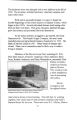
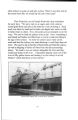
| Show Was the basin suitable for the settlement and support ofhuman population The early Mormons after reaching the Salt Lake Valley in 1847 soon became curious of what the next valley was like Scouts were sent out to explore The Sanpitch River Basin in central Utah was discovered Its suitability for settlement was declared favorable but only by stalwart energetic immigrants from northern Europe who had experience with cool climates and adversity Families from Denmark Norway Sweden and England were encouraged to settle in the Sanpitch Basin The entire valley was considered available for distribution in farm style according to church guidelines Allotments were distributed in relation to natural features of the terrain and in accordance to the interest of the settlers who had established squatterrights Some settlers had no choice The alluvial fans at the out-flow of perennial streams were preferred Settlements developed at Milburn Fairview Mt Pleasant Spring City Moroni Fountain Green Chester Ephraim Manti Sterling and Mayfield Many areas were claimed that were unsuited for agriculture either by irrigation or dry farming Many areas so patented would not have qualified for acquisition and settlement under the federal homestead laws The settlements had to be centralized and be particularly concerned about protection from the Indians who considered the settlements as an intrusion to their territory and their hunting grounds Fortresses were built in most of the settlements But there were some problems In one case according to report from old timers one married settler who had no children was accused captured and found guilty of molestingfair Indian maiden Penalty was administered by modifying his masculinity and he sinned no more He lived to an old age The settlement population prospered and grew The need for education was recognized and school houses as well as churches some in combination were built Snow Academy in 128 |