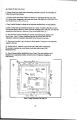
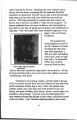
| Show The elevation of the Sanpitch Basin ranged from about900 feet at its southern boundary the Sevier River to over 11 000 feet above sea level at its northern and eastern origin at the summit of the Wasatch Plateau Its total area is about200 square miles or 800 000 acres The area was not covered by cadastral surveys townships sections until after 1900 Some areas in the national forest are still not surveyed Good aerial photographs now provide the basic information to facilitate resource management See map inside front cover The native vegetation which is determined by climate temperature precipitation soil characteristics slope elevation and exposure to sunlight is naturally varied Sedges rushes and grasses were in the swamp areas Sage brush and other shrubs and grasses occupied the well-drained fertile alluvial soils Pinion pine and Utah juniper flourished on the lower hills and Grambel oak willow cottonwood and scrub maple were on the intermediate drainages hills and flats Quaking aspen and coniferous forests occupied upper elevations timber line Some of the highest peaks are above The climate varies with the elevations The low valley has about sixty continuous frost-free days during June July August and September Summer temperatures may reach 100 degrees with winter temperatures falling as low as twenty degrees below zero The average annual precipitation is about eleven inches with most of it coming as winter snow storms and lesser amounts from spring rains and summer thunderstorms Hail storms are not uncommon The Sanpitch River Basin apparently contains no significant mineral resource suitable for exploration under the mining and mineral leasing laws of the federal government Several limestone quarries near Ephraim were developed and operated 127 |