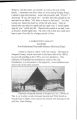
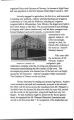
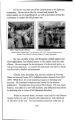
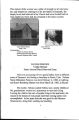
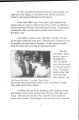
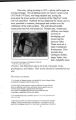
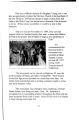
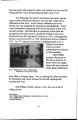
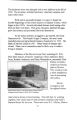
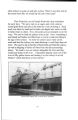
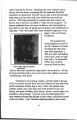
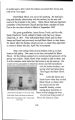
| Show An early Ephraim settler Augusta Dorius Stevens wrote of the third fort stone wall was constructed around the area where EphraimFirst Ward 10 South Main and the Ephraim Library 30 South Main now stands The walls were about nine feet high and constructed of limestone transported from the east mountains Gun slots were included along the top These provided lookouts and openings for guns to be used on attackers A gate was always locked and guards were always on the lookout for approaching Indians This wall wasplace of refuge for any townspeople onmomentnotice when they were warned by Minute Men who would sound an alarm bag with dried meat and baby clothes was available at all times This is the fort whose remnants piqued my interest in pioneer history The fourth fort was built on Guard Knoll hill approximately two miles east of Ephraim on the Canyon Road PioneerP Peterson recorded The fort was built on top of Guard Knoll for the purpose of standing guard when the Indians were on the warpath clear view of the valley was attained from its top The walls were nine feet high with large guarded gate and holes in the walls to shoot through An Indian confrontation that clamed the lives of seven Ephraim pioneers on 17 October 1868 reached its conclusion at the Guard Knoll Fort The Indians captured the pioneers livestock and herded them into the east mountains leaving some warriors behind to prevent the pioneers from regaining their animals William Thorp was slain plaque that recounts the events of that tragic day was placed onnearby site The warfare ceased except for sporadic attacks after Chief Black Hawk and pioneer leaders signed the Black Hawk Peace Treaty 19 August 1866 beneathjuniper tree in the present Pioneer Park West 100 North stone monument bearsplaque relating the events that led to the historical monument 13 |