| OCR Text |
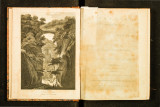
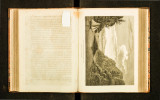
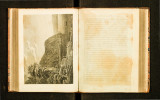
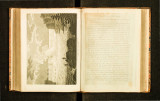
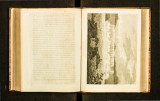
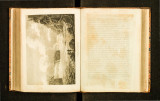
Show ~o6 TRAVELS TLROUGII LOWER CANADA: '"hole way to t I1 c S t. I ,awt.e, nc , a• n\ in v.uious 11arts of it. littk fummer~ hou r 1 b . .o. ·d c:1ch of which commands a v tcw of the fall . 1es 1ave een eteuc , · . _ There is a.1lo a fnmm r-houfc, fituatcd !learly at the top of the 1all, hang~ illg dirceUy over the pn:ct·p l·c :c, i.o t 1l at 'f t 111 •t \vcrc Jro}1pcd from J a )~ c . •. . l · d ·t , ·ould ddccml in a JX;rocndJctdar lwe at lc.tft tv.o t1C Will OIV, 1 \ I . hundred feet. 'I his houfc is fupported by larr,c beams. of umber, fixed into th fides of the charm, and in order l l) fd to 1t you h~vc f: r . 1 fl. lto p.1 s over 1CV.Cl a 1g 1ts of fte11s , a< nd one or t• wo w• ooden g.tl•l en s, whJCh arc fupported in the lame manner. The new frot~ h~ncc IS _tre-men e] ouun y gran d . It is faid , tlY· tt the beams wb rcon tillS ltttle edifice is ercclcd arc in a fiatc of decay, and many pcrfuns arc fearful of en- ten.n g 1·1 1 t o 1·t , ld· l: th y !hould give wa• y·' but being ignoran. t of • the danoer if indc d there was any, our whole party ventured mto 1t at one~, ~nd fiaid 1 her a conlldcrablc time. notwitbfbnding its tremulo~s motion at every ficp we trod. That the beams ca11110t !aft for ever 1S c rt:1in; it would be a wif<.: meafurc, therefo re, to have them rcmov:d or repair d in proper time, for as long as they remain ~anding, perfons will be found that will v nture illt the nnflcady fabnck they .fi1pport, and fhould they give w:q at a moment when any pcrfons are in it, the atafl:wpbe mufl. inevitably b~.; fatal. The fall in the River Chandicre is not half chc height of that of the Montmoren i, but then it is no kC than, t\-vo hundred and fifty feet in breadth. Tbe {i cncry round this cataraCt is mu .h fuperior in every rcfp Ct to that in the neighbo 1rhood of the Montm t·cnci. Conti ouou to the latter there arc few trees of any great magnitu k, and notl~ ng is ncar it to relieve th~,: cye; you 1 ave the f:tiJ, and nought but the fall, to contem pbtc . The b.tnks of La Chaudicrc, on the contrary, an~ cove.recl with tree of the hrgeO: g;rowth, and amidfl. the piles of broken \ 0\..J" S, which Ee fcatttn:d about the pbce, you have rome of the wildcfl: and moft romantic view · imaginable. As for the ftll itidf, its grandeur varies with thL 1\:afon. V hen th•; t ivl r io full, a body of water comes rnfhing ovu· the rocks of thc precipice, that afioni!h s the beholder; IJ tt in dry weather, a11d inJe .d durinci the greater part of the fummer, · ~ m:q f;ty, the quantity of wat ·r is but trifling. At this fcafon there arc C 0 N S T I T U T I 0 N. nrc few but what would prefer the falls of the Montmorenci River, and I am tempted to imagine that, upon the whole, the generality of people would give: it the preference at all times. LETTER XXVr Of the Coriflitution, Government, L tl'Ws, and Religion if the Prov1izces if Upjm-· and L'Jwer Canada.-Fjlimate if the ExpCt!fls qf the Civil Lijl, of the Mtlitary Ejlablij!Jmc·nt, and the Pre.fents to the Indians.-Sal1ries o/ certai!l Qfjicers of the Cro'T.em.-Imports and ExjJorts.-Taxes. ~c i.Jcc, FROM the time that Canada w:1s ceded to Great Britain until the year 177 i~' the internal affairs of the province were regulated by the ordimnce of. the governor alone. In purfLlancc of the ~ebec Bill, which was then paffed, a lcgi!lative council was appointed by his Majcfly in the country; the nLJmber of members \"-'as limited to twenty-three. This council had full power to mal c all fuch ordinances a'nd regulations as were thought expedient for the welfare of the province; but it was prohibited from levying any taxes, except for the purpofc of making roads, rcp<'.iring public bui1ciings, or the like. Every ordinance was to be lJ.id before the governor, for his Majcflfs approbation, within fix months from the time it was p:1.lled, and no ordinance, impofing a great<.:r puni!hment on any pcrfon or perfons than a fine, or imprifonmcr:t for three ll10nths, was valid without his Majefly's aOcnt, firrnified to the council by the governor. Thus were the affairs of the provin:c regulated until the y..:ar 179r, when an .u~t wa }Xlficd in the Britiih p.:trltamcilt, repe.1ling fu much of the ~ch ·c Di l as related to the appoint.nent of a council, and to the power that had been granted to it; :1nd which cfi.,lblilhed the prefcnt form of gov Tnmeut. The |