| OCR Text |
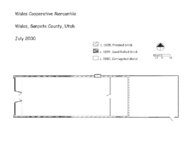
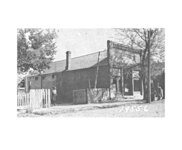
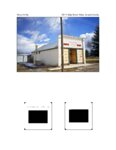
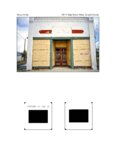
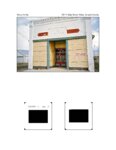
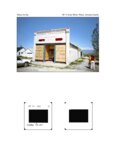
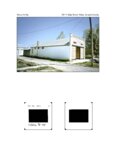
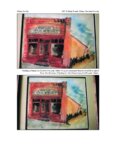
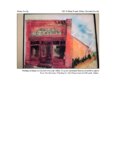
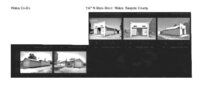
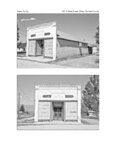
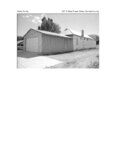
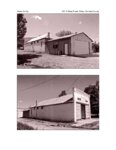
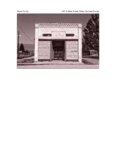
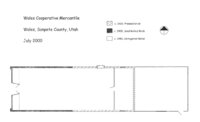
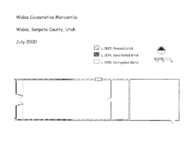
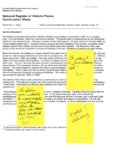
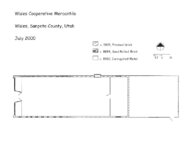
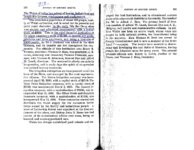
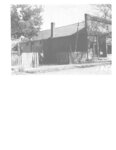
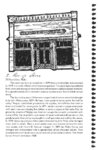
Show THE COMMUNITIES OF SANPETE } \ 415 were employed in the mines, and Wales reached its all-time, though short-lived population peak of more than 600. Eventually the ~nes proved unprofitable, however, as better quality coal was found and purchased in other locations. Finally the mines were dosed and the families of the original settlers were left to farm. Two irrigation companies were formed in 1889 and many improvements were made, including the digging of a reservoir in 1898. After reaching a population of more than 400 in 1900 and 1910, the hamlet slowly declined in size each decade thereafter until a modest growth spurt corresponding to a countywide resurgence started in the 1970s. Like Sanpete's other Mormon town, the LOS church and its various organizations were developed as the population increased. In 1868 Wales created a branch of the church. A ward was formed in Wales in conjunction with the creation of the county's first stake. John E. Rees was the first bishop. Since the 1860s, a Sunday school and Relief Society had been active, with "Mutuals" coming in the mid-1870s. A new brick chapel was erected at a cost of $20,000 in 1946. It replaced a brick church built in 1892. A 28-by-70-foot Primary building was added to the church grounds in 1982, at which time the ward had 230 members. School was held first in the Common House and then in the town hall and homes. Soon a lumber schoolhouse was constructed, and in 1908 a fine, three-room schoolhouse was built of brick. It was used until 1956 when students where transported to Moroni. In about 1891, townspeople combined their funds and invested in a combined town and social hall, enlarged in 1904. An open-air dance hall was erected in 1939 thanks partially to the federal Works Progress Administration. The people of Wales were noticeably happy to have their road oiled for the first time in 1950. Due to its size and location, Wales has never been a commercial center. Still, it has maintained a few stores, the best remembered being the....co-op started in 18Z!. It operated until 1968. The present ~ant stor~, a one-story brick structure, dates from about 1894 when the Wales Co-op was enlarged and incorporated. The leaders of the cooperative established a creamery in 1900 which operated for many years before closing. More than fifty years after its initial settlement, ----- |