| OCR Text |
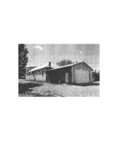
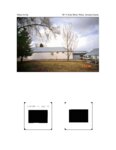
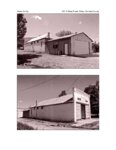
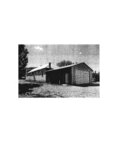
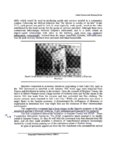
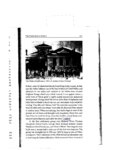
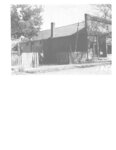
Show rv THE COMMUNITIES OF SANPETE 413 It '1- ilt T. u- ne or in In, rly .lfe 'ed ~ c vas .is. ley, ver ily, ICl- . It on, led \g's 91, iles ins. :'eat The Wales schoolhouse in 1912. (Courtesy oOane Thomas) Britain, some of whom had already been living in the county. In that year the Indian Tabiona, one of the four brothers of Chief Walker and claimant to the valley and canyons in the Wales area, showed Brigham Young a black rock which burned. It was ~o whites, a solid form of "black gold," a highly useful resource for industrial development. Young asked Welshmen John Rees of Ephraim and John Price of Manti to locate the coal and determine its potential for mining. They did, and Tabiona "sold" his coal-rich canyon for "a few head of cattle and some sheep." Soon after the Rees and Price started to surface mine. When not mining, they built dugouts west of the present site of Wales and brought their daughters, Betsy Rees and Ann Price, to cook for them. Soon the families joined them, constructed more dugouts, and called the place "Coalbed." In the first settlement group were Richard Price, Thomas Campbell, Daniel Lewis, George Muir, Richard Babbitt, Daniel Washburn David Hutcheson, and Moses Gifford. Their dugouts were built near a stream half a mile east of the first two dugouts. The group was strengthened in 1856 and 1859 by large parties of Welsh immigrants. The Coalbedders of the 1860s devised an alternative way of surviving the Indian difficulties which tormented them. Instead of |