| OCR Text |
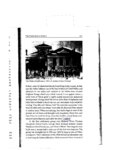
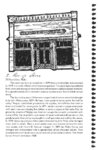
Show Utah Centennial History Suite skills which would be used in producing goods and services needed in a community context. Following the biblical principle that "the laborer is worthy of his hire" (Luke 10:7), each person was paid in cash or, more typically, trade goods, based on the value established by the local society for the goods or services provided. Although there were commercial interchanges between Sanpete's settlements, and to a lesser extent an import-export relationship with cities in the territory-, each town was relatively _ independent economically. Isolated from the larger Amencan economy, self-sufficiency was the goal of every Mormon town and most individual households. Manti's Sout Sanpeters responded to economic initiatives originating in Salt Lake City, such as the 1868 movement to establish a silk industry. Silk worm eggs were imported from France and distributed to towns in the territory. Upon the counsel of Brigham Young, the Saints in Mount Pleasant raised a large number of mulberry trees and fed the leaves to the worms. Silk was made from the cocoons and then converted into fine clothing. The excess cocoons were exported to Salt Lake City) While silk production was never a major factor in the Sanpete economy, it demonstrated the willingness of Mormons to experiment to determine how they might best use the resources of their intermountain environment. The cooperative movement had a lar e im act on e San ete economy in the late nineteenth an ear twentieth centuries. Eve settlem nt artici ated In e en eavor. The first cooperatIve mercantile institution in Sanpete County was -ZIOns Cooperative Mercantile Institution. The ZCMI cooperative stores seemed to be ideally suited to Sanpete County, for they fit well with the communal tone that characterized life there, and yet they made available a diversity of manufactured products increasingly desired by a rural society passing out of the subsistence phase of frontier living. In spite of persistent opposition from the few merchants who antedated the arrival Copyright Historical Views, 19992 |