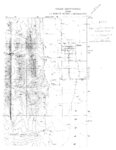
| OCR Text |
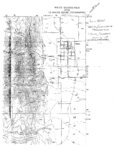
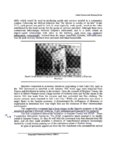
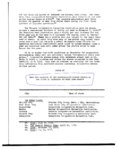
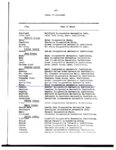
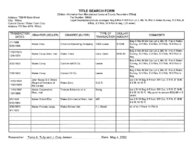
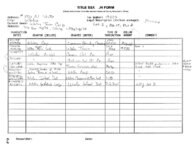
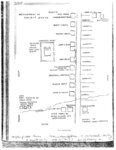
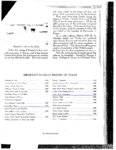
Show -69Table IV ~ives the names of one hundred forty-six voluntary local oooperative meroantile associations. These stores were located in twenty-four different oounties and distributed in one hundred twenty-six towns and 01 ties in the utah Territory. Besides these small looal cooperative stores there was located in Salt Lake City, Zion's Cooperative Meroantile Institution. This parent institution had branch vrllolesale houses in Lo gan, Odgen, and Frovo, Utah, as shown in the table. This made a total of one. hundred fifty oooperative stores in the Torritory. Salt Lake City alone had sixteen such stores in as many wards. In add! tion of these, Zion's Co-operative Mercantile Institution, it will be remem.bered, had entered the .field of retailing . So the Saints in Salt Lake City did not v~t for Mor~on stores as they had in the earlier days. The Latter-day Saints Vlere now in a position to oontrol the trade throu ghout the entire length oC the Territory, as the cities mentioned in Table IV reaohed from the l~orthern to the Southern boundary ot Utah. Figure 1 shows the location of these stores. As the map indioates, these stores were numerous in a comparatively narrow strip of territory running trom east to west. HoweTer, the sottle. ments in these parts of the state, even today. are Tery meagre and are of Q more recent date than the period under discussion •. A system such as the Latter-day Saints had worked out i8 unique. In fact it had nuw.y of the advantflges of the present chain stores. Zion.s Co-operative Meroantile Institution did not own stook in any of these retail stores throughout tho Territory, yet it received the businose from all the associations. These stores were following the counsel which Brigham Young had given to tho Saints as a whole, that they trade only with Mormonaesooiationa. Nevertheless some c~mplaints were heard among the Mormons regarding the consolidation of all the retailing and wholesaling in the oooperatl va stores .'!'hese came, naturally, from t he merchants who found it impossible to compote with the cooperative assooiations. Bri gham Young had expected this very thingJ in faot he was in favor of decreasiIl{'; the num.be r of inaividually owned me rohandi sing concerns. Production was still of major importanoe to him. This is olearly indicated by the follovdng statement, nAs to these little traders, we are going to shut them off. rle feel a little sorry for them. Some of them have but just commenced their tradinG operations, and t hey l\~ant to keep them up. They have made, perhaps, a few hundred dollars, and t,."l.ey would like to continue so as to make a few thousand dollars J and then they would want scores of thoustlLl'lds, and then hundreds of thousands. Inst ead of' trading we want them to go into other branches of business. Do you say, what business? ~Vhy I some of them may go to t:aising broom oorn to supply the Territory with brool'!'-s, instead of bringing: them in from the States. Others may go to raisine sugar cane, and thu.s supply the Terri tory wi th a good sweet; we have to send to the states for our sugar nOVh We will get some more of them to r;ather up hides and I'lruce |