| OCR Text |
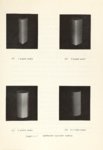
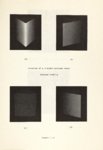
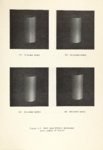
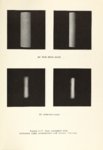
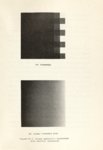
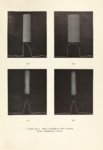
Show 19 is facing edge, the the and direction of the the shade changes continously highlight position follows perpendicular highlight 1.11 b. the on However, to the of shade on the along In edge. the uniform is very low polygon This polygons just disappear during as on turning, no the allover the becomes prism In this position, there is light. !.llc. Figure is highlight of frame, the highlight starts to reappear shown when some of the face one shade is the on the both sides of the on until edge cylinder, because the intensity as the the direction of the In the next the· face light (see Figure 1.11a) more polygon. shown of the Figure of side the other discontinuity becomes distracting frame and show up in the one next one. research in Any . new computer-generated images visual perception, Therefore respectively. restricted solutions implementation The can new be the are shading model accomplished parameter presented. of discussing to psychophysics their and optics devoted to proposed are for a appendices give information reflection laws and physics of problems. these two the apply of shading producing problems, theory to the The fourth and fifth sections describe a. shortcomings of the present shading techniques just methods to correct for the non pictures are computer graphics. overcomes The discussed. specular Compromise of for algorithms physical sections next world method which as two the and must take into account the well as models for a is enough simple that so hardware a real-time display system. the on set linearity of the experiments of sample film in to determine materials. the In the addition, computer -gener ated |