| OCR Text |
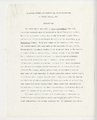
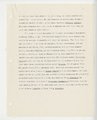
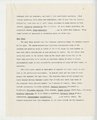
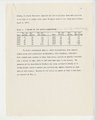
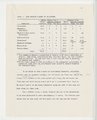
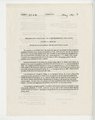
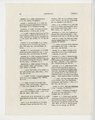
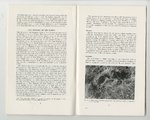
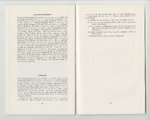
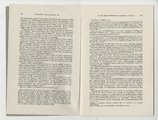
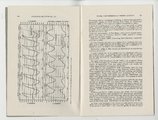
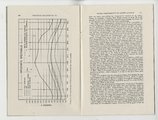
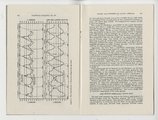
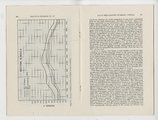
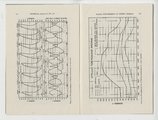
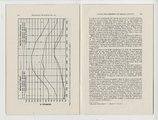
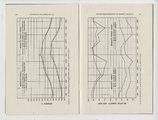
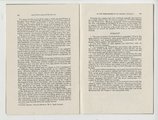
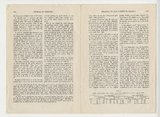
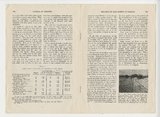
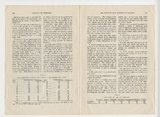
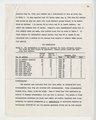
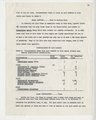
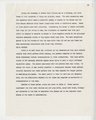
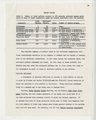
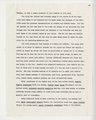
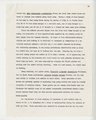
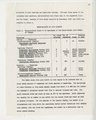
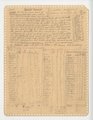
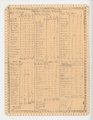
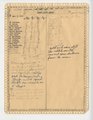
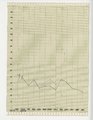
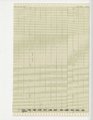
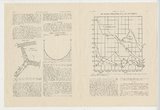
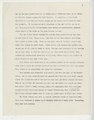
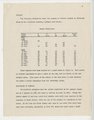
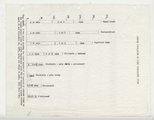
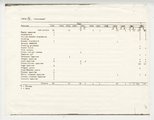
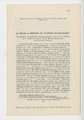
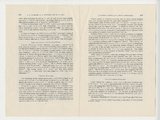
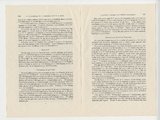
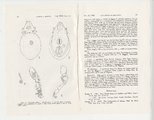
Show w '0 °' ‘3' " ‘° "' ° "' "' in any form, for years and thrive on dry grain without water or moisture record for the same species. ' Hall and Linsdale (1939) discussing Microdipodops megacephalus, say (p. 302) : I / I I2," , /2///w\ A captive animal kept for five months took any commercial seed (oats, rye, barley or vetch) in preference to green material, such' as cabbage, Figure 1.-The microclimate of Dipodomys spectabilis for one week. 20 ~¢\/ /2/‘»'1 I I2/M \ \LL\/ n I 30 O 0 0 0 W‘W \. W \//HI I /\ (I \/\/ (I \l XI O 90 II III '.-I $338930 Hawbecker (1940, p. 393) records an observation on Dipodomys venustus as follows: , < I \ I / s have been To judge from the arid character of places where specimen availtaken, it seems improbable that the kangaroo mice need a regularly six able supply of water. Furthermore, the individual kept in captivity for months was given no water or even succulent food. l I 50 60 0 0 0 ' I O 0 OQON ':I 5338930 (This was, presumably, in San Diego, with a more humid atmosphere than that of Arizona.) Howell (1935) reports a similar 12/ M Q but this one certainly did. J \/\ --MONDAYW-quz/somvwaonesonv -Y- THURSDAYT FRIDAYw- SATURDAY I 172/!" I 12/»! I IMA I I 20 I40 :50 I \ IL/ iT I2/M \\\ RELATIVE HUMIDITY g AIR TEMPERATURE SUNDAY I let, /2\M \/ I \ I / I / I I //I' // I I/ I TEMPERATURE / A \/ / //I I/ I I I7" I". m / I7M l2/M SOIL SURFACE /7M MONDAY-\f-TUESDAYfl /- WEDN ESDAYfl r- THURSDAY-Y- I I / \\L I #4: ‘ ISO only dry barley water. During the last three years of its life I gave it can live dry Wheat and no water. It is a mystery to me how such an animal \ I \/ [A DEEP BURROW TEMPERATURE / T 2 not touch It would eat no green plants or roots that I gave it and would or f. \ O '0 Stephens (1906, p. 171) says of a captive Perognathus fallax: K TEMPERATURE l I N \ /' ' § ' II / //l I/ I 17 SHALLOW aunaow I - _ remarkable ability to ex1st Wlthout free water or succulence. [m lo g o o o o o o o o I0 '/2M- :60 2 z 3 3 S 8 g g g o o 497 November was in a weakened condition, it surely demonstrated a mag BBd-AuomnH 3,""138 '5 $338930 o o FRIDAYV SATURDAYT SUNDAY-V-MONDAY- WATER REQUIREMENTS OF DESERT ANIMALS TECHNICAL BULLETIN NO. 107 496 put lettuce, grass, or root vegetables. This same animal did not use water green into the cage, but lived for months without using either water or food material. We agree with Howell and Gersh (1935, p. 2) in saying "Some of the Heteromyidae are probably able to withstand a greater degree of desiccation than any other animal, but within the family there is much variation in this ability." The author's first experiences with spectabilis, when he was neW'to the country and trying to trap whatever animal lived in those conspicuous mounds, bear out all cage feedings and storage examinations. Traps were baited with succulent bits of sweet potato, carrot, turnip, and apple, but not ‘one Dipodomys was taken with those baits nor a bait destroyed. The animal is easily trapped with dry oatmeal bait. One of the most remarkable habits connected with the dry-food storage of kangaroo rats was discovered by Shaw (1934). He found that the giant kangaroo rat, Dipodomys ingens, uses an extensive series of small surface pits in the neighborhood of its den for the purpose of drying collected food materials preparatory to storing. Could anything better illustrate its preference for dry food? Vorhies and Taylor (1922) showed (pp. 18-28) that the stored foods of the banner-tailed kangaroo rat, Dipodomys spectabilis, are almost exclusively air-dry materials, although some succulent food is eaten at special seasons. No effort was made, nor does it seem feasible, to determine the precise proportions of succulent and air-dry foods used. Discussing this the authors say (p. 25) : At times, more especially in the seasons of active growth, some of the green and succulent portions of plants are eaten. This was very noticeable in the spring of 1919, when a most luxuriant growth of Mexican poppy |