| OCR Text |
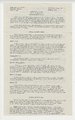
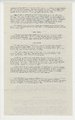
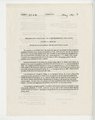
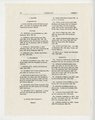
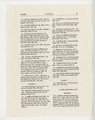
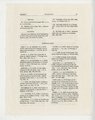
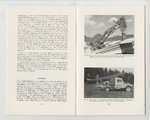
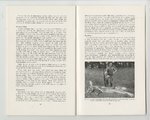
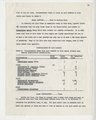
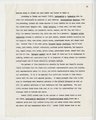
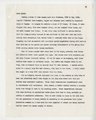
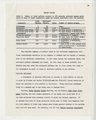
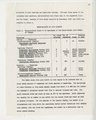
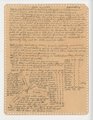
Show opening should be 4/64 in. on multiple nozzle brooms, and 5/64 in. on guns equipped with only one or two.nozzles. Hold nozzles within 12 inches of the animals back. Use one gallon of spray per animal. High pressure Sprayers drive the chemical beneath the hair and scabs and into the cysts, killing the grubs. Dust--A dust is preferred by many dairymen and by owners of small herds. Busts are good to use in cold weather or to treat infested animals at any convenient time. The dust usually can be purchased ready mixed. It should consist of one part of 5 per cent rotenone-bearing ground root to each two parts of pyrophyl- lite or tripoli earth. At least three ounces of dust should be applied to the animal's back. Use a shaker with coarse openings. Thoroughly rub the powder into hair and cyst openings using a rotary motion of the fingertips. , For animals going on the range before full treatment can be applied, much benefit can be expected from tWO properly timed and well applied control treatments 35 to 40 days apart. AREA CONTROL Well organized cattle grub control programs result in greatest benefits. there possible, treat all cattle in a valley, grazing area, or county; treat regularily and effectively. Area control cuts down the amount of infestation. It also reduces spring and summer annoyance by the troublesome heel flies. LIFE HISTORY The adult heel flies and bomb flies emerge from matured grubs (puparia),‘ .during Spring and early summer. These flies do not actually sting or bite, ' . however they do terrorize the cattle. The'female flies cement their eggs to_the hairs on the legs and lower body parts of cattle. Small maggots hatch in three or four days. Each newly hatched maggot crawls to the base of the hair, then burrows inward through'the skin. causes inflammation about each area of penetration. This During the several months spent inside the infested animals, the maggots crawl up through the leg muscles, through the abdominal and chest cavities, eventually reaching the esopagus for the heel fly larvae, and the neural canal with the bomb fly larvae. During winter and early spring, they move to the bacflc of the animal. Each grub settles in the back and forms a cyst; it also cuts a breathing and :mergene hole through the hide. . After a month or two in'the cow's back, the fullgrown grub squirms througgh thetxreathing hole, falls to the ground; and soon changes to a pupa. A fast-flgy- ing adult bomb fly or a heel fly emerges a few weeks later. A few to several hundred grubs may mature in the back of a single animal. 'Calves are usually more heavily infested with cattle grubs than older animals. -Utah State University Extension Service Carl Frischknecht, Director CoOperative Extension Work in Agriculture and Home Economics, Utah State University and U.S. Department of Agriculture, COOperating. Distributed in furtherance of the acts of Congress of May 8 and June 30, 1914. |