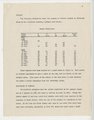
| OCR Text |
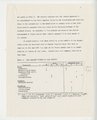
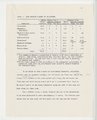
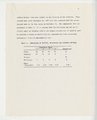
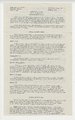
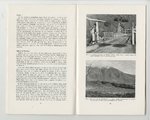
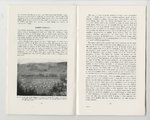
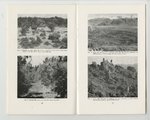
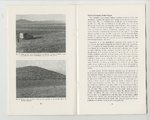
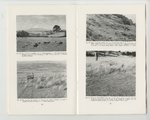
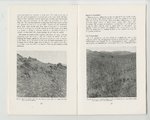
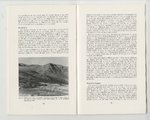
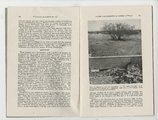
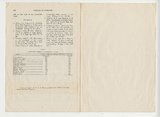
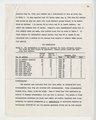
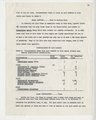
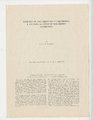
Show In certain areas around playa lakes and around the foot of slope drainages where extra runoff or aquifer seepage water is available, especially in saline soils, the common greasewood, Sarcobatus vermiculatus (Hook) Tbrr., takes possession as the principal dominant. Sometimes the inkweed, Suaeda torreyana Wats., occurs as a subdominant among the taller greasewoods. The general aspect gives the impression of tall widely spaced bushes of dark green color 4 to ft. in height and .spreading enough to provide considerable protection to rabbits and other small animals. Between the greasewood and shadscale vegetation types, there is in many places a broad ecotone of mixed vegetation so extensive as to be considered a different type of community. Here, the taller widely-spaced greasewood bushes ‘stand out in special clumps above the lower shadscale, gray molly, and inkweed shrubs. Animals associated with this vegetation usually include those associated with both greasewood and shadscale types. Jack rabbits find this habitat con- ducive to small sustained populations. Piedmonts The shadscale of the flats usually extends upward over the piedmonts and the foothill slopes but the gray molly drops out on the slopes and is replaced by bud where sagebrush, Artemisia spinescens D.C. Eaton, on those gentle piedmont slopes there is slight drainage and the clay soils are loamy. This is the preferred habitat of the chisel-toothed kangaroo rat, Dipodomys micrgps bonnevillei Goldman, and is also used sparsely by the antelope ground squirrel, Citellus leucurus Merriam, and the ubiquitous deer mouse. Foothills Above the piedmont, on the steeper slopes'of the foothills, where there is greater precipitation, better drainage, and soils are much more loamy, bud sagebrush diminishes but several other shrubs enter the competition, share |