| OCR Text |
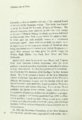
Show Ronald E. Clark man's or nature has the of going either way potential morally - immorally. The moral direction includes love of God, love of Jesus, and the many other virtues we could list for ourselves, and Channing concludes with these remarks: "But there is one branch of benevolence which I silence, because we think that ought we not to conceive of it pass over more in highly than many of our brethren. I refer to the duty of candor, charitable judgment, especially towards those who differ in religious opinion." Channing singled this out for and justly special all mention because he was familiar with the each one of men. He knew. as us experience that the greatest problem is the man The desire of those doomed of in religion for mankind who "knows" he has the "truth" and who somehow has obtained the power that "truth." was history knows, from personal to to force men to bow to Unitarians to promote tolerance We Unitarian Universalists are no early failure. different from others when the issue becomes an important Channing's time the issues related to Christian doctrine. Later they related to social action and to philosophical doctrine. Currently in our movement they relate to social action, drugs, long hair, hymns versus recorded music (meaning the "proper way" to worship), and each of you could make your own list. Nothing is so in who has found for man the search truth as the dangerous In one. it and settles upon it like a chicken warming an egg. One remember is that Channing was not some wild-eyed point radical. He was a graduate of Harvard and later a Regent to there before he entered the well this thought out and he parish ministry. was His ideas were 39 years old when he delivered sermon. In a month I'll discuss Emerson and his Divinity School 333 |