| OCR Text |
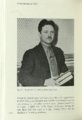
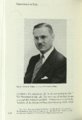
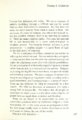
Show Edwin H. Wilson actually worked a as ness largely in in Unitarian way of we perceive its fruitful Certain Christians, religious the New England Congregational churches, found themselves association. increasingly dissatisfied The doctrine of vimsm. history, a with their inherited Cal God who, because men and right faith, would send them to hell, they lived, the miracles and myths of regardless the Old and New Testaments, the gloomy otherworldliness, the beliefs in original sin and infant damnation of Calvinism shocked both reason and moral conscience. Ministers began to preach more liberal doctrine. New influences in the latter women lacked the of the life part of the 18th century were penetrating the Christian consciousness. Out of the continental a "Enlightenment" came Rationalism that made Reason supreme. Democratic faith common man revived in Christendom a spirit akin to in the the of Jesus for the abundant life for human concern the here and in time to view achieve now. a vast Science was prospering beings was in prestige before which the old world yield among thoughtful people to a orthodoxy encountered in this trend was was to What and new vision. the pioneer temperament, the democratic faith, and the scientific spirit. Ellery Channing in a famous sermon delivered in Baltimore in 1819, crystallized these trends. The conservative minorities in many congregations departed, leaving the William liberals fortunately churches. Bearing situated with Freedom" of the finest old Channing's warning that they they would shun hell" [sermon preached on 26 May 1830], our chur in mind should "shun sectarianism "Spiritual some as day are not a sect as are churches which insist We do not the dogmatic beliefs of outworn creeds. impose the dead thoughts of the past upon our members. We hold that all creeds, as statements of required faith by which people are included or excluded from a church are ches to this on 269 |