| OCR Text |
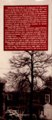
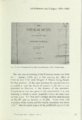
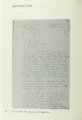
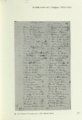
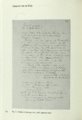
Show Jacob Trapp intention of those who had this document signed to quarrel with else. anybody II "With good it reason, continued, "many pious people complain that the various confessions and catechisms which have hitherto been published and which the different churches are now publishing all try to to are of discord among the Christians because apples impose certain consider those who Thereupon principles upon people's conscience disagree with them as heretics. they and II it denied in the most formal way that it intention of the Socinians to proscribe or was the oppress anyone else on of his religious convictions, and turning to humanity in general, it made the following appeal: "Let each one be free to judge of his own religion, for this is the rule set forth by the New Testament and by the example of the earliest church. Who are we, miserable people, that we should smother and extinguish in others the fire of divine spirit which God has kindled in them? Have any of us a monopoly of the knowledge of the Holy Scriptures? Why do we not remember that our only master is Jesus Christ and that we are all brothers and that account to no one be that has been one of given over power the souls of others? It may learned than the others, yet in and the relationship with Christ we are all equal. our brothers is more II regard That to liberty noble utterance, and Van Loon puts it mildly when he goes on to speak of it as 300 years ahead of its was a Unity amid diversity, democracy in religion (in regard to liberty and the relationship with Christ we are all equal), a unity of spirit in the seeking and practicing of good rather than a formal and imposed unity of dogma and creed, were times. Unitarian Socinianism, or fluential movement when there not either himself period There in Poland. was not a Poland became that of its inception. Unitarianism, became a strong and in from the principles a Single came a time, it is said, nobleman in Poland who Unitarian or ravaged by wars, unhappy country has been. related as to one. was But then from time immemorial The Catholics began a counter-reformation, turning loose veritable hordes of Iesuit father [s] upon their lost provinces, and gaining support from 257 |