| OCR Text |
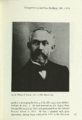
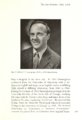
Show Jacob Trapp of conformity and tradition" in the 17th century. in his John Locke, writings "Reasonableness of Christianity" side, as even known Toleration and in his on ranged himself on did the famous scientist Isaac Newton in which he chose yet, That was Milton [Areopagitica]. to publish anonymously. the writings safe, as It wasn't for the famous and illustrious of those times, as Unitarians. same Organized beginnings in to England be date from about 1 773, when Theophilus Lindsey, on the failure of the petition for relieving clergymen "from the burden of subscribing to the in Yorkshire and thirty-nine articles," resigned his "living gathered the first professedly Unitarian church in London." Joseph Priestley, It about that was scientist, same time that Dr. forever famous clergyman, the as his discoverer of oxygen, was driven from his home his of of his homes scores and the parsonage, laboratory, - parishioners having been burned to Dr. Priestley elected to go to America, the Philadelphia in 1796. mobs. where he founded Unitarian churches, at Northumberland, 1794 and at ground by two Pennsylvania, in Near the end of the 18th definitely organized force in religious England, many Presbyterian congrega tions, whose chapel trust deeds allowed freedom of theologi cal opinion, having followed their ministers in joining the Unitarian movement inaugurated by Dr. Lindsey. In 1844, nearly halfway into the enlightened 19th century, all civil disabilities which Unitarians had suffered in England were removed. It was from England that Unitarian thought and century Unitarianism became the life of influence came to Unitarians have this or generation America. never had have never that doctrine. to a creed, in the sense of an official human belief compel changed from generation, through growing thought, and as theology. They to a sought to Their views have 261 |