| OCR Text |
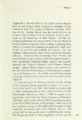
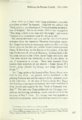
Show John Malick we shall range the whole field of human thought, to the very limit of our power of endurance, for any and every contribution to the problems and destiny of life. One who can think of demand that group of live men and women every seventh day and have time for side lines has a strange intellectual meeting a and make-up, demands of his Besides tion, one certainly job. does presenting the becomes more not merits and feel the of to philosophy express it. of the new This is and life-giving proposi conscious of the great science, social conscience and is not able inarticulate world which has absorbed the our more possibilities especially some of the new true in our western work. large group expresses satisfaction at hearing their own language made articulate in the pulpit! Pleased both because they have thought so far and the pulpit will express so much. This is one of the satisfactions of pulpit work and What a hearts' a of inspiration. "The lowest hind should hope, a fear, but I'd be by him, saying better constant source not possess a than he knew, his own heart's language." Our work is opportune. The story of our humanity has just come out. Our virtues and our vices are shown to be a part of the story, striking their roots, too, in a long past. The theological basis for morality has slipped away. New incentives place, shorn of myth and legend both and rewards must fill the for incentive and embellishment. The wavering habits of our are shown to be the rivalry between the old habits of an life qualities of life, new and not yet fixed. Men, as we are told, are looking for the arrival of that new brother who can hold them steadily to a truth until they make it their own, until, by habit, they shall be chained to the new with the freedom of the good. animal ancestry and the new I live in the office and in the street where these old habits of the race control. I become convinced that idealism is just 239 |