| OCR Text |
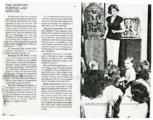
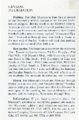
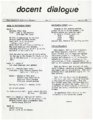
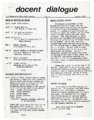
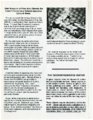
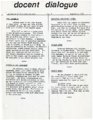
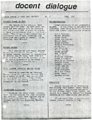
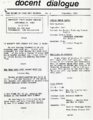
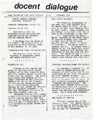
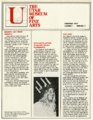
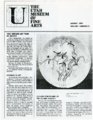
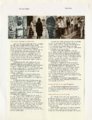
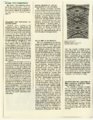
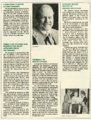
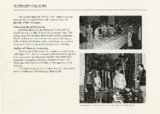
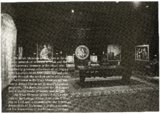
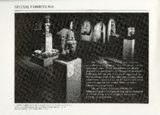
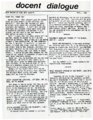
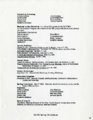
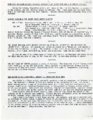
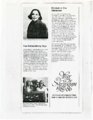
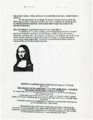
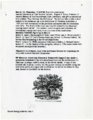
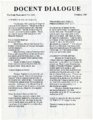
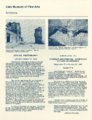
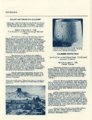
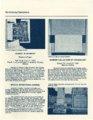
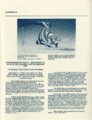
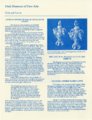
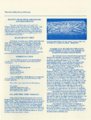
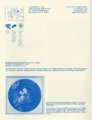
Show Exhibitions f p\ .. '!Ii' Dance Ornament "Mouthpiece" Melanesia, Northern New Ireland 50 cm long from the exhibit, Expressions of Belief During the performance of certain traditional dances, small carved and painted animal figures are carried in the dancer's mouth as decoration. EXPRESSIONS OF BELIEF: MASTERPIECES OF AFRICAN, OCEANIC AND INDONESIAN ART The Museum Voor Volkenkunde, Rotterdam December 18, 1988 to February 26, 1989 The Herbert I. and Elsa Bamberger Michael Gallery and the E. Parry and Peggy Chatterton Thomas Gallery This exhibit features 100 masterpieces from one of the world's premier ethnological museums. Ethnological museums are primarily concerned with collecting material evidence of diverse human cultures; however, this exhibit extends the relatively current interest in regarding selected tribal art if acts as works of art. Suzanne Greub, of the Tribal Art Center, Basel has handpicked these art objects for their aesthetic merits and has organized the exhibit to illuminate the unique aesthetics of tribal art. Modern art has prepared museum visitors, visual- ly, for an aesthetic approach towards artifacts from Africa, Oceania and Indonesia. Western art styles such as Fauvism, Cubism and Expressionism, created before World War I, drew partial inspiration from the look of tribal art. More importantly, Modern Art has allowed an aesthetic appreciation which is no longer dependent on the concepts of imitating or surpassing Nature and striving for Beauty. Masterpieces of Modern Art have focused on the horrors of war, the grotesque, the subconscious, the psychological, the scientific, and the political aspects of Western culture. Just as the understanding of Modern Art is dependent on knowledge of the history, scientific discoveries, and culture of the Modern era, an understanding of tribal art is dependent on an understanding of their mythical, magical and social context. Tribal art objects are fragments of a much more complex art which includes rituals, ceremonies, disguise, movement, rhythm, and sound. These larger rituals are messages to beings, living or dead, natural or supernatural and the message is embodied in the particular form of the art object. The artisan's products for ceremonial or ordinary use are not merely embellished, inanimate objects. They should be understood to exist as active messages. The Museum Voor Volkenkunde in Rotterdam was established in 1885. Diplomatic, commercial and missionary networks established between the Netherlands and other parts of the world resulted in a flow of material from around the world. Dutch-African trading companies supJ2lied fine specimens of African sculpture from West Africa, Congo and East Africa. The Museum was also supported by government officials and the Dutch Protestant Mission Society, operating in the then Dutch East Indies. From these early beginnings the museum has developed into one of the primary ethnological museums in the world. This exhibiton was organized by the Tribal Art Centre, Basel, Switzerland. |